Online MBA programs have grown fast in the last few years, with fresh tech, industry-fueled coursework, and flexible setups making advanced business education more accessible than ever. If you’re considering a management job, a promotion, or thinking about starting your own business, picking the right online MBA in 2026 can have a huge impact on your path. With so many options out there and real differences between programs, I’m here to break down what you need to know to choose the best online MBA, what to expect, and how to spot the ones that deliver solid value.
What Makes an Online MBA Program Stand Out?
Online MBA programs have seriously stepped up from where they started. In earlier days, a lot of employers barely noticed them. Today, though, they understand that a strong online MBA means putting in real work, building advanced skills, and picking up business knowledge on par with in-person degrees. Leading publications like U.S. News and World Report and QS now rank online programs from big names like Carnegie Mellon and Indiana University, pointing to major changes in the world of business education. If you’re on the hunt for the best 2026 online MBA, here’s what I especially look for:
- Accreditation: Look for AACSB, EQUIS, and AMBA approval. This means the program meets global quality standards and is recognized by employers everywhere.
- Live Interaction: Top programs go beyond recorded lectures with live classes and online meetups to help you connect with instructors and classmates.
- Career Support: Great online MBAs offer career coaching, mentorship, and strong alumni networks you can actually tap into for your job search or promotions.
- Flexible Learning: If you’re working full time, search for selfpaced classes or schedules outside office hours. Flexibility is key to balancing work and studies.
- Global Focus: Bonus points if the program includes international projects or global immersion segments, which can help if you’re eyeing a career abroad.
- Reputation: Brand recognition and good rankings still count if you’re aiming for competitive roles or industries.
Schools like Wharton, University of Illinois (iMBA), and Warwick Business School have set the example, blending strong academic content with digital delivery. With the ongoing digital shift, more programs now offer immersive simulations, team projects online, and even virtual internships. These features help working professionals build relevant experience and balance their busy schedules. The reality is, the digital side of these programs is not only a necessity but a big plus for today’s workforce, where remote collaboration and tech skills matter more than ever.
Key Factors to Consider When Choosing an Online MBA in 2026
Finding the best fit for your online MBA is about knowing where you’re most likely to thrive. What works for someone else may not be your best match. Since an MBA is a big investment, smart research can save you time and money. I recommend looking closely at the following:
- Program Structure: Does the coursework and schedule line up with your goals (like entrepreneurship, finance, or marketing)? Hands-on projects, capstone assignments, and concentrations all help you get closer to your desired job.
- Tech Support and Platform: Make sure the online portal is easy to use, mobile friendly, and offers real troubleshooting support when you need it.
- Faculty Experience: The best programs have instructors with solid business backgrounds, including those who still work as business leaders or consultants. This real-world perspective makes learning much more valuable.
- Cost and ROI: Weigh total tuition, financial aid, and actual results—such as average pay raises or promotion rates. Compare these stats before making your choice.
- Flexibility: Can your studies adapt if your life changes? See whether you can pause or speed through your degree if needed.
Don’t forget to check out alumni testimonials, online reviews, and even sample courses or webinars. These resources give you a sense of what life as an online MBA student in the program is really like, day to day. Sometimes, sitting in on a webinar or open class can provide more insight than reading brochures alone.
My Picks for Top Online MBA Programs for 2026
Some schools always land on “best of” lists thanks to their strong reputation, ongoing updates, and real attention to digital learning. Here are my favorite programs to check out, based on global recognition, feedback from graduates, flexible setups, and innovation:
- Carnegie Mellon (Tepper School of Business): Eye-catching for analytics and data-driven roles, it offers frequent live classes and interactive projects for serious tech-driven talent.
- University of North Carolina (Kenan-Flagler): Stands out for leadership development, lots of electives, and opportunities for in-person immersion if you want to travel to campus.
- University of Illinois Urbana-Champaign (iMBA): Super affordable and made for global students, it mixes foundational learning with advanced peer projects to bring lessons to life.
- Indiana University (Kelley School of Business): Lots of specializations so you can custom fit your degree, plus it’s a popular pick among recruiters looking for business grads with flexible learning experience.
- Warwick Business School (UK): A global powerhouse, Warwick is a tech-forward, internationally minded program with plenty of networking opportunities and virtual teamwork.
- Arizona State University (W.P. Carey): Ranks well for student happiness, digital learning tools, and flexible scheduling, with a strong focus on delivering excellent outcomes for grads.
- IE Business School (Spain): Known for cooking up new ideas and focusing on entrepreneurship, with a diverse global community and interactive virtual classes.
Each program offers unique perks, so think carefully about your industry, learning style, and budget when choosing. No one program is perfect for everyone—consider your career goals and how each option fits into your life stage.
Common Roadblocks and How to Beat Them
Let’s be honest, getting your MBA online isn’t always smooth. Finding balance between work, family, and study takes real grit and planning. Here’s how I’ve seen people succeed when obstacles pop up:
- Isolation: When you miss out on inperson community, it’s easy to feel disconnected. Virtual study groups and optional immersion weekends (where available) help you build lasting friendships and networking contacts.
- Time Management: Balancing assignments and jobs means being strict about time. A rock-solid study plan, digital reminders, and regular breaks can make all the difference.
- Cost: A high price tag is a major hurdle, but many programs offer scholarships specifically for online learners, and cutting out commuting or moving costs can help.
- Tech Glitches: Problems like internet outages or platform hiccups aren’t rare. Having a backup device and a stable connection saves you headaches down the road.
Networking Concerns
One of the top worries about online MBAs is missing out on building connections and networks. In response, schools run online networking events, host virtual career fairs, and match up students with peer mentors. Group projects also make sure you get hands-on experience working with classmates even from far away.
International Students and Time Zones
If you live outside the US, make sure your MBA program features both live and “watch anytime” sessions. Programs that welcome global students usually have digital resources on tap 24/7, so nobody misses out due to different time zones—a lifesaver for international students.
How Tech Powers the Modern Online MBA
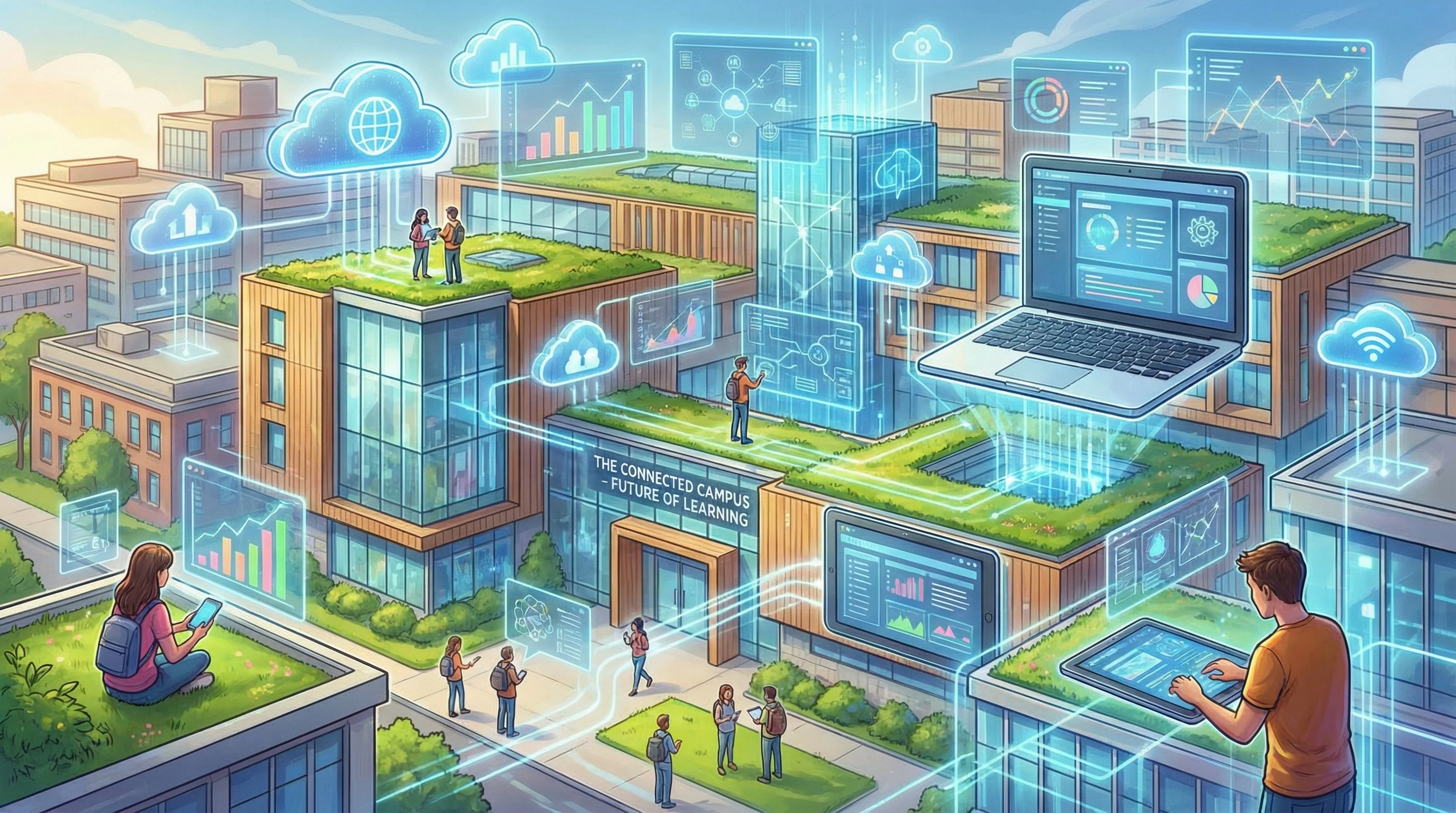
Technology has totally transformed online MBAs. Now you get much more than just watching recordings. Expect live classes, interactive discussions, real-time problem solving, and virtual labs where you can try out business ideas before applying them at work. Some programs even have dedicated apps that let you keep up with studies on your phone or tablet.
- Collaboration Tools: Apps like Slack, Microsoft Teams, and Zoom let students chat, share ideas, and team up on projects just like in a modern workplace.
- Digital Libraries: With resources like e-books, academic papers, and video case studies, doing research or prepping for presentations is smoother than ever.
- Simulation Labs: These virtual tools let you “run” businesses or tackle management scenarios, giving you practical experience in a risk-free way.
Real-life tools like these don’t just make your classes easier—they show future employers you’re comfortable with digital workflows and virtual communication. Learning to present online, work in remote teams, and think on your feet in digital environments is every bit as crucial as the curriculum itself. The focus on tech prepares you for what modern businesses expect from their leaders.
Frequently Asked Questions About Online MBAs
People considering online MBAs often want the inside scoop. Here are some common questions:
Q: Do employers actually value online MBAs?
A: More each year. If a program holds solid accreditation and comes from a recognized school, hiring managers care about your skills and what you know, not just if you sat in a traditional classroom.
Q: Can I specialize or choose electives with an online MBA?
A: Absolutely. Most leading programs allow for tracks in finance, marketing, entrepreneurship, analytics, and more—giving you even more options than some on-campus degrees.
Q: How long does it take to finish an online MBA?
A: Most run from 18 to 36 months, but you can often speed things up or slow it down to match your work and personal life.
Q: What kind of support do online MBA students get?
A: You’ll usually find career counseling, alumni networking events, solid tech help, active student communities, and even access to mental health services.
Q: Are there in-person requirements for online MBAs?
A: Some offer (or require) immersion weekends, short study trips, or workshops. These are optional for most, but if you want a taste of campus life, you can step in as you like.
Why an Online MBA in 2026 Is Worth a Look
Fact is, with all the pressures of work, family, and personal commitments, not everyone can pack up and move for a traditional MBA. Online MBAs in 2026 have closed the gap with campus programs in terms of learning quality, social connections, and opportunities. Picking the right program can set you up for life-changing career growth, a real pay boost, or spark your next big business venture. Focus on accreditation, the curriculum, and strong support so your investment pays off for your specific goals in the real world.
Whether you’re ready to level up at your current job, want to switch careers, or have your sights set on building something new, a top online MBA in 2026 is a realistic, flexible, and rewarding path forward.
Excellent breakdown of the online MBA landscape for 2026 clear, balanced, and very actionable.
I like how you pair prestige and rankings with practical realities like flexibility, ROI, and tech infrastructure.
The program comparisons plus the roadblock strategies make this useful for both early researchers and ready-to-apply professionals. A smart, credible guide for anyone serious about advancing their career through digital business education.
Thanks for you complement,