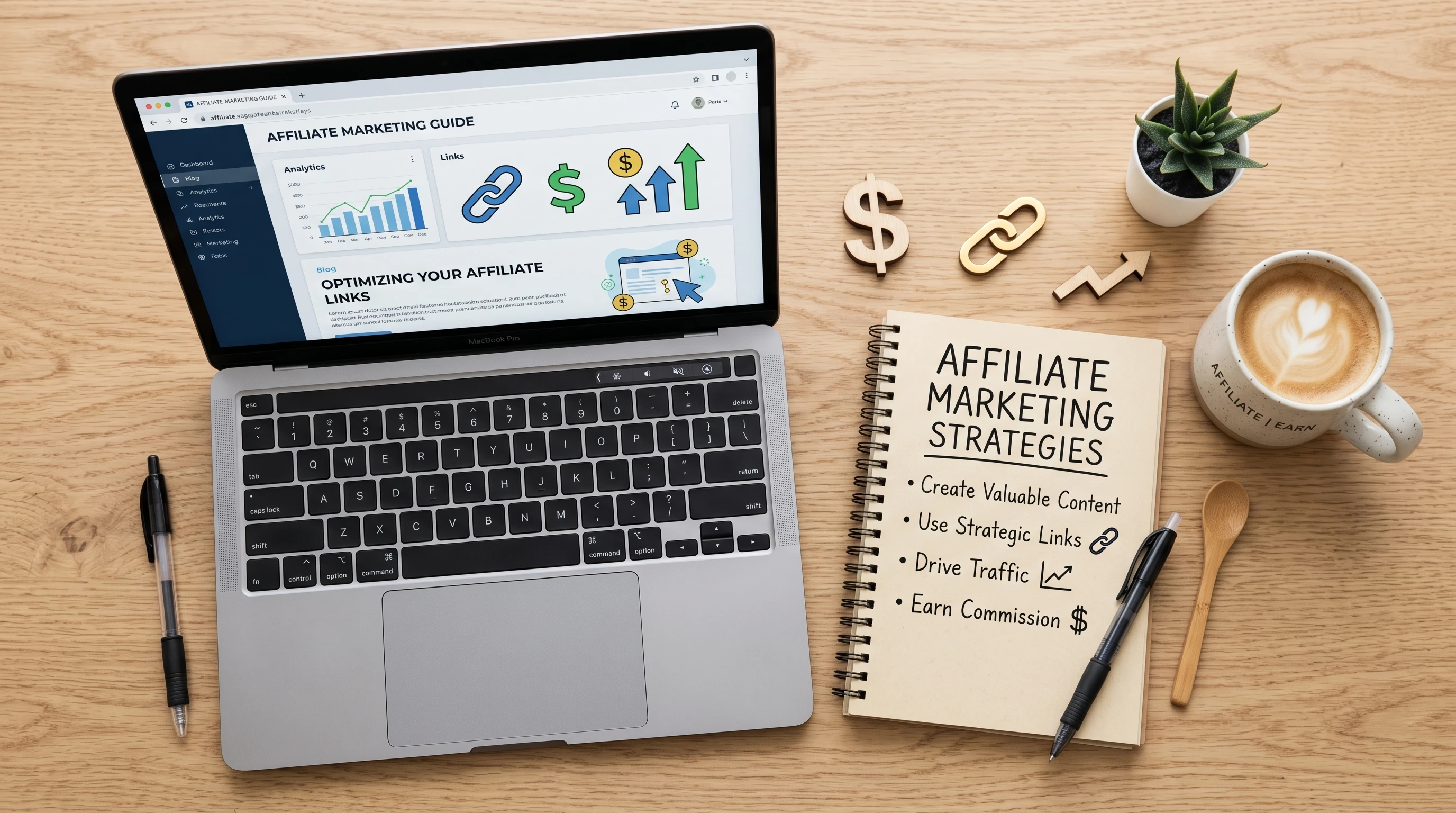
Affiliate marketing offers a simple way for anyone to earn money online by promoting products or services from other companies. If you’re new to this idea, you might be wondering how it actually works and if it’s something you could start doing yourself. I remember when I first heard about affiliate marketing; I thought it sounded almost too good to be true. You recommend products you like, and if people buy them through your special link, you make a commission. It sounded simple, but as I started learning, I realized there are important details and smart strategies behind real success.
Many beginners worry they need lots of technical skills or an existing audience to get started. The truth is, anyone can learn the basics of affiliate marketing and build up from there. With a clear plan, realistic expectations, and some consistent effort, affiliate marketing can become a way to make money from home, earn passive income, or even turn into a fulltime business over time.
This beginner’s guide breaks down everything I wish I had known when I started: how affiliate marketing works, the key terms, how to pick a niche, and real steps you can take to get started. My goal is to give you an honest, practical look at what affiliate marketing is, what it isn’t, and how you can start your own adventure—even if you have no experience yet.
🚀 Ready to start your affiliate marketing journey?
Discover the beginner-friendly training and tools that can help you build your first affiliate income system step by step.
Affiliate Marketing Basics: What Is It?
Affiliate marketing is an arrangement where you earn a commission by promoting someone else’s product or service. Here’s how it works in plain language: you join an affiliate program, get a unique link to a product, and share that link with others. When someone clicks your link and makes a purchase, you get a percentage of the sale.
Key Players in Affiliate Marketing
- Merchant (or Seller): The company or person offering the product or service. For example, Amazon, Nike, or a small online shop.
- Affiliate (You): The person who promotes the product using unique affiliate links. That’s the role I take whenever I join an affiliate program.
- Customer: Anyone who clicks your affiliate link and makes a purchase.
- Affiliate Network (sometimes): A third-party platform that connects merchants with affiliates and manages tracking and payments. Examples include ShareASale, CJ Affiliate, and Impact.
Affiliate marketing works because it gives companies a way to reach new customers, and it gives you a way to earn money without having to create your own products. Everything is tracked online, so you always know when a sale happens through your link.
Want to see affiliate marketing in action?
Use a guided platform that shows you how affiliate links, content, traffic, and commissions work together.
How Does Affiliate Marketing Work?
Understanding the process helps you see how everything fits together. When I first started, I found it helpful to map out the basic flow:
- I join an affiliate program for a product or service I like.
- The program gives me a special tracking link (called an affiliate link).
- I share that link on my blog, social media, email list, YouTube, or anywhere else my audience visits.
- Someone clicks my link and makes a purchase.
- The sale is recorded by the affiliate system, and I get paid my commission within a set period (often 30-60 days).
Most affiliate programs handle all the complicated tracking for you, using cookies or other methods. I don’t have to worry about inventory, shipping, or customer service; the merchant takes care of everything after the sale. This is a big reason why affiliate marketing is so popular for people looking to make money without heavy upfront investment.
Still confused about affiliate marketing terms?
Get simple step-by-step training that explains the important terms and removes the guesswork.
Common Affiliate Marketing Terms (Made Simple)
If you are just starting, you might see jargon that feels overwhelming. Here are a few terms you’ll come across, along with what they mean in everyday language:
- Affiliate Link: This is your unique tracking URL. When someone clicks it and buys, you get credit for the sale.
- Commission Rate: The percentage or dollar amount you earn when someone purchases through your link. Typical rates range from 2% (for physical products) up to 50% or more for digital products.
- Cookie Duration: This is how long after someone clicks your link you can still earn credit for a sale. For example, a 30-day cookie means you get paid if they buy within 30 days.
- Payout Threshold: The minimum amount you need to earn before you can get paid. If the threshold is $50, you’ll need at least that amount before receiving your commission.
Many of these terms become second nature as you get more experience, but knowing them up front helped me avoid confusion and keep track of which affiliate programs were best for me.
Not sure which niche can make money?
Learn how to choose a focused niche with real demand, good products, and long-term earning potential.
Choosing Your Niche: What Should You Promote?
One of the main questions I had when I began was: what should I promote? Picking a niche—the topic or category you will focus on—really matters for longterm success. Here’s how I approached it:
- Personal Experience and Interests: Promoting products I use myself or topics I care about makes writing and sharing feel natural. It shows when you truly believe in what you’re recommending.
- Profitability: I check if the niche has enough affiliate programs and competitive commission rates. Some niches (like software, finance, or online education) often pay more than others.
- Demand: I look for areas where people are searching for solutions and are likely to purchase online. Google Trends and keyword research tools can help you spot opportunities.
Signing up for too many random programs rarely works. I find it more effective to focus on one or two topics, build real knowledge, and create helpful content around them. Examples include fitness, beauty, tech gadgets, personal finance, or travel.
If you’re still unsure which area is best for you, jot down three or four topics you enjoy or have experience with, then run a quick Google search to see which ones have active affiliate programs. You can also browse forums or Facebook groups to sense what problems people are trying to solve—sometimes you may stumble upon an unexpected niche that is both profitable and interesting.
Want high-paying affiliate programs?
Compare affiliate programs with better commissions, longer cookie durations, and recurring income potential.
Popular Types of Affiliate Programs
Not all affiliate programs are the same. I usually find three main types:
- Retail Affiliate Programs: These are offered by big online stores like Amazon Associates, Walmart, or Etsy. They usually pay lower commissions but cover a huge range of products.
- Digital Product Programs: These promote things like online courses, ebooks, or software. The commissions are often higher, sometimes 30-50% per sale, because there are no shipping or production costs.
- ServiceBased Programs: These include things like web hosting, meal deliveries, or subscription boxes. Many of these have recurring commissions, which means I can get paid every month someone stays subscribed.
Joining a mix of these lets me mix in some variety, so I’m not relying on one single company or income source. Try comparing the commission rates and cookie durations between these different types; that can give you a better idea of which program will work best for your situation and audience.
Skip the guesswork
Start with tools, training, and affiliate opportunities in one place so you can move faster.
How to Find and Apply for Affiliate Programs
When I want to start promoting a new product or niche, I start by searching for companies that offer affiliate programs. Here are a few ways I usually track down solid programs:
- Google search: “Product or niche + affiliate program.”
- Big affiliate networks like ShareASale, CJ Affiliate, Rakuten Marketing, or Impact.
- Bloggers and YouTubers in my field often mention which programs they use.
Once I find a program that looks good, I review the terms and apply using their signup form. Some programs approve instantly, while others take a few days. Some may require a website or social following, but many are open to beginners. After getting approved, I grab my affiliate links and can start sharing them right away.
Want more clicks and conversions?
Learn content strategies that help readers trust your recommendations and take action.
Strategies for Promoting Affiliate Products
Getting clicks on your affiliate links is important, but getting actual purchases is even better. Over time, I realized successful affiliate marketers focus on helping their audience, not just spamming links. Here are some ways to promote affiliate products:
- Write Honest Reviews: I share my real experience using products, both pros and cons. People appreciate honesty.
- Create HowTo Guides: I write articles or record videos showing how to use a product to solve a problem. These usually get more clicks because they answer real questions.
- Send Newsletters: If you have an email list, you can share special offers, tips, or product roundups directly with your subscribers.
- Social Media: I sometimes post quick tips or reviews on Instagram, TikTok, or Facebook, always mentioning my affiliate relationship if required.
- Comparison Articles: These help people choose between two or more products. I use simple lists and real-life examples to make things clear.
It’s really important to add disclaimers, so your audience knows you earn a commission. Being transparent helps build trust with your readers. If you’re able to give helpful advice through your content, your readers will keep coming back, which in turn leads to more commissions over time.
Some affiliate marketers also get results by creating Pinterest boards, starting a niche-specific podcast, or even running simple paid ads—though beginners should be cautious and always read the affiliate program terms first. Remember, the key is to provide value, not just throw out links everywhere.
Ready to track your first commissions?
Set up a simple affiliate system, monitor your links, and improve what is already working.
Tracking Your Results and Getting Paid
Every affiliate program has a dashboard where I can check clicks, sales, commissions, and payments. Seeing what works and what doesn’t helps me improve my content and focus on what my audience actually wants to buy. Most programs pay out through direct deposit, PayPal, or check, and the schedule is usually monthly or after hitting a payout threshold.
Keeping simple records in a spreadsheet helps me manage which programs I’m in, when I get paid, and which links are performing best. Over time, even a few small wins can add up. I recommend setting aside a regular time each month to review your statistics, update old affiliate links if needed, and brainstorm content ideas that tie into your top-performing products.
🚀 Your affiliate marketing journey starts here
Take the first practical step today and begin building your online income with confidence.
Common Questions & Troubleshooting
Do I Need a Website to Start with Affiliate Marketing?
Having a website is helpful (and I highly recommend it for the long run), but you can start with social media, YouTube, or even email. Eventually, owning your own website gives you more control and ways to grow.
How Much Money Can I Make?
This is different for everyone. Some people earn enough for a coffee each month, others make a side income, and a few make enough to quit their jobs. I started small and focused on building helpful content, which made my earnings grow steadily over time.
How Do I Avoid Breaking the Rules?
- Always read the rules of each affiliate program. Some don’t allow paid ads, coupon sites, or certain promotional methods.
- Add a disclosure near your links so people know you earn a commission.
- Focus on adding value. Programs usually want you to help customers, not just share random links everywhere.
If you ever get stuck, don’t hesitate to check in with the affiliate program’s support or ask in online communities for advice from others with more experience. Staying sharp and being proactive about following guidelines will save you hassle down the road.
Next Steps: Your Affiliate Marketing Action Plan
- Pick a topic or niche you enjoy and are willing to learn about.
- Join one or two affiliate programs related to your niche.
- Create helpful content—reviews, tutorials, guides, or social media posts—using your affiliate links.
- Track what works, be transparent, and keep learning as you go.
Affiliate marketing doesn’t offer instant riches, but it does create real opportunities. My own experience started out with only a few clicks and small commissions, but it led to steady growth and new learning every month. If you’re curious, try one step at a time and give yourself permission to learn as you go. If you have any questions or want to share your own experiences, drop a comment below!