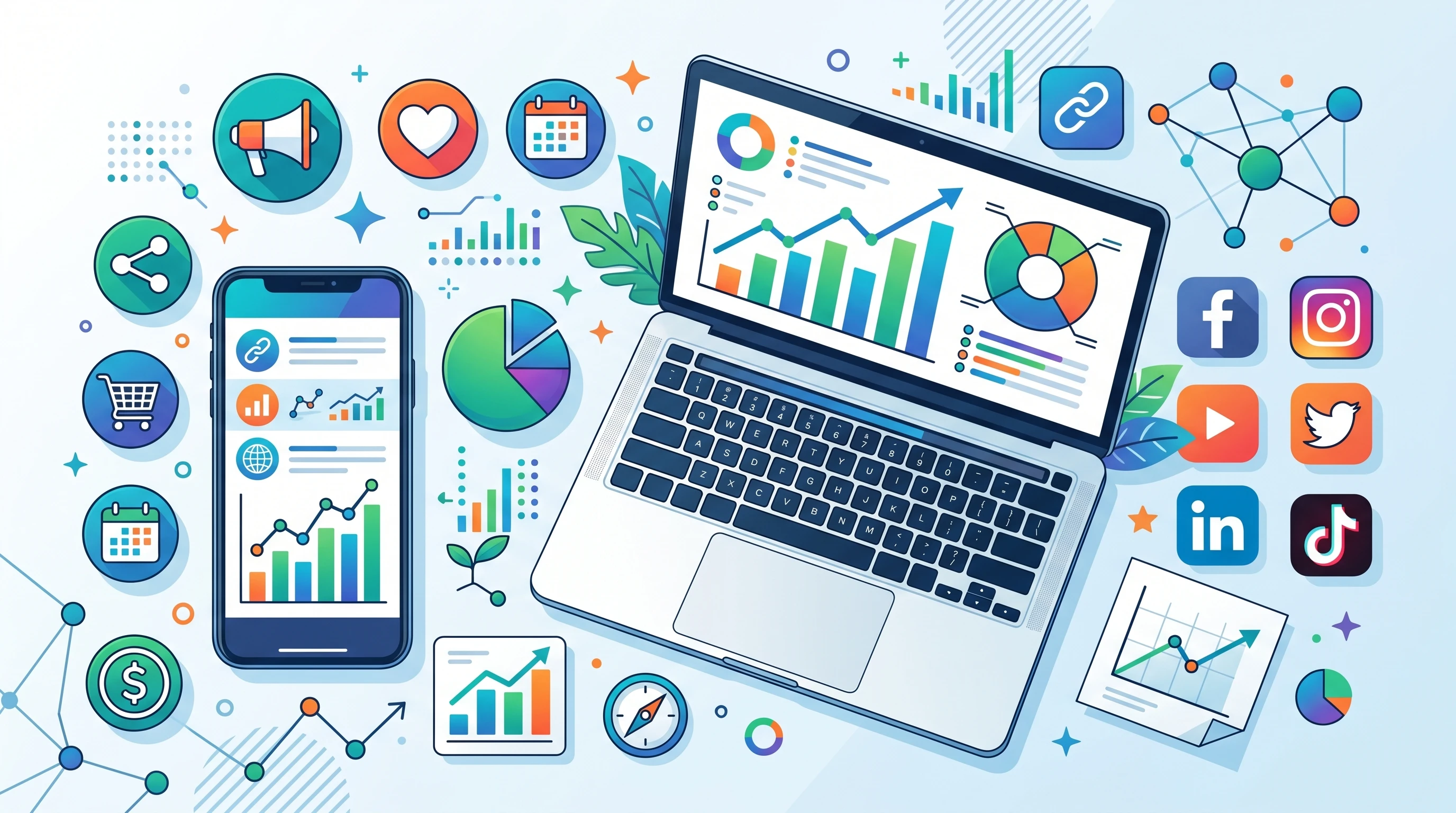
Affiliate marketing is one of the easiest ways to earn income online, but succeeding means having the right tools. While joining a high-paying affiliate program is important, using the best software and platforms helps to manage campaigns, track earnings, and optimize performance. Without good tools, staying organized or scaling up becomes a hassle, especially as a beginner.
If you’re just starting, all the new terms and options can feel overwhelming. I found that having a clear list of recommended affiliate marketing tools made the setup process much smoother. With reliable software in your stack, you can focus more on building relationships and driving conversions. There’s less time spent on technical headaches and more on growing your business efficiently.
In this article, I’ll walk you through the top affiliate marketing tools for 2026. These cover everything from tracking and reporting to content creation and automation, with something for both beginners and experienced marketers. I’ll share hands-on experiences, highlight useful features, and offer straightforward advice on what matters most when picking these tools.
1. Affiliate Network Platforms: Where It All Starts
Affiliate networks connect publishers (like me) with merchants and products to promote. They handle payments and provide the links you need to earn commissions. Picking the right network saves a lot of time and frustration.
The best networks are easy to join, have plenty of reputable merchants, and offer on-time payouts. Some networks I’ve enjoyed working with include ShareASale, CJ Affiliate, and Impact. Most platforms offer a central dashboard to view your performance, grab tracking links, and contact support if you hit a snag. Often, they have onboarding guides for beginners and tutorials to help you get started fast.
- ShareASale: Widely used, beginnerfriendly, offers tools for reporting and link management. The platform is straightforward and doesn’t take long to learn.
- CJ Affiliate: Has a huge range of advertisers and advanced reporting options for when it’s time to step up your game.
- Impact: Known for its clean dashboard and great tracking, which makes managing multiple partnerships easy and efficient.
As a beginner, starting with one or two networks helps you stay focused. Experienced marketers often join several to access more offers and mix in some variety for income streams.
2. Link Management and Cloaking Tools
Affiliate links can look long and messy. Link cloaking tools let me create clean, easy-to-remember URLs, which helps with trust and tracking. Some tools also offer detailed stats on who’s clicking and from where. Short and branded links can boost clicks and make sharing much easier, especially on social media.
- Pretty Links (WordPress plugin): This is the first tool I installed when I started blogging. It transforms ugly referral URLs into neat links, like mysite.com/go/product. The reporting dashboard tracks every click and makes it simple to update links in the future.
- ThirstyAffiliates: Another simple WordPress plugin that helps organize and categorize links, making life much easier as your content library grows.
- Bitly: Works outside WordPress, so I use it with social media posts or emails. Bitly shortens links and tracks their performance in real time.
A good link cloaker protects against commission theft and gives analytic insights so you can spot your best performers at a glance. As you build more content, having tidy, trackable links keeps your site looking professional and userfriendly.
3. Analytics and Conversion Tracking
To grow my affiliate income, I depend on solid analytics and conversion tracking tools. They reveal what’s working, what needs tweaking, and where I’m losing money. Even if you’re new, setting up the basics is essential for understanding your business.
- Google Analytics: This free tool is a staple. I use it to track which pages drive affiliate sales and which traffic sources convert best. By connecting your affiliate dashboard with Google Analytics, you can track conversion rate and see how users move through your site.
- Voluum: More advanced than Google Analytics, Voluum tracks clicks, conversions, A/B tests, and lets you split traffic between different offers. It’s a favorite for pros running paid ads.
- ClickMagick: Easy to use, yet powerful. Perfect for tracking link clicks, sales funnels, and identifying broken links that might cost you sales.
Understanding your numbers helps you stop wasting time on what doesn’t work, and put more effort behind strategies that do. Set a reminder to check your dashboards regularly and set goals based on the data you collect.
4. SEO and Keyword Research Tools
Most affiliate sales come from people searching online. That means ranking high on Google is vital. I rely on keyword research and SEO tools to plan content and optimize older posts, so I’m always bringing in new visitors.
- SEMrush: Offers everything from keyword ideas to competitor analysis. Its site audit and backlink tools help keep my site healthy and competitive.
- Ahrefs: Great for tracking keyword rankings and finding gaps in competitors’ content. It’s helpful when searching for new topics to target that are likely to convert well.
- Ubersuggest: Budgetfriendly and userfriendly. Good for beginners who want basic keyword insights without a complicated interface.
Even as a newcomer, researching keywords before creating affiliate content is important. Doing this keeps your posts focused and helps attract ready-to-buy visitors. Over time, investing in SEO tools can lead to more consistent passive income.
5. Content Creation and Optimization Tools
Quality content, whether blog posts, landing pages, or videos, brings in affiliate sales. I use a mix of tools to research, write, and optimize everything from reviews to social posts. These tools make editing and visuals much simpler.
- Grammarly: Helps me write clear, mistakefree copy for my audience. It’s especially helpful for writing longer reviews or key emails.
- SurferSEO: Suggests how to improve my articles so they outrank the competition. I get instant recommendations for word count, structure, and related topics. SurferSEO also helps me keep a natural flow while ensuring content covers all essentials.
- Canva: I design quick social media graphics, thumbnails, and infographics to make posts stand out with minimal effort. Canva’s templates help even non-designers create eye-catching visuals.
If you’re short on time, AI-powered tools like Jasper or Copy.ai can make drafts or brainstorm ideas. However, I always give my content a personal touch before publishing, since authenticity builds trust with readers.
6. Email Marketing Platforms
Email is still one of my most reliable channels for affiliate sales. With an email list, I can share new reviews, product launches, and exclusive deals directly with readers who trust my advice. Weekly or monthly newsletters can also nurture your audience and build long-term loyalty.
- ConvertKit: Known for its simple automation and tagging features, this platform helps send the right offers to the right segments. Automation also lets you welcome new subscribers without manual effort.
- GetResponse: A solid allinone solution with landing page builders, automated workflows, and detailed reports.
- MailerLite: Budgetfriendly, with a clean interface and essential features for new affiliates growing their first list.
Email marketing lets you build relationships and recover lost commissions by staying in touch with interested shoppers. Be sure your platform is affiliatefriendly as some providers have strict policies on affiliate content.
7. Social Media and Automation Tools
Promoting affiliate offers on social media gives extra reach, but manually posting everywhere takes too much time. I use automation tools to save hours and keep my accounts active, even on busy weeks. Regular posting helps build your brand while scheduled content frees you for other projects.
- Buffer: Schedules and publishes posts on multiple channels. I prepare a week’s worth of content in one go and track what works best.
- Hootsuite: Similar to Buffer, but with extra analytics and support for monitoring brand mentions or direct messages. The mobile app is handy when you’re working on the go.
- Tailwind: Best for Pinterest and Instagram, helping me organize pins or stories and stumble upon the best posting times.
Automating repetitive tasks lets you focus on interacting with your audience, writing reviews, or developing new content ideas. Social sharing tools can also show which posts are next-level cool, so you can double down on your hits.
8. Landing Page and Funnel Builders
A well-designed landing page can pump up conversion rates for affiliate offers. Instead of sending visitors directly to the vendor, I sometimes create bridge pages, reviews, or resource lists to warm up my audience first. This extra step often leads to higher engagement and more commissions.
- Elementor: Draganddrop WordPress page builder. With templates and widgets, I can design custom affiliate hubs without knowing code.
- ClickFunnels: Lets users build complete sales funnels, from opt-in pages to thank-you confirmations. Great for running targeted ad campaigns and lead capture.
- Leadpages: Offers simple templates for high-converting landing pages and integrates with most email platforms.
For beginners, even a simple resource or review page can mean more clicks and commissions. As you grow, testing different layouts or calls-to-action can pay off big. Regularly updating pages with new offers or testimonials also helps sustain results.
9. Compliance and Disclosure Tools
Transparency builds trust, plus it’s required by law in many places. Disclosure tools help me clearly state that I may earn a commission if someone buys through my link. They also keep my site aligned with privacy regulations, which is super important for repeat business and search visibility.
- WP AutoTerms: This plugin generates privacy policies, terms, and disclaimers that meet FTC guidelines.
- GDPR Cookie Consent: For sites with EU visitors, this tool makes it easy to manage cookie notifications and user consent. Regular updates mean you stay compliant without manual work.
Using these tools removes stress about legal rules and keeps my reputation solid with readers. A well-written disclosure gives your audience peace of mind and makes you seem honest and approachable.
10. Collaboration and Productivity Tools
Managing affiliate campaigns often means juggling deadlines, tracking tasks, and working with freelancers or partners. I use a few general productivity apps to stay organized and join forces with others. The right workflow saves time, keeps your project moving, and lets you focus on building value for your audience.
- Trello: A visual board that keeps track of blog ideas, campaign statuses, and to-dos. Perfect for working solo or with a small team.
- Slack: For quick chats with collaborators, designers, or support partners. Slack channels can keep your communication organized by topic or projects.
- Google Workspace: I draft copy in Docs, store graphics in Drive, and set reminders with Calendar. The sharing features make joining forces simple, and everything stays synced in one place.
While not specific to affiliate marketing, these tools help everything run smoother behind the scenes. Time management is often overlooked, but with the right apps, your results can improve fast.
Final Thoughts on Building Your Affiliate Marketing Tech Stack
Choosing the right affiliate marketing tools can make a huge difference. They save time, give a boost to your results, and help both beginners and pros manage their business more effectively. I recommend starting simple: pick one tool from each category that fits your current needs. As your income grows, exploring more advanced options can open up new opportunities.
Spending a little time up front setting up these tools is one of the best investments you can make in your affiliate adventure. The right setup builds confidence, frees up your schedule for creative work, and increases your chances for long-term success. With solid tools, you’ll be ready to hit your affiliate marketing goals for 2026 and beyond.