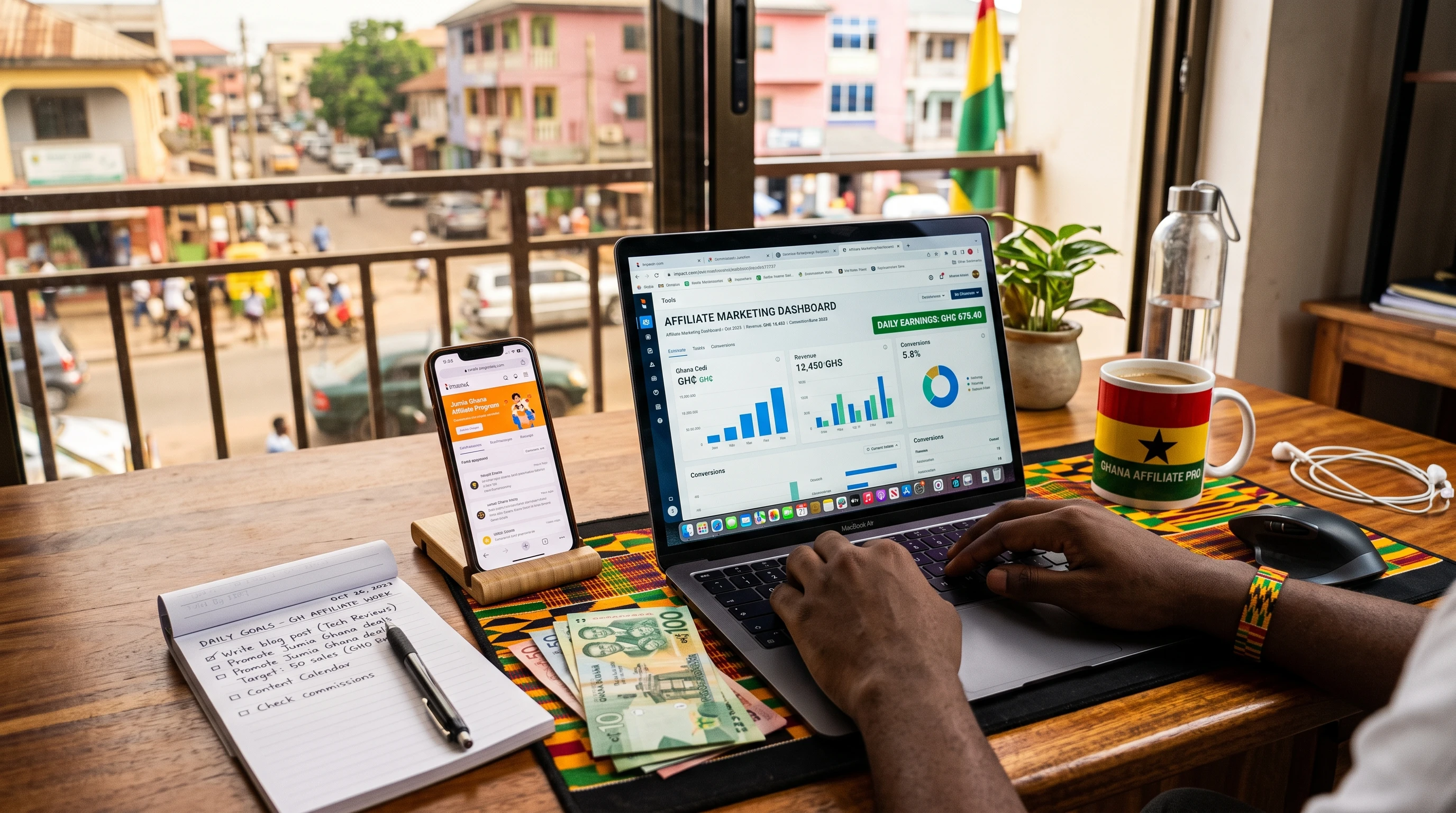
 Affiliate marketing has become a pretty solid way for people in Ghana to earn a side income, or even build a whole online business. If you’re new to the idea, affiliate marketing means partnering with companies to promote their products or services. When someone buys through your custom link, you get a commission. It’s a model that’s grown fast thanks to the spread of smartphones, better internet across Ghana, and the power of social media.
Whether you’re a student, an entrepreneur, or just looking for a legit way to make some extra cash, affiliate marketing is worth checking out. I’ve picked up a bunch of tips from working with brands and trying different programs, and I’m laying out everything you need to know to get started in Ghana’s digital market.
This guide will break down how affiliate marketing works, what you’ll need, and the steps that helped me get results without a huge budget or special tech skills.
Get Clear on What Affiliate Marketing Looks Like in Ghana
Before making your first move, it’s really important to know how affiliate marketing fits into the Ghanaian market. The basics are the same everywhere, but there are a few things to think about if you’re based here.
How Does Affiliate Marketing Work?
- You join a company’s affiliate program (for example, Jumia, Amazon, or a local service).
- You get special links, codes, or banners to share online (on WhatsApp, Facebook, Instagram, your blog, etc.).
- If someone clicks your link and makes a purchase, you earn a percentage.
It’s pretty straightforward, and you don’t have to stock products or worry about shipping, which makes it a low-risk side hustle. You’re mainly responsible for helping people stumble upon useful products and guiding them on how to buy.
Why Affiliate Marketing Works Really Well in Ghana
- Ghana has a growing number of online shoppers. Platforms like Jumia, Tonaton, Melcom Online, and Glovo are now used by thousands.
- Mobile penetration is high. Most people use WhatsApp, Facebook, and Instagram, which makes it easier to promote affiliate links.
- Many ecommerce brands and even banks now offer affiliate programs you can join locally, so you don’t need to limit yourself to just international options.
The key is to understand what Ghanaians are actively buying online and which marketing channels work best for reaching them. Try to spend time browsing Ghanaian forums or scrolling through conversations in local groups. You’ll get a sense of the trending products, seasonal spikes (like Black Friday or back-to-school), and what people actually prioritize, from affordable mobile data plans to household appliances. Looking at what is popular both on social media and ecommerce platforms can help you identify where the biggest opportunities lie. For example, in the last year, electronic gadgets, fashion wear, food delivery, and home improvement products have seen huge spikes in sales throughout Ghana’s major urban centers like Accra, Kumasi, and Takoradi. Paying attention to these patterns will help you shape your affiliate strategy for better results.
Choose Your Niche and Audience
Trying to promote everything to everyone never works. I learned quickly that choosing a niche is super important. A niche is basically a focused topic or product type aimed at a specific audience.
How to Pick a Good Niche in Ghana
- Pick something you’re genuinely interested in; this makes it easier to keep up the momentum.
- See what products or services are trending (fashion, tech gadgets, mobile devices, educational courses, food delivery, online loans, etc.).
- Join Facebook and WhatsApp groups to check what people are asking about or struggling with.
- Test out promoting things you’ve tried yourself, like your favorite online shop or local delivery app.
- Look for problems you can solve with affiliate products. For instance, if you find people struggling to access short-term loans or working from home, you can suggest mobile loan apps or affordable Wi-Fi routers as solutions with your affiliate link.
- Remember, your own experiences matter. Sharing how a product genuinely helped you (or even how it didn’t) tends to build trust, which is incredibly valuable in the Ghanaian market.
Popular Affiliate Niches in Ghana
- Electronics (phones, laptops, accessories)
- Online education (Udemy, LinkedIn Learning)
- Health and wellness
- Fashion and beauty
- Home appliances
- Food delivery and ridehailing services
- Sports betting and online gaming (only if you’re eligible in Ghana, and you understand the risks)
- Financial products (insurance, micro-lending, fintech apps)
Find something you can talk about honestly. People in Ghana like seeing real examples or reviews, so your personal experience will make your promotions more convincing and relatable. If you’re just starting and not sure where to aim, try polling your WhatsApp contacts or running a quick Instagram story poll to ask what people are most interested in buying online. This feedback can quickly guide your next step.
Pick Reliable Affiliate Programs
Not all affiliate programs pay well or fit the Ghanaian market. I’ve had better results by mixing local programs with a few trustworthy international ones. Picking the right affiliate programs will make your ride much smoother, so take your time to look over your options.
How to Find Good Affiliate Programs
- Start with platforms you use already, like Jumia, Glovo, Ecobank, or even Shopnaw for groceries.
- Check if they have an official affiliate or referral program. Most will show this at the bottom of their websites, or in the help section.
- Browse through networks like Impact, CJ Affiliate, or ShareASale. These let you join multiple brands from one place but may pay in foreign currency.
- Read reviews on Google or sites like Trustpilot to see if affiliates are getting paid reliably.
- Check community forums for recent experiences with programs you’re interested in. Sometimes, even the most popular programs can have payout issues or bad customer support, so it helps to get firsthand feedback from other Ghanaian affiliates.
Examples of Programs That Work in Ghana
- Jumia Affiliate – Offers lots of product categories and pays out in Ghana cedis. Check here
- PayPorte, Konga, Melcom Online – Other ecommerce platforms expanding affiliate opportunities locally.
- Amazon Associates – Pays in dollars. You’ll need to figure out how to receive payments via Payoneer or a bank that supports foreign transfers, but it’s still worth trying for international product promotion.
- Travel & Forex – Companies offering money transfer services, travel booking, or fintech apps sometimes open affiliate deals.
- Local telecom and tech companies – MTN, Vodafone, and other service providers sometimes run referral or commission-based programs, so don’t just focus on ecommerce platforms.
Whenever you’re joining a program, look at the payout rates, minimum withdrawals, cookie periods (how long your link tracks purchases), and how payments are made. That way, there are fewer surprises. Also, check policies for returns or order cancellations, as these can affect your commissions. Being thorough before you sign up saves headaches down the line.
Set Up Your Platform and Tools
Affiliate marketing in Ghana doesn’t require a fancy website at the start, but you do need a way to reach people and share your links. Here are some options I’ve used:
Where Can You Promote Your Links?
- Social Media: WhatsApp status, Facebook groups, personal Facebook pages, Instagram, Twitter (X), and Telegram channels.
- Blog or Website: Setting up an affordable WordPress site with hosting from local companies like StormerHost, Dtech Ghana, or Hubtel is easier than ever. Blogs help you reach Google searchers and build passive income over time.
- YouTube or TikTok: Product review videos work well. Use your unique links in your video description or bio.
- Email Newsletters: Mailchimp offers a free tier, so you can build a mailing list and send out tips or deals with your affiliate links.
- Podcasts: If you enjoy audio content, Ghana’s podcast space is growing fast. You can talk about products in your episodes and include affiliate links in your show notes or episode descriptions.
Helpful Tools for Ghanaian Affiliates
- URL shorteners – Bitly, TinyURL, or Rebrandly make your affiliate links look cleaner. Long links can scare people off, so this simple step helps boost clicks.
- Canva – Design graphics for posts, WhatsApp Status updates, and banners.
- Google Analytics – Track where clicks are coming from if you run a website.
- Payoneer – Receive payments from international programs that don’t pay via mobile money.
- Local banks with online banking – GTBank, Ecobank, Stanbic, and Access Bank have good digital platforms for tracking payments.
- WhatsApp Business – Lets you set up automated replies, business profiles, and catalogs for smoother communication and quick sharing of affiliate links.
Pick your favorite social channel or blog, and just start sharing. As you grow, setting up a basic website or newsletter can help you look more professional and reach new audiences. Don’t be afraid to experiment; sometimes, a short video explainer in a local language can grab way more attention than a standard text post. Mixing up formats helps you keep things fresh and reach all types of audiences in Ghana’s diverse digital community.
Create Trustworthy Content That Converts
If you just share links randomly, you probably won’t make many sales. What worked for me is making honest, helpful content that solves a problem or answers a question for my audience.
Content Ideas for Ghanaian Audiences
- Simple product reviews (use your own photos or screenshots for extra trust)
- “Best of” lists (like top affordable smartphones in Ghana, or best home generators)
- Discount or promo updates, since people want good deals.
- Step-by-step guides (for example, how to order food online, or how to apply for an online loan)
- Share quick tips as WhatsApp voice notes or brief videos in local languages
- Host live sessions or Q&A videos on Facebook or Instagram to address questions about popular products or services. People appreciate real-time engagement and transparency.
Always include your affiliate link where it makes sense. Let people know up front if you’ll earn a commission; being transparent helps build loyal followers who’ll trust your recommendations. You could say, “If you buy using my link, I may earn a commission, but it won’t cost you anything extra.” This builds credibility and long-term trust with your audience. Also, focus on benefits and honest pros-and-cons, so your followers can spot the value and make up their own minds. Authenticity goes a long way in Ghana’s tight-knit communities, both online and offline.
Drive Traffic and Track Your Results
The more people see your content, the higher your chance of earning commissions. Focusing on traffic means growing your reach, both in Ghana and among Ghanaians abroad. Even small audiences can mean steady sales when you match content to their needs.
Simple Ways to Get Traffic in Ghana
- Share in active WhatsApp, Facebook, and Telegram groups related to your niche.
- Team up with other creators or influencers to get shoutouts or co-host online events.
- Run small paid ads on Facebook targeting people in specific regions. This is surprisingly affordable and can help you reach the right buyers, especially during back-to-school rush or festive seasons.
- Keep your content consistent and post regularly, especially around payday (1st and 15th of each month) when people are ready to buy.
- Join online forums or Ghanaian question platforms where people are looking for advice or suggestions (Reddit, Quora, Nairaland for West Africa topics).
- Get involved in online events, webinars, or spaces where buyers hang out. Ghana’s digital spaces host contests, giveaways, and learning sessions all the time—you’ll reach new faces by joining in.
Tracking Your Performance
- Watch which content brings the most clicks and sales using your affiliate dashboard.
- Try A/B testing: share two product options and see which gets more responses or purchases.
- Ask friends, family, or your first customers for honest feedback; this helps you tweak your approach.
- Use any built-in analytics tools from your chosen platform (Facebook Insights, site stats, or Jumia’s affiliate dashboard all show useful data).
- Set monthly goals for yourself, like getting 100 clicks or making your first five sales, so you can measure your progress and stay motivated.
Staying consistent and trying different strategies helps you figure out what works best for your unique audience. Be open to switching things up if something isn’t working. Sometimes, a small change in your content timing, headline, or call to action can set your sales streak rolling. Remember, patience is key in affiliate marketing.
Avoid Common Affiliate Marketing Pitfalls
Learning from other people’s mistakes can save you a ton of time. Here are a few things that tripped me up and what you should watch out for:
- Don’t spam your friends, family, or groups. Focus on being helpful and sharing relevant deals.
- Watch out for scams. Real programs won’t ask you to pay upfront. Avoid anything that promises guaranteed profits or asks for “activation fees.”
- Stay up to date with local payment rules. Some international affiliate sites make it tricky to get your money out. Take time to understand payout schedules and options first.
- If you’re writing reviews, actually try the product if possible, or do extra research so you’re sharing real info with your audience.
- Keep an eye out for programs that suddenly change terms or cut commissions with short notice. Always join affiliate groups or sign up for newsletters to get the latest updates.
- Don’t give up if you don’t see fast results. It takes time to build trust and a loyal audience, especially in Ghana where word-of-mouth matters a lot.
Frequently Asked Questions
Can I do affiliate marketing in Ghana with just a phone?
Absolutely. Most people in Ghana manage their affiliate accounts, make posts, and share links entirely from their phones. No laptop needed. Apps like Canva and Facebook Business Suite make it even easier to create content and track posts on mobile.
How do I get paid from affiliate networks?
Local options like Jumia pay directly to your mobile money or bank account in Ghana cedis. For programs like Amazon, you can use services like Payoneer, then transfer to your local bank. Payments are usually made monthly or when you hit a minimum amount. Make sure your details are complete in your affiliate dashboard and always double-check for the right payment methods available to Ghanaian users.
What kinds of earnings should I expect?
Most programs pay between 2% and 12% per sale, but this really depends on what you’re promoting. Electronics often bring smaller commissions, while digital products or courses pay better. Focus on repeat purchases or products with subscription models to build a steadier stream of income over time.
Is it legal to promote international products from Ghana?
Yes, but check the program’s rules. Many welcome international partners, but some have country restrictions. Always read the fine print so you don’t waste time on programs you can’t actually earn from in Ghana. If in doubt, reach out to their support and ask for confirmation before you start working hard.
Taking Your First Steps
I’ve found that starting is the hardest part, but once you make your first sale, things get really exciting. Affiliate marketing is perfect for anyone who’s willing to help others make smart buying choices and who wants to earn without a big upfront investment.
Simple Action Plan:
- Pick one niche or product category you know well, or that friends keep asking you about.
- Sign up with a reputable affiliate program like Jumia or Amazon Associates.
- Choose your main channel (WhatsApp, Facebook, Instagram, blog, YouTube, or podcast).
- Create one honest post or video this week with your affiliate link and share it with a targeted group or audience.
- Track the reactions and tweak as you go. Don’t be afraid to ask for feedback or share your progress with others on the same path. Each small improvement adds up.
Let me know what you decide to promote, or if you’ve got more questions about affiliate marketing in Ghana. There are always new tricks and tips popping up, so I’m happy to help fellow Ghanaians succeed. If you stick with it and keep an open mind, affiliate marketing can grow into a solid side hustle or even a full-fledged business for you. Wishing you great success as you put your first plan into action!