
Online Courses For Scholarship Success

Colorful laptop, desk, and open notebooks for online learning scholarship success
Online Courses For Scholarship Success: My Guide

Preparing for scholarship applications can feel overwhelming, especially if you’re balancing schoolwork, family, and life. I remember feeling unsure where to start or which scholarship opportunities would fit me best. Online courses helped me build confidence, organize my application materials, and learn how to approach essays. Learning in my own time, at my own pace, turned a stressful process into one I could handle step by step.

Online courses for scholarship success focus on more than just writing essays. I found guidance on searching for scholarships, understanding eligibility, planning timelines, and reviewing real examples. These resources open up opportunities, especially if you’re the first in your family to apply for college or scholarships. I want to help you track down how online courses can smooth the way for your search and give a boost to your chances.


Why Online Courses Make a Difference

  • No travel or strict schedules. All you need is an internet connection and a device. I enjoyed the flexibility to study whenever I had a free moment, from my bedroom or even on my phone during commutes.
  • Expert advice and strategies. Most online courses are taught by professionals who have reviewed scholarship applications, or by past recipients eager to share what worked for them.
  • Practical exercises and templates. I found downloadable checklists, sample essays, and planning tools. These helped me organize everything in one place.
  • Selfpaced learning. Some days I felt more focused and could cover several modules, while other times I just picked it up for fifteen minutes. There’s no pressure to keep up with a classroom.

Core Topics Covered in Scholarship Success Courses

I noticed most quality scholarship prep courses break things down into stepbystep topics. Here are a few I found especially helpful, and some extras that can benefit you along the way:

  • Personal inventory and eligibility matching. Courses helped me list my strengths, interests, and community work. Then, I used that information to identify scholarships I actually stood a chance at winning.
  • Essay writing workshops. Lessons teach you how to plan, draft, and revise scholarship statements or personal essays. I appreciated real-life examples with feedback to see what makes a story stand out.
  • Completing applications and meeting deadlines. There’s often an emphasis on planning timelines and organizing materials, so nothing gets missed or rushed at the last minute. One added value was learning organizational habits that helped me even outside of scholarships.
  • Reference letters and supporting documents. I learned how to politely ask for recommendation letters and which activities or awards to include as proof.
  • Interview preparation. Some scholarships require short interviews. Videos and sample questions gave me a sense of what to expect and how to answer confidently.
  • Scholarship search skills. Some modules focus on searching for scholarships, teaching you how to use databases, filter by eligibility, and avoid scams.
  • Building your brand. A few top courses also talk about developing a personal brand—your story, values, and unique contributions can help applications stand out.

Recommended Resources: Where To Find Quality Classes

You don’t need to spend a lot of money to get solid advice. Many respected organizations and platforms offer free or affordable courses focused on scholarships. Here are some places where I tracked down helpful resources:

  • Coursera – Search for college prep or scholarship courses from universities.
  • edX – Offers college writing, application, and personal branding courses from top institutions.
  • Scholarships.com – Free webinars on searching and applying for scholarships.
  • Khan Academy – Focuses on college admission but has sections on scholarships and essays.
  • Niche – Useful guides and lists of scholarships, with some instructional content.

Public libraries or your school counselor’s website may also link to local or national workshops. It’s worth checking regularly. New opportunities can pop up all year, and sometimes local groups or nonprofits sponsor free sessions or dropin Q&As.

Don’t forget about student organizations or college access groups—many have online events or mentoring programs. Peer support can help you stick to your application goals and stay motivated through tough weeks.


Simple Steps To Boost Your Scholarship Chances

1. Make a Personal Profile Sheet

Start by listing your interests, awards, extracurriculars, jobs, and volunteer work. Several online course modules walk you through making a profile worksheet. I found this step really important for remembering details when I filled out applications later.

2. Organize Deadlines and Materials

A calendar and shared folder system kept me from missing anything. Some courses provide digital planners or Google sheet templates. Tracking deadlines across several scholarships helped me feel more organized and less rushed.

3. Draft and Save Multiple Essay Versions

Courses provided plenty of sample prompts. I wrote essays for different word counts and saved them in a single document. Reusing and tweaking paragraphs for multiple applications saved me a lot of time. You can also make a bank of sentences about your activities to plug in as needed.

4. Proofread and Share With Others

Most online courses encourage sharing drafts with peers or mentors. Even reading out loud or running a spellcheck tool helped spot errors. You could also swap essays with a friend—they may spot things you missed, and you’ll learn from reviewing their writing too.


Tips To Make Online Learning Work For You

  • Pick one course to start, and complete that before taking on extra ones. I found it easy to get overwhelmed with too many tabs open.
  • Bookmark modules or videos you want to revisit, especially examples or guide sheets. Saving the best ones helps when you’re short on time later.
  • Keep all your scholarship work in a digital folder with subfolders for essays, personal statements, and application forms.
  • Schedule short sessions every week instead of cramming before deadlines. Small steps helped me build real momentum.
  • Take notes on what you learn from each module. A quick summary sheet makes review simple before you hit “submit.”

Frequently Asked Questions

Q: Are online scholarship prep courses really helpful if I already do well in school?
Online courses focus on skills that aren’t always taught in class, like writing about personal growth or planning essays around specific prompts. Even students with good grades can benefit from new approaches to time management and storytelling.

Q: How do I know if a course is trustworthy?
Look for courses run by colleges, nonprofit organizations, or websites with lots of reviews. If a class is offered through your school, it’s usually reliable. I check for clear contact information and up-to-date content.

Q: Does it cost money to sign up?
Many courses are free or offer free trial access to some modules. If a course charges, compare the price and contents with other options. Sometimes free resources offer just as much value as paid ones.


Ready To Get Started On Your Scholarship Adventure?

Online courses can turn scholarship searching from a guessing game into a practical plan. I hope the tips and resources I shared help you feel ready to take your next steps. If you find a course or tool that’s especially useful, I’d like to hear about your experience. Good luck on your scholarship applications. Your hard work can pay off!


Top Scholarships For High School Seniors 2026

Finding scholarships as a high school senior takes more than just luck. There are thousands out there but knowing where to start and which ones really fit your situation can make a huge difference. I’ve seen students lighten the load on their college bills just by taking a bit of time each week to find and apply for the best awards. This guide covers some of the top scholarships for high school seniors in 2026, along with strategies, things to keep in mind, and a few common questions from students like you.

A stack of colorful scholarship application forms on a wooden desk with pens and notepads, surrounded by bright light and a plant in the background.

Why Scholarships Matter for High School Seniors

Scholarships are more than just “free money.” They help open doors. Whether you’re eyeing a four-year college, a trade school, or community college, awards based on academics, leadership, hobbies, or your personal story can lighten your financial load. Many scholarships cover not just tuition, but also living costs, laptops, books, and even travel in some cases.

The biggest perk is reducing or dodging student loans. The College Board says the average U.S. undergraduate loan debt is over $30,000, which is a hefty bill to start your post-grad life with. Scholarships can help you stay in control of your financial path and make your education feel more achievable. Plus, winning scholarships looks eye catching on your resume and can help you stand out in a crowded job market or in grad school application pools later on.

Top National Scholarships for High School Seniors 2026

I recommend checking out these well-known scholarships, as they cover a wide range of backgrounds and interests. Most have annual deadlines, so keep an eye on their official websites for updated dates and application details.

  • Coca Cola Scholars Program Scholarship: This one’s pretty famous. Every year, 150 high school seniors get $20,000 each, recognizing leadership skills, academic excellence, and community involvement. Coca Cola Scholars Foundation
  • Gates Scholarship: If you’re a minority student with a strong academic record and leadership experience, this is worth a look. It covers the complete cost of attendance not already covered by financial aid. The Gates Scholarship
  • Elks National Foundation Most Valuable Student Competition: Scholarship amounts range from $1,000 to $12,500 per year for top students who show academic performance, leadership, and financial need. Elks National Foundation
  • Jack Kent Cooke Foundation College Scholarship: This award helps high achieving students with financial need, offering up to $55,000 a year, along with academic advising and community support. Jack Kent Cooke Foundation
  • Ron Brown Scholar Program: Supports African American students who excel academically, show leadership, and are committed to service. Awards are $40,000 distributed over four years. Ron Brown Scholar Program
  • Horatio Alger Scholarship: For students who have faced adversity and shown resilience, with awards up to $25,000. Horatio Alger Association

These aren’t the only big-name scholarships, but they are some of the most trusted and tend to offer generous awards. Take your time and be thorough with these applications; they’re competitive, but also totally worth your effort. Remember, the more detailed and personal your application is, the better your shot at standing out.

Popular Field Specific Scholarships

You can get scholarships in specific subjects, activities, or for following a certain career path. Here are some eye-catching examples:

  • National Merit Scholarship Program: If you scored well on the PSAT/NMSQT, you might qualify for varying awards through this long running program. National Merit Scholarship Corporation
  • Davidson Fellows Scholarship: High achieving students who create significant projects in science, technology, engineering, math, literature, music, or philosophy can earn up to $50,000. Davidson Institute
  • Society of Women Engineers (SWE) Scholarships: For young women planning to major in engineering, these scholarships range from $1,000 to $15,000. Society of Women Engineers
  • NHS Scholarship Program: Members of the National Honor Society can apply for awards up to $25,000 toward college costs. National Honor Society

Many organizations also offer scholarships by intended major, interests, or even quirky talents like duck calling or making the best peanut butter sandwich. If you have a unique hobby or background, plug it into free search engines like Fastweb or Scholarships.com and track down what comes up. Sometimes the niche awards can be the easiest to snag!

Quick Steps for Scholarship Success

Applying for scholarships can feel overwhelming at first, so I like to break it down into a few steps that genuinely help students save time and aim for the awards that match them best.

  1. Make a Scholarship Spreadsheet: Use Google Sheets or Excel to track scholarships, deadlines, requirements, and when you submit each application. Staying organized makes the process smoother.
  2. Start Early: I suggest beginning your search at the end of junior year or as soon as senior year kicks off. Some awards have deadlines in the fall or even earlier, so getting a head start matters.
  3. Work on a Strong Personal Statement: Many scholarships ask about your story, challenges, and goals. Keep a master essay template so you can tweak it for different applications without starting from scratch each time.
  4. Ask for Recommendation Letters: Teachers, coaches, or community leaders who know you well can write strong, personal letters. The earlier you ask, the better, to give them time to add some details about your strengths.
  5. Proofread Everything: Senior year gets busy, but simple mistakes can hurt great applications. Reviewing your work before submitting pays off in the long run.

Taking care of the basics early means less stress and more confidence when deadlines start coming at you fast.

What to Watch Out For: Scholarship Myths & Mistakes

There’s a lot of noise around scholarships, so here are a few realities to keep in mind:

  • You don’t need a perfect GPA: Many scholarships value leadership, community service, or overcoming challenges just as highly as grades. Don’t count yourself out if your grades aren’t flawless.
  • Private scholarships aren’t only for low-income students: Plenty reward things like creativity, entrepreneurship, or special talents.
  • Avoid paying to apply: Legitimate scholarships don’t charge application fees. If you see one, it’s probably a scam.
  • More applications = more chances: Even small awards add up. Don’t overlook $500 or $1,000 scholarships; they’re easier to win and can go toward supplies or fees.

GPA and Test Scores: How Much Do They Matter?

While a solid GPA can open some doors, it’s not the only factor. Many scholarships want to see a blend of academic effort, work ethic, and a desire to give back. If your grades are average, pointing to real world projects, part time work, or volunteer experiences can give a boost to your application. Standardized test scores like the SAT or ACT only matter for a handful of scholarships now, since many schools have gone test optional.

Avoiding Scholarship Burnout

Trying to do it all can get exhausting. I recommend setting a schedule, such as dedicating one weekend a month for applications or reserving an hour after dinner a couple of nights a week. Celebrate the small wins—finishing your first application is a milestone!

Using Community and Local Scholarships

National awards are great, but local scholarships often get fewer applicants and are easier to win. Check with your high school guidance office, public library, local rotary clubs, and area businesses. Some supermarkets and small companies also offer awards to local students. Applying for a mix of big and small scholarships can add up to a sizable amount for your college fund.

  • Parents’ workplaces might have scholarships for employees’ kids.
  • Community foundations often list area specific awards, sometimes only open to a handful of students.
  • Don’t forget to check with local chambers of commerce or cultural organizations for other options that might be right in your backyard.

Also, sometimes churches, synagogues, or other faith-based groups sponsor smaller scholarships each year. Taking a little time to check in with these groups can really pay off and expand your list.

Frequently Asked Questions About Senior Scholarships

Here are some questions students often ask as the search starts heating up:

Q: How do I know if a scholarship is legit?
A: Look for red flags like application fees, unrealistic promises, or asking for sensitive info too soon. Stick to well-known organizations or awards listed by your school or trustworthy scholarship services. If you’re unsure, ask your guidance counselor to double check before applying.


Q: How many scholarships should I apply for?
A: There’s no “right” number, but more is usually better. Many students set a goal of 15 to 30 applications during senior year, mixing national, local, and field specific awards for the best odds.


Q: Can I use scholarship money for living expenses?
A: Most scholarships can be used for tuition, books, and sometimes housing or meal plans. Always read each award’s rules so you know exactly what’s allowed.


Q: What happens if I win more money than college costs?
A: Some colleges may reduce your need-based aid, but excess funds from scholarships can sometimes roll over to future semesters or be used for other fees. It’s smart to check in with your college’s financial aid office for the exact details and options based on your school’s policy.


How Scholarships Fit into Your College Adventure

Applying for scholarships is one of the sharpest ways to make your college goals realistic and affordable. Winners often stumble upon new interests, programs, and friends through scholarship communities, too. Even if you don’t score the “biggest” awards right away, every application gives you better practice for the next round and builds your confidence.

Each story is different, but with a bit of a game plan, solid determination, and some patience, starting your college years with less financial pressure is totally possible. I always remind students: just go for it—you never know which application will make the difference and spark your college story.

Top Online MBA Programs 2026

Online MBA programs have grown fast in the last few years, with fresh tech, industry-fueled coursework, and flexible setups making advanced business education more accessible than ever. If you’re considering a management job, a promotion, or thinking about starting your own business, picking the right online MBA in 2026 can have a huge impact on your path. With so many options out there and real differences between programs, I’m here to break down what you need to know to choose the best online MBA, what to expect, and how to spot the ones that deliver solid value.

colorful campus illustration including digital elements representing online learning

What Makes an Online MBA Program Stand Out?

Online MBA programs have seriously stepped up from where they started. In earlier days, a lot of employers barely noticed them. Today, though, they understand that a strong online MBA means putting in real work, building advanced skills, and picking up business knowledge on par with in-person degrees. Leading publications like U.S. News and World Report and QS now rank online programs from big names like Carnegie Mellon and Indiana University, pointing to major changes in the world of business education. If you’re on the hunt for the best 2026 online MBA, here’s what I especially look for:

  • Accreditation: Look for AACSB, EQUIS, and AMBA approval. This means the program meets global quality standards and is recognized by employers everywhere.
  • Live Interaction: Top programs go beyond recorded lectures with live classes and online meetups to help you connect with instructors and classmates.
  • Career Support: Great online MBAs offer career coaching, mentorship, and strong alumni networks you can actually tap into for your job search or promotions.
  • Flexible Learning: If you’re working full time, search for selfpaced classes or schedules outside office hours. Flexibility is key to balancing work and studies.
  • Global Focus: Bonus points if the program includes international projects or global immersion segments, which can help if you’re eyeing a career abroad.
  • Reputation: Brand recognition and good rankings still count if you’re aiming for competitive roles or industries.

Schools like Wharton, University of Illinois (iMBA), and Warwick Business School have set the example, blending strong academic content with digital delivery. With the ongoing digital shift, more programs now offer immersive simulations, team projects online, and even virtual internships. These features help working professionals build relevant experience and balance their busy schedules. The reality is, the digital side of these programs is not only a necessity but a big plus for today’s workforce, where remote collaboration and tech skills matter more than ever.

Key Factors to Consider When Choosing an Online MBA in 2026

Finding the best fit for your online MBA is about knowing where you’re most likely to thrive. What works for someone else may not be your best match. Since an MBA is a big investment, smart research can save you time and money. I recommend looking closely at the following:

  • Program Structure: Does the coursework and schedule line up with your goals (like entrepreneurship, finance, or marketing)? Hands-on projects, capstone assignments, and concentrations all help you get closer to your desired job.
  • Tech Support and Platform: Make sure the online portal is easy to use, mobile friendly, and offers real troubleshooting support when you need it.
  • Faculty Experience: The best programs have instructors with solid business backgrounds, including those who still work as business leaders or consultants. This real-world perspective makes learning much more valuable.
  • Cost and ROI: Weigh total tuition, financial aid, and actual results—such as average pay raises or promotion rates. Compare these stats before making your choice.
  • Flexibility: Can your studies adapt if your life changes? See whether you can pause or speed through your degree if needed.

Don’t forget to check out alumni testimonials, online reviews, and even sample courses or webinars. These resources give you a sense of what life as an online MBA student in the program is really like, day to day. Sometimes, sitting in on a webinar or open class can provide more insight than reading brochures alone.

My Picks for Top Online MBA Programs for 2026

Some schools always land on “best of” lists thanks to their strong reputation, ongoing updates, and real attention to digital learning. Here are my favorite programs to check out, based on global recognition, feedback from graduates, flexible setups, and innovation:

  • Carnegie Mellon (Tepper School of Business): Eye-catching for analytics and data-driven roles, it offers frequent live classes and interactive projects for serious tech-driven talent.
  • University of North Carolina (Kenan-Flagler): Stands out for leadership development, lots of electives, and opportunities for in-person immersion if you want to travel to campus.
  • University of Illinois Urbana-Champaign (iMBA): Super affordable and made for global students, it mixes foundational learning with advanced peer projects to bring lessons to life.
  • Indiana University (Kelley School of Business): Lots of specializations so you can custom fit your degree, plus it’s a popular pick among recruiters looking for business grads with flexible learning experience.
  • Warwick Business School (UK): A global powerhouse, Warwick is a tech-forward, internationally minded program with plenty of networking opportunities and virtual teamwork.
  • Arizona State University (W.P. Carey): Ranks well for student happiness, digital learning tools, and flexible scheduling, with a strong focus on delivering excellent outcomes for grads.
  • IE Business School (Spain): Known for cooking up new ideas and focusing on entrepreneurship, with a diverse global community and interactive virtual classes.

Each program offers unique perks, so think carefully about your industry, learning style, and budget when choosing. No one program is perfect for everyone—consider your career goals and how each option fits into your life stage.

Common Roadblocks and How to Beat Them

Let’s be honest, getting your MBA online isn’t always smooth. Finding balance between work, family, and study takes real grit and planning. Here’s how I’ve seen people succeed when obstacles pop up:

  • Isolation: When you miss out on inperson community, it’s easy to feel disconnected. Virtual study groups and optional immersion weekends (where available) help you build lasting friendships and networking contacts.
  • Time Management: Balancing assignments and jobs means being strict about time. A rock-solid study plan, digital reminders, and regular breaks can make all the difference.
  • Cost: A high price tag is a major hurdle, but many programs offer scholarships specifically for online learners, and cutting out commuting or moving costs can help.
  • Tech Glitches: Problems like internet outages or platform hiccups aren’t rare. Having a backup device and a stable connection saves you headaches down the road.

Networking Concerns

One of the top worries about online MBAs is missing out on building connections and networks. In response, schools run online networking events, host virtual career fairs, and match up students with peer mentors. Group projects also make sure you get hands-on experience working with classmates even from far away.

International Students and Time Zones

If you live outside the US, make sure your MBA program features both live and “watch anytime” sessions. Programs that welcome global students usually have digital resources on tap 24/7, so nobody misses out due to different time zones—a lifesaver for international students.

How Tech Powers the Modern Online MBA

Technology has totally transformed online MBAs. Now you get much more than just watching recordings. Expect live classes, interactive discussions, real-time problem solving, and virtual labs where you can try out business ideas before applying them at work. Some programs even have dedicated apps that let you keep up with studies on your phone or tablet.

  • Collaboration Tools: Apps like Slack, Microsoft Teams, and Zoom let students chat, share ideas, and team up on projects just like in a modern workplace.
  • Digital Libraries: With resources like e-books, academic papers, and video case studies, doing research or prepping for presentations is smoother than ever.
  • Simulation Labs: These virtual tools let you “run” businesses or tackle management scenarios, giving you practical experience in a risk-free way.

Real-life tools like these don’t just make your classes easier—they show future employers you’re comfortable with digital workflows and virtual communication. Learning to present online, work in remote teams, and think on your feet in digital environments is every bit as crucial as the curriculum itself. The focus on tech prepares you for what modern businesses expect from their leaders.

Frequently Asked Questions About Online MBAs

People considering online MBAs often want the inside scoop. Here are some common questions:

Q: Do employers actually value online MBAs?
A: More each year. If a program holds solid accreditation and comes from a recognized school, hiring managers care about your skills and what you know, not just if you sat in a traditional classroom.


Q: Can I specialize or choose electives with an online MBA?
A: Absolutely. Most leading programs allow for tracks in finance, marketing, entrepreneurship, analytics, and more—giving you even more options than some on-campus degrees.


Q: How long does it take to finish an online MBA?
A: Most run from 18 to 36 months, but you can often speed things up or slow it down to match your work and personal life.


Q: What kind of support do online MBA students get?
A: You’ll usually find career counseling, alumni networking events, solid tech help, active student communities, and even access to mental health services.


Q: Are there in-person requirements for online MBAs?
A: Some offer (or require) immersion weekends, short study trips, or workshops. These are optional for most, but if you want a taste of campus life, you can step in as you like.

Why an Online MBA in 2026 Is Worth a Look

Fact is, with all the pressures of work, family, and personal commitments, not everyone can pack up and move for a traditional MBA. Online MBAs in 2026 have closed the gap with campus programs in terms of learning quality, social connections, and opportunities. Picking the right program can set you up for life-changing career growth, a real pay boost, or spark your next big business venture. Focus on accreditation, the curriculum, and strong support so your investment pays off for your specific goals in the real world.

Whether you’re ready to level up at your current job, want to switch careers, or have your sights set on building something new, a top online MBA in 2026 is a realistic, flexible, and rewarding path forward.

Networking Strategies For College Students: Building Connections For The Future

A student desk with a laptop, notepad, business cards, and coffee, suggesting study and networking preparation.
Networking Strategies For College Students: Building Connections For The Future

Landing a job after college is not just about grades. Opportunities often come from the people you know and the relationships you build along the way. Networking made a huge difference in my own college experience, leading to internships, collaborations, and friendships that shaped my career path. The idea of reaching out or making professional connections might seem intimidating, but it’s honestly a skill anyone can build. There are no secret handshakes required.

Networking in college isn’t about carrying a stack of business cards or creating a slick elevator pitch. It comes down to genuine conversations, showing curiosity, and staying open to the people you meet, both on and off campus. Whether you’re outgoing or a bit more on the quiet side, you can grow your network in ways that feel authentic and comfortable.


Why Networking Matters For College Students

  • Access to opportunities. Professors, alumni, and classmates often know about jobs, internships, or research gigs before they hit public lists.
  • Learning from others. Hearing career stories, study tips, or project advice from others helps you avoid common mistakes.
  • Building confidence. Each interaction improves your communication skills and helps you feel more at ease in professional settings.
  • Long-term contacts. College connections can turn into future colleagues, references, or business partners. These relationships often circle back in useful ways.

Practical Ways To Get Started

Networking usually happens in small, everyday moments instead of only at big events. Try these strategies to start adding people to your circle:

  • Attend campus events. From club fairs to guest speaker nights, these gatherings bring together students and professionals who have similar interests.
  • Visit office hours. Professors and TAs want to connect. Stop by, introduce yourself, and ask questions beyond just classwork. It’s a simple way to make real connections.
  • Join student organizations. Clubs make it easy to meet people who share your interests, and leadership roles in clubs often lead to extra networking chances.
  • Use social media. LinkedIn, Twitter, and specialized Facebook groups are full of current students, alumni, and recruiters who are open to conversations.

Networking Essentials For College Students

1. Start With What You Have

Your friends, classmates, and professors are already part of your network. Let them know your interests, and ask if they can offer suggestions or introduce you to people in the fields you’re interested in.

2. Learn To Introduce Yourself

You don’t need a formal script, but it helps to have a quick way to share your name, major, and what you’re hoping to learn or do. For example: “Hi, I’m Jamie, a psychology student interested in youth counseling. How did you get started in your field?”

3. Follow Up

If you talk with someone, send a brief email or message to thank them and continue the conversation. Mention something you discussed so it’s personal. That simple follow-up made all the difference in my own networking adventure—it shows your interest is genuine.

4. Show Curiosity

Ask questions about people’s paths, interests, and advice. People usually enjoy sharing their experiences, and they’ll remember you if you listen closely and show you care about what they say.


Step-By-Step Guide To Smart Networking As A Student

Track Down Opportunities

Check school calendars, department boards, and group emails for talks, conferences, and meetups. Signing up for department newsletters or LinkedIn groups related to your field gives you more chances to meet the right people. Staying sharp has helped me meet people I never would have connected with otherwise.

Get Ready

Know who will be at the event or meeting, if possible. Read up on speakers or organizations ahead of time. Then you can ask smarter questions or mention shared interests, making it easier to connect meaningfully.

Practice Active Listening

Nodding, keeping eye contact, and showing enthusiasm for what others share draws people in. The best thing you can do is give your full attention. You don’t have to lead every conversation; just being present goes a long way.

Find Common Ground

A shared class, hometown, or hobby helps you bond fast. Even saying, “I also love that book or city” can kickstart a lasting connection.

Stay Organized

Keep a simple list or note of who you meet, what you talked about, and any contact info. Storing business cards or keeping digital notes helps you remember faces and details, making future follow-up much smoother.


Tips & Creative Approaches

  • If mixers feel too overwhelming, try smaller settings like study groups or group projects. These low-pressure spaces can lead to deeper relationships.
  • Volunteering for campus events or local community service puts you in teamwork situations where new conversations open up naturally.
  • Don’t stress over who is “important.” Your peers can become valuable connections too. Many classmates become future hiring managers or start their own companies.
  • Offer help when you can. Sharing tips, resources, or linking classmates builds mutual trust and leaves a positive impression.

Frequently Asked Questions

Q: How do I network if I’m shy or introverted?
Start with more relaxed environments—like club meetings or one-on-one coffee chats. You don’t have to meet everyone at once; a few meaningful conversations over time really add up. Messaging someone after class or an event is also a helpful approach.

Q: Do I need business cards in college?
Most college students don’t need business cards anymore. It’s usually smarter to connect on LinkedIn or swap emails directly. If you go to big job fairs or conferences, a digital card or QR code can be handy though.

Q: What do I say in a networking email or message?
Keep your message short and sincere. Mention where you met or what you have in common, ask a specific question if you have one, and thank the person for their time. For example, “Hi, I truly enjoyed your talk during our campus event. I’m hoping to learn more about your career and wondered if you’d be open to a brief chat?”


Keep The Conversation Going!

Networking as a student not only opens doors but also makes college more rewarding and fun. Simple steps—like going to an event, talking with classmates, or reaching out to alumni—can lead to opportunities you may not have predicted. Try out these strategies, and if you have your own stories, I’d love to know what worked or surprised you. Jump in and give some of these approaches a try. The relationships you build now could stick with you for years to come.

The Benefits Of Joining University Clubs And Societies

Joining university clubs and societies can totally switch up the way I experience campus life. When I first arrived on campus, everything felt new and a bit overwhelming. Signing up for a few clubs not only helped me settle in but also opened up tons of chances to grow. This included academic, social, and even professional growth. University clubs and societies can offer more than just a way to pass the time. Here, I’ll walk you through the main reasons I believe joining these groups can be a really positive move during my time at university.

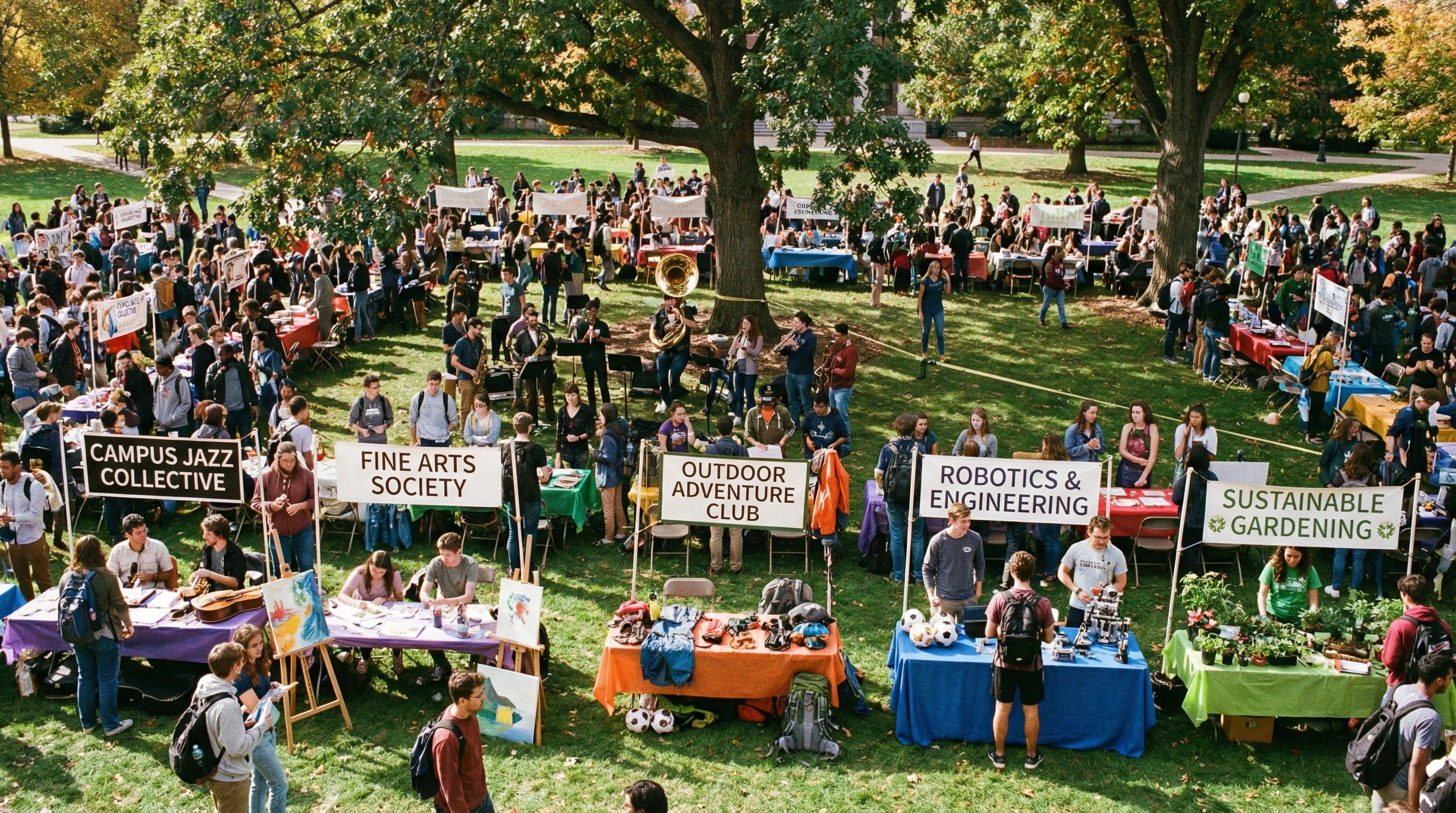
A university campus with a group of students gathered around club posters and activity tables underneath leafy trees. Banners, sports equipment, art supplies, and musical instruments are displayed on tables.

Building New Friendships and Connections

When I joined my first university club, I found it much easier to meet people who shared interests with me. Making friends in your classes is possible, but in clubs and societies, people are more relaxed since we’re there by choice and already have some common ground. Whether it’s a chess club or a cultural group, I get to interact with students from different majors and backgrounds. This makes it easier to connect and even build a support network that extends beyond the classroom.

Many clubs organize regular social events, meetups, and outings, which helped me feel included, especially during my first term. These events often include icebreaker games, movie nights, and group trips. Sometimes, club members form study groups together, which helped boost my academic performance as well.

The friendships I made in clubs often turned out stronger than those formed in lecture halls. I noticed club members keeping in touch even after graduation, sharing job leads or travel tips. Clubs provide a welcoming atmosphere where no one feels left out, and bonding over shared activities deepens relationships quickly. From late-night conversations at campus cafes to group hikes, these connections made my whole experience richer.

Developing New Skills

Clubs and societies became real learning environments for me outside normal lectures. For example, when I took on a committee role in a student organization, I had to figure out how to run meetings, handle club finances, and set up campus events. These jobs aren’t always easy, but I learned valuable skills like leadership, budgeting, event planning, and teamwork. Gaining these skills made a real difference when I started looking for part-time jobs and internships.

Creative clubs made me step out of my comfort zone, whether I was writing for the student newspaper or playing music in a group. Clubs often offer workshops on skills helpful in university and beyond, such as public speaking, coding, marketing, or graphic design. Taking advantage of these workshops let me build a toolkit I use even now.

Some clubs offer chances for project management—like running fundraising events or directing plays. These hands-on opportunities let me get a taste of responsibility, often with more room to experiment than in strictly academic settings. Getting involved on this level not only made my resume pop, but showed me where my strengths really lie.

Academic and Career Advantages

University clubs often invite guest speakers, run workshops, and set up networking events with alumni or industry professionals. When I joined the business society, I got the chance to attend a marketing workshop and meet people working in companies I admired. Experiences like these introduced me to career paths I hadn’t considered before. Some clubs offer career mentoring programs or help members prepare resumes and practice interview skills, which makes job hunting less intimidating later on.

Academic clubs and honor societies sometimes organize group study sessions or tutoring for members. I found that reviewing course material with others in my major made it easier to understand tough concepts. Seeing how other students approach coursework helped me fine-tune my own methods.

In some cases, being a club member gave me access to job shadowing programs, company visits, or case competitions. Getting responsibility early on helped me stand out in applications and interviews. Plus, recommendations from club faculty advisors added genuine weight to my internship applications.

Boosting Confidence and Self-Awareness

Joining clubs pushed me to try new things and take risks in a supportive environment. Running for a club officer role, giving my first group presentation, or managing club social media accounts helped me speak up and trust my skills. These small challenges built my confidence and taught me how to adapt when things didn’t go as planned.

Taking part in competitions or public performances through a club challenged me in ways a regular classroom couldn’t. Even when things got stressful, I realized I had a group to encourage and help me. Seeing progress in my abilities over time was really motivating and gave me a strong sense of achievement.

Every time I stepped into a new role—whether organizing an event or representing the club at a campus meeting—I learned more about my own capabilities. Getting real feedback from supportive peers helped me get a sense of what I do well and where I could improve.

Reducing Stress and Finding Balance

Studying full-time can be intense, but my club activities gave me a much-needed break from coursework. Clubs focused on sports, fitness, or creative arts encouraged me to move, create, and relax. Whether it was the weekly run with the outdoor society or painting during art club meetings, these experiences eased stress and kept my mood up.

Having a range of interests also helped me avoid burning out. Being part of a society meant there was always something positive to look forward to, maybe a club movie night, a soccer match, or a cooking class.

Some clubs promote mindfulness or mental health awareness. Participating in meditation or wellness sessions and just chatting with friends over snacks made my workload feel less heavy. The community vibe kept me grounded and reminded me to take care of my well-being.

Creating Lasting Memories and Campus Traditions

The memories I made in clubs became some of the most meaningful parts of my university life. Annual events like talent shows, debates, or themed balls created stories and photos to look back on. Collaborating on big projects or fundraisers taught me a lot about working toward a shared goal. Plus, helping organize a campus festival or volunteering for a club charity drive showed me how students can make a difference on campus and in the community.

Over time, small club traditions—like a secret handshake, an annual picnic, or a quirky chant before matches—created a sense of family and belonging that I never expected. These moments turned into core memories of university, ones I’ll share long after graduation.

Things You Might Want To Know Before Joining

Choosing from the many clubs on offer can feel overwhelming at first. I found it helpful to check out welcome fairs or browse online lists of societies before signing up. Trying out a few taster sessions meant I wasn’t locked into one group right away. If I never quite “clicked” with a club, it was fine to move on and try another one.

  • Time Commitment: Some clubs meet every week, while others get together only monthly. Checking this before signing up helped me balance activities with coursework.
  • Membership Costs: Most clubs ask for a small fee to help cover equipment, events, or club merchandise. If cost was a concern, I looked for free activities or clubs offering sponsored events.
  • Club Structure: Some clubs are chill and open to all, while others require auditions, elections, or applications. Understanding this up front avoided surprises for me as a new member.

Time Commitment

I sometimes worried about fitting club activities into a packed schedule. Before joining, I checked how often meetings or practice sessions were held. Talking with club leaders early on cleared up expectations, helping me avoid overcommitment.

Membership Costs

Some clubs may require a small joining fee or regular dues, usually to pay for supplies, trips, or social events. Most clubs make costs clear up front, and many have discounts or bursaries if you check in. Remember—clubs are student-led, and the money usually goes straight into activities and events for members.

Club Structure

Knowing how a club works makes joining less stressful. Clubs that compete or perform may use auditions, while others are open to anyone. Looking up club info online or chatting to club officers at recruitment events always gave me clear answers and took away any guesswork.

Practical Tips If You Want To Get Involved

From my own experience, checking the student union website or following university social media channels helped me track down clubs I never even knew existed. Attending the student activities fair early in the year was an easy way to ask questions and meet groups in person. Here are some extra tips:

  • Go to club taster sessions before making a commitment.
  • Ask current members what the club really does each week.
  • Don’t stress about leaving clubs that don’t fit with your interests or schedule—the key is finding the right vibe for you.
  • If there isn’t a club for a hobby you love, consider starting your own; most universities are happy to support new groups and help you get started.

Frequently Asked Questions About University Clubs and Societies

Question: What if I’m shy or unsure about joining?
Answer: Many clubs welcome new members, even if you feel a bit nervous at first. Taster sessions are built to introduce you to the club without any pressure. Most societies are friendly to first-timers, and I always found things got easier after the first couple of visits.


Question: Do clubs help with future job opportunities?
Answer: Employers look for candidates with real-life skills like communication, teamwork, and leadership. My experiences in club leadership, planning events, or creative roles helped my CV stand out and gave me great examples to use in interviews or cover letters.


Question: What kinds of clubs can I join?
Answer: Pretty much anything—academic, cultural, sports, arts, or career-focused. Every university is different, but you’ll usually find a good mix of clubs for hobbies, volunteering, charities, games, and outdoor fun.


Getting Started With University Clubs and Societies: My Experience

Signing up for a couple of clubs changed my university life for the better. My advice is to start with one or two groups that match your interests, then try more out over time. If the first club isn’t your thing, don’t hesitate to try another. Keeping an open mind made campus life more exciting and helped me truly feel at home.

Checking out clubs and societies isn’t just about filling up your schedule—it gives you friendships, skills, and memories that will last way beyond graduation. Taking that first step might feel intimidating, but thinking back, these are experiences I wouldn’t trade for anything.

Best Training Apps 2026

Training apps in 2026 are pretty amazing. Whether you’re aiming to get healthier, build new skills, or even train for a professional job, the right app can make reaching your goals simpler and a lot more fun. With so many new options out there, picking the best one can feel confusing at first. I’ve spent plenty of time trying out different training apps, checking user reviews, and watching the latest trends to help you decide what’s actually worth your time.

An array of futuristic app icons on a glowing digital interface with stylized graphs and progress charts, representing training and learning apps.

Why Training Apps Are More Popular Than Ever in 2026

Over the past few years, training apps have totally transformed how we learn and get better at new things. The market for learning, fitness, workplace skill building, and hobby apps has exploded; some estimates put the industry value well over $60 billion globally this year. This rise matches the widespread use of smartphones, tablets, and even wearable tech that makes training possible basically anywhere.

The push for remote work and hybrid lifestyles has meant more people rely on their phones to grow their knowledge, boost productivity, or stay in shape. It’s not just about convenience anymore. These apps now deliver personalized and interactive experiences that can make learning feel less like a chore and more like an upgrade to daily life.

In 2026, digital training tools have become a routine part of professional development and personal wellness. Smart reminders, adaptive content, and seamless integration with smart devices make continuous learning and habit building accessible for just about everyone, regardless of schedule or location.

How to Pick a Training App That Actually Works for You

With hundreds of choices on the app stores, narrowing it down to just a few can get overwhelming. I look at a few features that really matter:

  • Adaptive content: The best apps learn what challenges you and adjust difficulty or topics so you don’t get bored or too frustrated.
  • User-friendly design: An intuitive interface saves time and helps you stick with it.
  • Progress tracking: Motivation jumps up when you can clearly see your wins and areas to work on.
  • Engaging features: Whether it’s minigames, video lessons, or live feedback, fun features keep you coming back.
  • Community support: Access to forums, group challenges, or mentors creates extra accountability.

I also make sure to check for data privacy and the ability to use the app across multiple devices. These things save headaches and keep you on track long-term. Look for apps that offer easy exports of your progress and transparent privacy settings.

Top Categories of Training Apps in 2026

Training apps cover nearly every skill or goal these days, but some types have really taken off:

  • Fitness and wellness: Guided workouts, meditation, habit building, and nutrition trackers make healthy routines way easier.
  • Professional upskilling: Apps teaching programming, marketing, finance, or design are everywhere, often tied to job certifications or micro credentials.
  • Language learning: Tools like Volcanos and Speak Flow add AI tutoring and real world conversation practice so you can actually use your new language fast.
  • Creative skills: Art, music composition, and digital design apps come with lessons, feedback, and creative challenges.
  • Personal development: Everything from mindfulness to leadership to productivity hacks is now just a tap away.

Some apps mix two or more of these, like fitness apps with built-in mindfulness routines or language apps linked to cultural lessons, giving users a more holistic approach.

Quick Guide to Getting the Most Out of Any Training App

I’ve learned a lot trying apps across these categories. Here’s what helps me (and others I know) actually see progress:

  1. Set a clear goal: Instead of just downloading an app and hoping it helps, get specific. Do you want to run a 5K, pass a certification, or learn meditation basics?
  2. Stick with scheduled reminders: Most modern apps nudge you with reminders tailored to your preferred times. Letting those work for you can build a solid habit.
  3. Use the feedback: Take the time to read or watch any performance feedback and apply it. That’s usually how you get quick improvements.
  4. Join the community: Whether you post in a forum or compete in group challenges, seeing others progress can give you an extra push.
  5. Review your results: Checking your stats once a week (instead of just mindlessly opening the app) can help you spot trends and stay encouraged.

A smart approach is to integrate app insights with your daily life; some apps now provide journal functions or summaries you can review weekly, making it easier to adjust approaches as needed.

Common Challenges People Face with Training Apps

Nothing’s perfect, so I should mention some common bumps you might hit (and how to deal with them):

  • Motivation fades: Early excitement doesn’t always last. Mixing up your training routine and joining group challenges usually helps.
  • Too much tech: Sometimes, all the features and popups feel overwhelming. Picking apps with clean, simple menus helps you focus more.
  • Hitting a plateau: Plenty of users lose steam when progress slows. That’s often a sign to try a higher difficulty or new lesson style.
  • Subscription fatigue: With more apps moving to subscription based plans, budget and value matter. I always check trial periods to be sure it’s worth sticking with.

Motivation Fades

Almost everyone feels this at some point. I find that setting up little rewards (like a treat or a night out) for sticking with a routine can make a big difference. If the app lets you customize your adventure or set mini challenges, use those to break things up.

Too Much Tech

Having endless buttons, tabs, and popups can be distracting. I usually turn off non-essential notifications and pick apps where the main screen is focused on your daily action, not every feature all at once.

Plateau Problems

When you stop seeing progress, look for new modules or extra lessons. Many apps in 2026 use AI to suggest fresh challenges when you hit a wall, which can make things more interesting and dynamic.

Subscription Fatigue

If you’re juggling too many paid apps, try out a few all-in-one options or look for those that offer decent free tiers. Sometimes rotating your subscriptions month to month based on what you’re working on helps keep costs lower.

Most of these issues can be worked around if you’re willing to tweak things or switch up your approach now and then. Keeping your main motivation front and center is the real trick.

Advanced Features in Today’s Best Training Apps

The best apps in 2026 come packed with some pretty exciting tech. Here are a few features I think make a real difference:

AI powered adaptation: Many apps now use AI to analyze your learning speed and mistakes, then adjust the material in real time. If you nail a skill, you move on faster; if you struggle, you get more practice or hints.

Wearable device sync: Fitness and wellness apps especially connect to smartwatches and even AR glasses, offering live feedback on your movement, posture, or heart rate.

Social and coaching support: Top apps make it easy to chat with live coaches or mentors or join friendly competitions. You can also find expert-led workshops integrated into some of the most popular platforms.

Gamified learning: Unlockable levels, badges, and digital rewards turn tough training into more of a game, which keeps things fun and motivating over time.

Nearly all of these apps have cloud syncing too, so you can pick up where you left off from any device without missing a beat. This flexibility is especially important for people with unpredictable schedules or who juggle multiple roles throughout the day.

Real-World Ways People Use Training Apps

Practical uses for these apps are everywhere. I’ve seen friends and colleagues take language vocab tests on the train, squeeze in core workouts between meetings, or knock out an online micro certification on a coffee break. One friend even used a public speaking training app to prep for a huge presentation, practicing with AI avatars and real-time feedback. It worked out way better than just rehearsing alone in front of a mirror.

  • Fitness professionals: Many use training apps to generate client routines, track results, and deliver feedback in real time.
  • Language enthusiasts: Quick daily reminders and streaks help build fluency faster.
  • Office teams: Some companies integrate upskilling apps for onboarding, rolling out bite sized lessons everyone can do together, even remotely. This builds camaraderie and keeps everyone learning at the same pace.
  • Creatives: Digital art, music, or editing apps help build a daily creative habit and gather rapid feedback from an online community. Many collaborative apps even let you share your work instantly for review.

The impact of training apps goes beyond just personal use. Schools and nonprofits have started using them to offer affordable skill development to wider audiences, especially in underserved communities, opening up opportunities like never before.

Frequently Asked Questions

Here are a few questions I get a lot when people ask about training apps in 2026:

Question: How do I know if a training app is really working?
Answer: Tracking your skill stats, goal streaks, or workout numbers over a few weeks usually gives you a good idea. If the app uses AI or offers tailored feedback, you can often spot progress right inside the dashboard.


Question: Are training apps safe for my personal information?
Answer: Look for apps with transparent data practices, like clear privacy policies and easy to use opt outs. Reading current user reviews helps spot any issues early on.


Question: Do I need a subscription to get real value from these apps?
Answer: Some of the best apps offer free tiers, with the option to upgrade if you want advanced features. Taking advantage of trial periods lets you see what you actually use before paying.


Final Thoughts on Training Apps in 2026

Finding the right training app can totally change how you learn, grow your skills, or even stay on top of your health goals. With smarter tech, built-in support communities, and loads of creative features, there’s pretty much an app for any goal you have in mind. Testing a couple and finding one that makes you excited to keep going is the best way to get lasting results. You might also stumble upon new passions—and maybe have some fun along the way.

Best Practices For Online Learning Engagement

Engaged online classroom graphic

Getting people truly engaged with online learning is more than just showing up for a Zoom call or clicking through slides. It’s all about sparking curiosity, making lessons interactive, and helping learners feel supported, even when everyone’s working from their own corner of the world. Whether you’re running a virtual classroom, building a selfpaced course, or supporting corporate training, a handful of time-tested strategies can breathe new life into the online learning scene.

If you’re after stronger results from your online learning setup, check out these top practices for keeping things lively and interactive. These ideas will come in handy for teachers, students, and instructional designers alike.

Understanding Online Learning Engagement

What Makes Online Engagement Different?

In-person classes naturally build a sense of community. The small talk before class starts, group projects, and face-to-face questions all happen easily. Online, these moments don’t just happen; engagement needs to be planned and intentionally built into the course. It means more than basic participation—I look for signs that learners are thinking deeply, working together, and applying what they’re learning. There are also more distractions online than in a classroom, so it takes extra effort to keep people plugged in.

Who Benefits from Increased Engagement?

  • Learners looking for stronger connections and better outcomes
  • Instructors hoping for higher course completion rates
  • Organizations aiming to boost training ROI and retention

Common Barriers to Engagement

  • Lack of personal interaction with instructors or peers
  • Tech problems or confusing user interfaces
  • Content that doesn’t feel relevant to real-life situations
  • Everyday distractions or busy home routines

Top Strategies for Encouraging Online Participation

  1. Switch Up Content Types
    Why This Helps: Nobody loves staring at a lecture video for hours. Switching between formats—like reading, videos, live sessions, and quizzes—keeps things fresh and grabs learners’ attention. Try mixing short video lessons, interactive infographics, and quick polls throughout the course.
  2. Use Interactive Tools and Features
    Why This Works: Tools like live polls, virtual whiteboards, and discussion forums invite real-time feedback and get everyone’s voices in the mix. Apps such as Kahoot and Padlet are fantastic for making learning fun and energetic. Good discussion boards encourage a two-way dialogue.
  3. Set Clear Expectations from the Start
    Why You Want This: When people know what’s coming—like how often to check discussion boards or when assignments are due—they can participate more confidently. I always share a thorough course overview right up front, alongside regular reminders so no one gets lost.
  4. Create Opportunities for Collaboration
    How This Pays Off: Group projects, peer reviews, and team activities help learners build connections and tap into each other’s strengths. Things like breakout rooms in Zoom or shared Google Docs for group work help everyone stay included and involved.
  5. Give Fast, Friendly Feedback
    Why This Matters: Fast feedback is a game-changer. Whether it’s a private message, a shoutout in class, or assignment comments, letting people know where they stand keeps motivation high and shows that their work matters.

Key Features of Successful Online Learning Environments

  1. Easy to Use Platforms
    Clunky systems zap energy right from the beginning. Courses should use platforms where it’s simple to find lessons, turn in work, and check grades. Walking everyone through the course layout on day one can clear up a ton of confusion.
  2. Mobile Compatibility
    A ton of learners use tablets or phones to keep up with coursework. Platforms and content have to work well everywhere so nobody falls behind.
  3. Flexible Scheduling
    Life gets busy. Letting learners study at their own pace, catch up with recordings, or submit assignments as they can makes it way easier for everyone to stay connected.
  4. Accessibility for Everyone
    Features like captions, screen reader compatibility, and alternative text open doors for all learners. I always double-check these features myself before launching new lessons.
  5. Strong Community Features
    Online learning shouldn’t feel lonely. Places for casual chat—like group chats or watercooler forums—help people connect and turn a list of names into a team.

Choosing Activities That Boost Engagement

  • Scenario based simulations: Let folks apply what they’ve learned to real world problems.
  • Microlearning: Bite-sized lessons suit busy schedules and help information stick better.
  • Gamification: Points, badges, or progress bars get people excited to keep going and reach new goals.
  • Regular Q&A sessions: Dedicated time for open ended questions and discussion of tricky topics.
  • Reflection prompts: Encourage everyone to pause and think about what they’ve picked up and how it ties back to daily life.

Balancing Structure With Flexibility

Finding that balance between clear structure and flexibility can be tricky. Regular check ins, flexible office hours, and adaptable deadlines help keep learners engaged while respecting their busy lives. Posting pre-recorded lessons and scheduling a few live sessions also helps your course fit all kinds of time zones and calendars.


User Reviews & Real-World Feedback

  • Students say interactive activities and group projects make courses feel personal and inclusive.
  • Instructors report that anonymous surveys and frequent polls help them spot trouble as it’s brewing.
  • Organizations see higher course completion and satisfaction rates when learners receive regular feedback along the way.

General Reputation: Online learning experiences that blend a range of content types, encourage conversation, and use simple, reliable tech tools get the best reviews. Learners tend to stick with these courses, and they’re more likely to suggest them to friends or colleagues.


Quick Recap: My Top Tips for Online Learning Engagement

  • Switch up content types to keep lessons fresh and lively.
  • Use tools that make interacting fun—think live polls, games, and discussion boards.
  • Set expectations clearly from day one and keep everyone in the loop.
  • Create plenty of group activities for people to work together.
  • Offer fast, specific feedback so learners always know how they’re doing.

Online learning isn’t about copying what happens in a physical class. It’s about making engagement feel natural in a digital space. By building in flexibility, fostering community, and staying alert to what learners need, you can create an experience people are actually excited to join in on.

Top In-Demand Tech Careers in 2026

As we move through 2026, the technology sector is no longer just a “vertical” industry; it has become the horizontal foundation for every global enterprise. If 2024 was the year of AI experimentation and 2025 was the year of implementation, 2026 is officially the year of AI Autonomy and Resilience.

The “easy tech jobs” of the past decade have vanished, replaced by high-impact roles that require a blend of deep technical specialization and “human-centric” business acumen. Whether you are a fresh graduate or a seasoned professional looking to pivot, understanding the landscape of careers in tech 2026 is vital for long-term career stability.

1. The Rise of Agentic AI and ML Engineering

The most significant shift in 2026 is the transition from simple chatbots to Agentic AI. Organizations are now deploying autonomous agents capable of executing end-to-end business processes—from managing supply chains to real-time financial auditing.

In-Demand Roles:

  • AI/ML Engineers: These specialists are no longer just training models; they are architecting the “agentic” ecosystems. Mastery of Python, TensorFlow, and frameworks like LangChain is now the baseline.
  • AI Product Managers: There is a massive demand for professionals who can translate machine learning capabilities into scalable, user-centric products.
  • AI Ethics & Governance Leads: With new regulations (such as the evolved EU AI Act), companies are hiring experts to ensure their autonomous systems are unbiased, transparent, and compliant.

Salary Insight: Mid-to-senior AI Engineers are commanding salaries between $140,000 and $180,000+ in the U.S. and £85,000+ in the UK.

2. Cybersecurity: The Defense Against the Dark Bots

As AI empowers developers, it also empowers bad actors. In 2026, cyberattacks are often automated by “adversarial AI,” making traditional perimeter security obsolete. This has pushed the industry toward Zero Trust Architectures and AI-driven threat detection.

Key Specializations:

  • Identity and Access Management (IAM) Specialists: Managing “who” and “what” (including non-human agents) has access to data is the top priority for CIOs this year.
  • Cloud Security Architects: As multi-cloud environments become the standard, those who can secure AWS, Azure, and GCP simultaneously are highly prized.
  • Cyber-Physical Systems (CPS) Security: Protecting IoT devices in healthcare and smart manufacturing is a breakout niche for 2026.

3. The New Backbone: Cloud, DevOps, and Platform Engineering

The “DevOps” title is evolving. In 2026, we see a heavy lean toward Platform Engineering—building internal developer platforms that allow software engineers to deploy code without worrying about the underlying infrastructure.

Emerging Trends:

  • FinOps (Cloud Cost Optimization): Organizations are tired of “cloud sprawl.” FinOps specialists who can use data to reduce cloud waste and connect consumption to business value are seeing a 30% surge in job postings.
  • Site Reliability Engineers (SRE): Ensuring that complex, AI-integrated systems remain performant at scale is more difficult than ever, keeping SREs at the top of the pay scale.

4. Data as the New Energy: Engineering and Analytics

Data is no longer just stored; it is “refined” in real-time. In 2026, the focus has shifted from “Big Data” (volume) to Data Quality and Real-Time Pipelines.

  • Data Engineers: Building the “pipes” for AI agents is one of the most stable jobs in 2026. If the data is dirty, the AI agent fails.
  • Data Scientists (Hybrid Roles): The “pure” researcher role is becoming rarer. Today’s Data Scientists are expected to understand MLOps—ensuring their models actually work in a production environment.
  • Analytics Storytellers: As data becomes more complex, the ability to explain “the why” to non-technical stakeholders via advanced visualization tools like Power BI and Tableau is a critical differentiator.

5. Green Tech and Biotech: The Convergence Frontiers

Tech is no longer just software. Two massive sectors are hiring technical talent at record rates in 2026:

  1. Green Energy Tech: Renewable energy engineers and EV infrastructure technicians are needed to manage the digital grids of the future.
  2. Biotech & Bioinformatics: The digitization of drug discovery has created a “digital renaissance” in pharma. If you have skills in both coding and biology/chemistry, you are essentially “un-fireable” in 2026.

6. Essential Skills for 2026: Beyond Coding

If you want to stay relevant, “hard skills” are only half the battle. The most successful tech workers in 2026 share these traits:

  • AI Literacy: You don’t need to build AI, but you must know how to use it. Prompt engineering is now considered a foundational skill, much like typing was in the 90s.
  • Systems Thinking: The ability to see how a small change in a microservice affects the entire global ecosystem.
  • Soft Skills (The “Human Premium”): As machines take over the logical heavy lifting, the “soft” stuff—negotiation, empathy, and strategic ethics—becomes your most valuable asset.

7. Education in 2026: Degrees vs. Skills-Based Hiring

The “Degree vs. Bootcamp” debate has reached a conclusion: Skills-Based Hiring is king. While a Computer Science degree remains a strong foundation, many top firms (including those in government and finance) are prioritizing certifications and “proof of work” portfolios.

  • Fast-track paths: Certifications in Cybersecurity (CISSP/Security+) or Cloud (AWS Solutions Architect) are often enough to land high-paying roles when combined with practical experience.
  • Reskilling: Nearly 40% of tech workers will need to reskill by 2030. If you aren’t learning a new tool every six months, you are falling behind.

Conclusion: How to Future-Proof Your Career

The tech job market of 2026 rewards the specialist who can communicate. To thrive:

  1. Pick a niche (AI, Security, or Cloud) and go deep.
  2. Master the tools of efficiency (AI-assisted coding and project management).
  3. Build a public portfolio that shows you can solve “expensive” problems.

The future of tech isn’t about the machines replacing us; it’s about the people who know how to build, secure, and guide those machines to solve the world’s biggest challenges.

Frequently Asked Questions (FAQ)

What is the highest-paying tech job in 2026? AI/ML Architects and Enterprise Security Architects are currently leading, with total compensation packages often exceeding $200k in major tech hubs.

Can I get into tech without a degree in 2026? Yes. Fields like Cybersecurity Analysis, Data Analysis, and UX/UI Design are very accessible via specialized bootcamps and certifications.

Will AI replace software developers by 2027? No. It is replacing the repetitive parts of coding. Developers in 2026 act more like “System Orchestrators” who manage AI-generated code to build complex applications.

Best Online Courses For Career Development

Laptop with online course platform open

Finding the right online course plays a big part in moving my career forward. With so many platforms and unique courses out there, choosing the one that truly helps me reach my goals can feel overwhelming. I see online learning as a flexible and affordable way to pick up new skills, get industry certifications, or even totally switch into a new field. Over the past few years, I’ve researched the best courses, tried many of them myself, and figured out which ones actually deliver real results for career development.

Some platforms focus just on popular job skills or specific industries, while others offer broader courses covering general workplace abilities. I always search for courses that are clear, current, and packed with value—something that adds to my resume or directly helps me at work. Whether I want to sharpen technical skills, grow leadership abilities, or stay competitive, the online options are strong. Here’s my guide on how to find courses that can truly make a difference in your career path.

Understanding Online Courses for Career Development

What Are Online Career Development Courses?

When I mention online career development courses, I mean structured classes delivered over the internet to help me build or improve specific skills. These classes can teach technical abilities like coding, project management, or graphic design, as well as professional skills such as communication, leadership, or time management. The courses may come from universities, private companies, or famous online platforms, and usually include video lessons, assignments, and sometimes live feedback from instructors.

Who Should Consider These Courses?

  • Anyone looking to move up in their current job or qualify for a new position
  • Recent graduates building jobready skills and experience
  • Professionals considering a career switch or new industry
  • People who want to learn at their own pace without the high cost of traditional education

Online Course Pros & Cons

Pros:

  • Flexible schedule; learn whenever it fits your life
  • Tons of topics out there, from beginner to advanced, including certifications
  • Many affordable or even free courses available

Cons:

  • Less personal interaction than inperson learning
  • Selfdiscipline is needed to finish courses and keep motivated
  • Some certificates may not carry the same weight as university degrees

Top Online Course Platforms for Career Growth

Coursera

Coursera works with wellknown universities and industry leaders to put out a huge range of courses and specializations. I like that many options provide certificates employers recognize, and some even count toward real degrees. For example, I used Coursera to check out project management and sharpen data analysis skills with guidance from excellent instructors at the University of Michigan.

  • Strength: Highquality content and widely accepted certification
  • Best for: Those interested in professional certificates or study at the degree level

LinkedIn Learning

LinkedIn Learning is my go-to for business, tech, and creative skills. Since the lessons are concise and focused, I can finish courses quickly and add badges directly to my LinkedIn profile. I’ve used it to update my Excel knowledge and pick up management basics, which helped in recent job applications.

  • Strength: Short, jobfocused courses with easy LinkedIn integration
  • Best for: Busy professionals wanting to boost specific workplace skills

Udemy

Udemy stands out by offering one of the widest ranges of topics, with thousands of courses created by experts and everyday professionals. I appreciate finding current tech tutorials and unique personal development lessons at low prices—often on sale. I’ve grabbed practical skills here, such as learning new software and solving problems I faced at work.

  • Strength: Huge variety and affordable onetime purchase price
  • Best for: Learners seeking specific hands-on skills or workshopstyle content

edX

edX brings universitylevel learning online, sometimes for free, with the option to pay for a recognized certificate. When I wanted to learn about computer science and business strategy, edX gave me deep academic content but in an accessible online format. You can work toward a MicroMasters, which covers material in more depth than a basic online class.

  • Strength: Academic quality and top university partners
  • Best for: Learners aiming for advanced credentials or academic depth

Google Career Certificates

Google offers professional certificates via Coursera that target highdemand areas like IT support, project management, and data analytics. I tried the IT Support Certificate and found it designed for job readiness, even if you don’t have a tech background. The lessons are hands-on, helping close the gap for entrylevel jobs fast.

  • Strength: Focused on quick entry into growing fields
  • Best for: Career changers and jobseekers new to the field

Comparing Key Features That Matter Most

  1. Course Quality & Relevance
    What to Look For: I always check who created the course, how often it’s updated, and if there are real-world projects. For career development, picking content that’s relevant for my field and has a clear structure is important.
    Winner: Coursera and edX, thanks to university and industry involvement.
  2. Certification & Employer Recognition
    What to Look For: Industryrecognized certificates, microcredentials, or badges for my resume or LinkedIn. It helps employers double-check my new skills.
    Winner: Google Career Certificates, Coursera, LinkedIn Learning.
  3. Price & Value
    What to Look For: Course price, subscription value, and trial options. I balance the course’s likely career return versus what I invest.
    Winner: Udemy (super affordable), LinkedIn Learning (good for growing skills over time).
  4. Ease of Use & Flexibility
    What to Look For: A platform that’s simple to steer through, keeps track of progress, and offers downloads. Learning on my own schedule matters a lot.
    Winner: LinkedIn Learning and Udemy, both easy to use and flexible.
  5. Support & Community
    What to Look For: Access to instructor help, helpful learner forums, and postcourse job guidance.
    Winner: Coursera (good peer support and academic help), LinkedIn Learning (strong job tools).

User Opinions & Industry Reputation

  • Coursera: Highly rated for ties with universities and solid realworld value; just be prepared for some time commitment.
  • Udemy: Great for variety and price. Course quality can vary, so I stick to highly rated and reviewed options for best results.
  • LinkedIn Learning: Smooth experience, easy for showing skills to employers, though most content is business and creative-focused.
  • edX: Known for academic excellence. Classes can be tough, but that recognition pays off for dedicated learners.
  • Google Career Certificates: Popular for making job switches into tech fields easier—employers like these targeted, jobready programs.

Overall Community Feedback: Online reviews and polls from sites like Class Central and Reddit show Coursera and LinkedIn Learning are favorites for careerboosting skills and certification.


How to Choose the Right Course for Your Career Goals

The best online course depends on my specific job goals and preferred learning style. Before signing up, I always look for these signs:

  • Clear outcomes with skills you can use right away
  • High ratings, solid reviews, and recently updated lessons
  • Certificate or badge is respected in your industry
  • Interactive assignments plus active support or learner forums
  • A price that matches the real career value of the course

I also try out free previews and trial periods to be sure the course’s style clicks with me. Good research helps learners make smart choices, boosting results and opening better career doors.


My own experience with online learning confirms that, with the right course and some effort, anybody can grow new skills and move up professionally. Whether you want a promotion, a total career switch, or you just enjoy learning cool new things, there’s an online course that fits your goals. The key is doing a little homework up front; then you can really set yourself up for long term success.

Best Careers In Tech 2026

Technology keeps changing fast, opening up new career possibilities every year. When I first started looking into tech careers, I was surprised by how many different roles existed beyond just software development. With 2026 coming up fast, the best tech jobs are mixing it up, shaped by new advancements in AI, cloud computing, cybersecurity challenges, and the growing need for people who can bridge business and technology. I’m sharing this practical guide to the best careers in tech for 2026, so you can plan your future or help someone heading into this field.

A futuristic office with different types of tech equipment, glowing screens, and circuit patterns reflecting modern technology jobs

Understanding the Tech Job Landscape in 2026

The technology sector in 2026 is expected to keep growing. I’ve watched as companies across every industry, from healthcare to retail, rely more on technology not just to operate, but to lead in their fields. This rapid digital transformation creates new job titles and skills that weren’t common even a few years ago. According to a report from the U.S. Bureau of Labor Statistics, roles like software developers, data scientists, and cybersecurity analysts are projected to increase steadily.[Source]

There’s also a bigger focus on hybrid skills now, meaning employers want people who not only can code or manage databases but who can also communicate with teams, understand business goals, and help solve problems with technology. So when looking at the best careers, I make sure to consider roles where these skills overlap as well.

Top Tech Careers to Watch in 2026

Some jobs have proven to be consistently valuable in tech, while others are becoming more important due to mix ups such as artificial intelligence, increased online security needs, and cloud technology. Here are some of the tech careers I think you’ll really want to consider heading into 2026:

  • AI & Machine Learning Engineer: I’ve seen AI and machine learning touch everything, from smart assistants to fraud detection to personalized healthcare. Demand is strong for people who can build, train, and maintain systems that learn and make decisions with data. If you enjoy working with algorithms, large data sets, and coding, this path opens a lot of doors.
  • Cybersecurity Analyst: With online threats becoming more complex, organizations need experts who know how to protect information and prevent attacks. I find this field interesting because every day brings a new kind of challenge, tracking suspicious activity, testing systems for weaknesses, and staying ahead of hackers.
  • Cloud Solutions Architect: As companies move their data and applications to cloud systems like AWS, Azure, or Google Cloud, architects who know how to design secure and efficient cloud solutions are in high demand. This career involves blending coding skills with an understanding of network security and cost-effective resource management.
  • Data Scientist/Analyst: More companies want to understand their data to make smarter decisions. Data scientists use statistical methods, AI, and visualization tools to predict trends and uncover patterns. You’ll need good math skills and a curiosity to dig into what the numbers really mean.
  • DevOps Engineer: Bridging the gap between development and operations, DevOps engineers automate processes and monitor performance to improve how software is built, tested, and released. I appreciate this role because it lets you impact the whole lifecycle of a project.
  • Product Manager for Tech: Not every role is purely technical. Product managers lead cross functional teams, shaping technology products from the ground up. Communication and organizational skills matter as much as understanding what’s possible with code and hardware.
  • UX/UI Designer: Creating user friendly experiences is really important as apps and devices play a bigger part in our lives. UX/UI designers research, test, and craft digital interfaces so they are easy and enjoyable to use. This combines creativity with technical knowledge and empathy for users.

How To Break Into These Tech Careers

Getting started in tech doesn’t always require a computer science degree, though it helps for some advanced positions. In my experience, plenty of people have broken in through coding bootcamps, online certifications, or by building projects on their own. Here are some steps I’d recommend to anyone considering a tech career in 2026:

  1. Choose a Focus: Take the time to check out each role. If you love working with numbers and patterns, data science or AI might fit you. If you’re hands on and like fixing problems, DevOps or cybersecurity could be right for you.
  2. Build Core Skills: Learn programming languages like Python, JavaScript, or SQL. For designers, tools like Figma or Adobe XD are good places to start. There are free and paid resources everywhere, including Coursera, edX, and Khan Academy.
  3. Work on Personal Projects: Building something on your own (like a website, app, or cloud based tool) helps showcase your interest and shows employers you can apply your skills outside the classroom.
  4. Earn Certifications: Industry recognized certifications in cloud computing (AWS, Azure), cybersecurity (CompTIA, CISSP), or data (Google Data Analytics) help boost your resume, especially for entry level roles.
  5. Network & Get Experience: Join tech meetups, conferences, or online communities. Paid internships, freelance gigs, or opensource contributions all provide valuable experience and connections.

Common Challenges For New Tech Professionals

Getting started in tech can feel overwhelming, but almost everybody faces a learning curve. Here are a few common challenges and some advice that’s helped me or my friends who’ve started out recently:

  • Imposter Syndrome: It’s normal to doubt your abilities, especially in a field where things are always changing. Keep learning, ask questions, and remember that everyone started somewhere.
  • Keeping Up With New Tools: In tech, there’s always a new framework or tool coming out. Focusing on the fundamentals, problem solving, coding basics, and clear communication makes it easier to pick up new technologies as you go.
  • Applying Theory in Practice: What you learn in books or tutorials doesn’t always line up perfectly with real world jobs. Doing hands on projects, working with others, and learning from more experienced mentors can ease this transition.
  • Remote or Hybrid Work: Many tech jobs in 2026 are remote or hybrid. Managing your own schedule, staying motivated, and communicating clearly online are all really important skills.

Imposter Syndrome

I remember my first day working in tech. I felt like I had snuck into the wrong room. Connecting with peers and asking for feedback helped me build confidence. Most teams understand that tech is a constant learning game.

Keeping Up With New Tools

With so many new libraries and tools, picking a few core languages and following trusted thought leaders or tech blogs helped me filter out what was worth my attention.

Transitioning From Learning to Real Work

Internships, hackathons, and freelance projects let me see how code and business goals connect. Volunteering for a nonprofit tech project is also a great way to build experience and references.

Working Remotely

Remote work gives flexibility, but staying organized and checking in regularly with teammates helps avoid feeling isolated or offtrack with projects.


Advanced Tips For Advancing Your Tech Career

Once you feel comfortable with your basic skills and have those first projects or internships under your belt, here’s what I’ve found really takes a tech career further:

Specialize Over Time: After exploring different roles, I found it helpful to narrow my focus to an area that held my interest long-term. Specializing in areas like cloud security or AI ethics made my profile pop up for specific opportunities. It can also lead to higher pay and more interesting projects in the long run.

Communicate Clearly: Being able to say technical concepts clearly to nontechnical people (like customers or business team members) took me a long way, especially in meetings or job interviews. Practicing this skill sets you apart. It’s useful when you’re trying to show how your work connects to actual business needs.

Stay Curious: I block out time every week to read about new trends or test out new tools, even if they’re not directly related to my current job. This habit keeps me ready for changes and gives me ideas for my projects. Tech changes fast, so a little curiosity goes a long way.

Mentor or Team Up: I learned a lot by pairing up with people from different backgrounds, whether designers, marketers, or data analysts. Teaching others also helped clarify gaps in my own knowledge. If you spot a coding club or online group, jump in and help out. It builds your rep and your skill set.

Keep Your Portfolio Fresh: Don’t stop building. Update your online portfolio or GitHub profile with recent work and new skills. Recruiters and hiring managers often look for these for a quick check. Personal projects, open source contributions, or even tech blogs help showcase your growth journey.

Real-World Impact of Tech Careers in 2026

Working in tech in 2026 means more than just staying busy with code. These jobs help build the future. Tech professionals are setting free tools that improve society, from smarter health care tech to better options for fighting climate change or organizing remote classrooms. For example, I have friends working on AI apps that monitor crops to help farmers use less water, and others on cybersecurity teams protecting hospitals from ransomware. Tech careers leave a visible mark on society, making them both rewarding and meaningful.

  • Healthcare Technology: Developing patient portals or AI diagnosis tools can speed up care while making it safer.
  • Green Tech: Engineers who work on energy efficient software or hardware help lower pollution and waste. Sustainability is a fast growing area, and tech can have a big impact here—think smarter energy grids, electric car software, or ecofriendly data centers.
  • Fintech: Designing secure mobile payment apps lets more people access banking services, even if they don’t live near a branch. Tech professionals in this space are helping to bring financial tools to people worldwide, which can really change communities.
  • Remote Collaboration Tools: There’s also a growing demand for apps that help distributed teams work smoothly together. In 2026, being part of systems that keep people connected and productive—no matter where they are—makes a difference everywhere, from education to business to healthcare.

Frequently Asked Questions About Tech Careers

Newcomers to tech often have similar questions. Here are a few that come up a lot when I talk to career changers or students:

Question: Can I start a tech career without a four year degree?
Answer: Yes. Many people enter tech through coding bootcamps, certifications, or by building a portfolio of real projects. Some tech jobs require degrees, but plenty do not if you can show your skills elsewhere.


Question: What skills are most valuable in tech for 2026?
Answer: Programming (Python, JavaScript), cloud computing, data analysis, cybersecurity, and communication skills are among the most sought-after. The willingness to adapt and keep learning is also key. Employers love those who can pick up new tools and aren’t afraid to try new things.


Question: How do I know which tech field is right for me?
Answer: I recommend exploring free online tutorials in several areas—coding, design, data, or security—then picking the one you enjoy building with the most. Talking to professionals or shadowing someone in the field also helps. Don’t be afraid to experiment; your first pick doesn’t lock you in forever.


Checking out tech careers now prepares you for a future full of opportunity and new challenges. By learning the basics, picking a focus, and building real projects, you make yourself ready for a field that never stands still.

Start an Online Career HERE👍