Best Careers In Tech 2026

Technology keeps changing fast, opening up new career possibilities every year. When I first started looking into tech careers, I was surprised by how many different roles existed beyond just software development. With 2026 coming up fast, the best tech jobs are mixing it up, shaped by new advancements in AI, cloud computing, cybersecurity challenges, and the growing need for people who can bridge business and technology. I’m sharing this practical guide to the best careers in tech for 2026, so you can plan your future or help someone heading into this field.

A futuristic office with different types of tech equipment, glowing screens, and circuit patterns reflecting modern technology jobs

Understanding the Tech Job Landscape in 2026

The technology sector in 2026 is expected to keep growing. I’ve watched as companies across every industry, from healthcare to retail, rely more on technology not just to operate, but to lead in their fields. This rapid digital transformation creates new job titles and skills that weren’t common even a few years ago. According to a report from the U.S. Bureau of Labor Statistics, roles like software developers, data scientists, and cybersecurity analysts are projected to increase steadily.[Source]

There’s also a bigger focus on hybrid skills now, meaning employers want people who not only can code or manage databases but who can also communicate with teams, understand business goals, and help solve problems with technology. So when looking at the best careers, I make sure to consider roles where these skills overlap as well.

Top Tech Careers to Watch in 2026

Some jobs have proven to be consistently valuable in tech, while others are becoming more important due to mix ups such as artificial intelligence, increased online security needs, and cloud technology. Here are some of the tech careers I think you’ll really want to consider heading into 2026:

  • AI & Machine Learning Engineer: I’ve seen AI and machine learning touch everything, from smart assistants to fraud detection to personalized healthcare. Demand is strong for people who can build, train, and maintain systems that learn and make decisions with data. If you enjoy working with algorithms, large data sets, and coding, this path opens a lot of doors.
  • Cybersecurity Analyst: With online threats becoming more complex, organizations need experts who know how to protect information and prevent attacks. I find this field interesting because every day brings a new kind of challenge, tracking suspicious activity, testing systems for weaknesses, and staying ahead of hackers.
  • Cloud Solutions Architect: As companies move their data and applications to cloud systems like AWS, Azure, or Google Cloud, architects who know how to design secure and efficient cloud solutions are in high demand. This career involves blending coding skills with an understanding of network security and cost-effective resource management.
  • Data Scientist/Analyst: More companies want to understand their data to make smarter decisions. Data scientists use statistical methods, AI, and visualization tools to predict trends and uncover patterns. You’ll need good math skills and a curiosity to dig into what the numbers really mean.
  • DevOps Engineer: Bridging the gap between development and operations, DevOps engineers automate processes and monitor performance to improve how software is built, tested, and released. I appreciate this role because it lets you impact the whole lifecycle of a project.
  • Product Manager for Tech: Not every role is purely technical. Product managers lead cross functional teams, shaping technology products from the ground up. Communication and organizational skills matter as much as understanding what’s possible with code and hardware.
  • UX/UI Designer: Creating user friendly experiences is really important as apps and devices play a bigger part in our lives. UX/UI designers research, test, and craft digital interfaces so they are easy and enjoyable to use. This combines creativity with technical knowledge and empathy for users.

How To Break Into These Tech Careers

Getting started in tech doesn’t always require a computer science degree, though it helps for some advanced positions. In my experience, plenty of people have broken in through coding bootcamps, online certifications, or by building projects on their own. Here are some steps I’d recommend to anyone considering a tech career in 2026:

  1. Choose a Focus: Take the time to check out each role. If you love working with numbers and patterns, data science or AI might fit you. If you’re hands on and like fixing problems, DevOps or cybersecurity could be right for you.
  2. Build Core Skills: Learn programming languages like Python, JavaScript, or SQL. For designers, tools like Figma or Adobe XD are good places to start. There are free and paid resources everywhere, including Coursera, edX, and Khan Academy.
  3. Work on Personal Projects: Building something on your own (like a website, app, or cloud based tool) helps showcase your interest and shows employers you can apply your skills outside the classroom.
  4. Earn Certifications: Industry recognized certifications in cloud computing (AWS, Azure), cybersecurity (CompTIA, CISSP), or data (Google Data Analytics) help boost your resume, especially for entry level roles.
  5. Network & Get Experience: Join tech meetups, conferences, or online communities. Paid internships, freelance gigs, or opensource contributions all provide valuable experience and connections.

Common Challenges For New Tech Professionals

Getting started in tech can feel overwhelming, but almost everybody faces a learning curve. Here are a few common challenges and some advice that’s helped me or my friends who’ve started out recently:

  • Imposter Syndrome: It’s normal to doubt your abilities, especially in a field where things are always changing. Keep learning, ask questions, and remember that everyone started somewhere.
  • Keeping Up With New Tools: In tech, there’s always a new framework or tool coming out. Focusing on the fundamentals, problem solving, coding basics, and clear communication makes it easier to pick up new technologies as you go.
  • Applying Theory in Practice: What you learn in books or tutorials doesn’t always line up perfectly with real world jobs. Doing hands on projects, working with others, and learning from more experienced mentors can ease this transition.
  • Remote or Hybrid Work: Many tech jobs in 2026 are remote or hybrid. Managing your own schedule, staying motivated, and communicating clearly online are all really important skills.

Imposter Syndrome

I remember my first day working in tech. I felt like I had snuck into the wrong room. Connecting with peers and asking for feedback helped me build confidence. Most teams understand that tech is a constant learning game.

Keeping Up With New Tools

With so many new libraries and tools, picking a few core languages and following trusted thought leaders or tech blogs helped me filter out what was worth my attention.

Transitioning From Learning to Real Work

Internships, hackathons, and freelance projects let me see how code and business goals connect. Volunteering for a nonprofit tech project is also a great way to build experience and references.

Working Remotely

Remote work gives flexibility, but staying organized and checking in regularly with teammates helps avoid feeling isolated or offtrack with projects.


Advanced Tips For Advancing Your Tech Career

Once you feel comfortable with your basic skills and have those first projects or internships under your belt, here’s what I’ve found really takes a tech career further:

Specialize Over Time: After exploring different roles, I found it helpful to narrow my focus to an area that held my interest long-term. Specializing in areas like cloud security or AI ethics made my profile pop up for specific opportunities. It can also lead to higher pay and more interesting projects in the long run.

Communicate Clearly: Being able to say technical concepts clearly to nontechnical people (like customers or business team members) took me a long way, especially in meetings or job interviews. Practicing this skill sets you apart. It’s useful when you’re trying to show how your work connects to actual business needs.

Stay Curious: I block out time every week to read about new trends or test out new tools, even if they’re not directly related to my current job. This habit keeps me ready for changes and gives me ideas for my projects. Tech changes fast, so a little curiosity goes a long way.

Mentor or Team Up: I learned a lot by pairing up with people from different backgrounds, whether designers, marketers, or data analysts. Teaching others also helped clarify gaps in my own knowledge. If you spot a coding club or online group, jump in and help out. It builds your rep and your skill set.

Keep Your Portfolio Fresh: Don’t stop building. Update your online portfolio or GitHub profile with recent work and new skills. Recruiters and hiring managers often look for these for a quick check. Personal projects, open source contributions, or even tech blogs help showcase your growth journey.

Real-World Impact of Tech Careers in 2026

Working in tech in 2026 means more than just staying busy with code. These jobs help build the future. Tech professionals are setting free tools that improve society, from smarter health care tech to better options for fighting climate change or organizing remote classrooms. For example, I have friends working on AI apps that monitor crops to help farmers use less water, and others on cybersecurity teams protecting hospitals from ransomware. Tech careers leave a visible mark on society, making them both rewarding and meaningful.

  • Healthcare Technology: Developing patient portals or AI diagnosis tools can speed up care while making it safer.
  • Green Tech: Engineers who work on energy efficient software or hardware help lower pollution and waste. Sustainability is a fast growing area, and tech can have a big impact here—think smarter energy grids, electric car software, or ecofriendly data centers.
  • Fintech: Designing secure mobile payment apps lets more people access banking services, even if they don’t live near a branch. Tech professionals in this space are helping to bring financial tools to people worldwide, which can really change communities.
  • Remote Collaboration Tools: There’s also a growing demand for apps that help distributed teams work smoothly together. In 2026, being part of systems that keep people connected and productive—no matter where they are—makes a difference everywhere, from education to business to healthcare.

Frequently Asked Questions About Tech Careers

Newcomers to tech often have similar questions. Here are a few that come up a lot when I talk to career changers or students:

Question: Can I start a tech career without a four year degree?
Answer: Yes. Many people enter tech through coding bootcamps, certifications, or by building a portfolio of real projects. Some tech jobs require degrees, but plenty do not if you can show your skills elsewhere.


Question: What skills are most valuable in tech for 2026?
Answer: Programming (Python, JavaScript), cloud computing, data analysis, cybersecurity, and communication skills are among the most sought-after. The willingness to adapt and keep learning is also key. Employers love those who can pick up new tools and aren’t afraid to try new things.


Question: How do I know which tech field is right for me?
Answer: I recommend exploring free online tutorials in several areas—coding, design, data, or security—then picking the one you enjoy building with the most. Talking to professionals or shadowing someone in the field also helps. Don’t be afraid to experiment; your first pick doesn’t lock you in forever.


Checking out tech careers now prepares you for a future full of opportunity and new challenges. By learning the basics, picking a focus, and building real projects, you make yourself ready for a field that never stands still.

Start an Online Career HERE👍

FREE Traffic System: Flood Your Sites With Unlimited Free Visitors

https://fffaf2gtrdoepp97oioim00qej.hop.clickbank.net

Introduction

Traffic is the lifeblood of any online business — without it, you can’t get leads, customers, or sales. Unfortunately, paid ads have become expensive, competitive, and unpredictable.

That’s why the FREE Traffic System from FD Marketing is so powerful:
It shows you how to generate consistent free traffic using proven strategies.


What Is the FREE Traffic System?

The Free Traffic System is a beginner-friendly training program designed to help anyone generate unlimited free traffic to their website, blog, funnel, or online store.

It includes:

  • Free traffic sources
  • Automated traffic methods
  • Social media traffic strategies
  • SEO traffic
  • Community-based traffic
  • Smart content distribution

What You Will Learn

1. The “Fast Free Traffic” Framework

How to quickly get your first visitors even with a brand new website.

2. Top Free Traffic Sources

These include:

  • YouTube
  • Quora
  • Pinterest
  • Blogging
  • Social groups
  • Email broadcasts

3. How To Turn Traffic Into Sales

Simple strategies for converting visitors into buyers.

4. Smart Automation

Tools to keep traffic flowing while you sleep.


Who Should Use This?

  • Affiliates
  • Bloggers
  • Website owners
  • Digital product creators
  • Course sellers
  • Beginners looking for free traffic

Get The FREE Traffic System Here

👉 Click Here to Access the Free Traffic System

AI Marketers Club – Join the Future of AI-Powered Online Income

https://15d3c3eswhkdhpe65ec61xeka6.hop.clickbank.net

Introduction

Artificial Intelligence is transforming how marketers, creators, and entrepreneurs make money online. Today, it is possible to automate tasks, build content faster, and earn more revenue using smart AI tools.

John Crestani — one of the world’s top affiliate marketers — created AI Marketers Club to help people use AI to grow audiences, traffic, and income.

With a massive $821 max order value and 75%+ revshare, this program also pays huge commissions to affiliates.


What Is AI Marketers Club?

AI Marketers Club is a premium membership that teaches people how to use AI tools to:

  • Create content
  • Automate marketing
  • Build funnels
  • Scale traffic
  • Earn commissions
  • Grow online businesses
  • Launch AI-powered products

John Crestani provides weekly training, templates, prompts, and plug-and-play AI systems.


What You Get Inside the Club

1. Weekly AI Marketing Trainings

Updated AI tools, prompts, workflows, and strategies.

2. Plug-and-Play Business Systems

Ready-made funnels, templates, scripts, ads, emails, and websites.

3. AI Automation Tutorials

Learn how to automate:

  • Content
  • Emails
  • Videos
  • Traffic generation

4. Private Community

Access to other marketers learning AI.

5. High-Ticket Affiliate Opportunities

Members get access to exclusive offers including recurring commissions.


Who Is This For?

  • Content creators
  • Affiliate marketers
  • Bloggers
  • AI tool lovers
  • Entrepreneurs
  • Anyone who wants to automate their business

Benefits of Joining

✔ Save time using automation
✔ Scale your online presence
✔ Learn directly from John Crestani
✔ Perfect for beginner and advanced marketers
✔ Earn high commissions promoting the club


Join the AI Marketers Club Today

👉 Click Here to Access the AI Marketers Club

How AI Is Reshaping Digital Careers

The rise of Artificial Intelligence (AI) isn’t just a technological trend; it’s a fundamental shift reshaping the professional landscape, particularly in digital careers. For many, the word “AI” conjures fears of job displacement, but a more accurate picture is one of augmentation, transformation, and the creation of entirely new roles. AI is automating repetitive, data-driven tasks, freeing up human professionals to focus on higher-level, more strategic, and creative work. This article explores how AI is fundamentally changing key digital careers and what you need to do to thrive in this new era.


Digital Marketing: From Manual Tasks to Strategic Command

AI is revolutionizing digital marketing by automating many of its foundational tasks. Previously, a significant portion of a marketer’s time was spent on manual keyword research, data entry, audience segmentation, and performance report compilation. AI tools now handle these tasks with unprecedented speed and accuracy. 📈

  • Content Creation: AI-powered content tools can generate basic marketing copy, from product descriptions to email subject lines and even simple blog posts, in seconds. This doesn’t eliminate the need for human writers. Instead, the role of a content creator is evolving from “writer” to “editor” and “strategist,” a professional who leverages AI to generate ideas, drafts, and outlines, then refines and elevates the content with a unique human voice, brand-specific nuance, and emotional resonance.
  • Media Buying & Planning: Programmatic advertising platforms, driven by AI, can automatically purchase and place ads, optimizing for cost and performance in real-time. This changes the media buyer’s role from a manual one to a more strategic one, focusing on campaign orchestration, audience targeting, and data interpretation.
  • Data Analysis & Personalization: AI excels at processing vast datasets to identify trends and forecast customer behavior. Marketers now use predictive analytics to create hyper-personalized campaigns at scale. This elevates the role of a data analyst from simply compiling reports to providing strategic insights that drive business decisions.

Web Development & IT: Augmentation, Not Replacement

In the fields of web development and information technology (IT), AI is not a replacement but a powerful collaborator. AI tools can write and debug code, automate deployment processes, and enhance cybersecurity measures, making developers and IT professionals more efficient. 🧑‍💻

  • Coding & Development: Generative AI can assist developers by suggesting code snippets, completing functions, and identifying errors. This streamlines the development process, allowing engineers to focus on designing scalable and complex systems. The demand for AI engineers and machine learning specialists—the architects of these AI systems—is soaring.
  • IT Operations: AI is automating routine IT tasks like password resets, network monitoring, and system troubleshooting. This frees up IT professionals from repetitive work, allowing them to focus on higher-level functions such as strategic planning, system design, and complex problem-solving. A new role of “AI Operations Specialist” is emerging, focusing on maintaining and optimizing the AI systems that manage the network.
  • Cybersecurity: Traditional security methods often struggle to keep pace with evolving cyber threats. AI-powered tools can analyze network activity and user behavior in real-time, identifying and responding to malicious patterns far faster than any human can. This means cybersecurity professionals are moving into more advanced roles, focusing on threat strategy and ethical hacking to stay ahead of sophisticated AI-driven attacks.

What’s Next? New Roles & In-Demand Skills

The AI revolution is creating a demand for new and evolving digital careers that combine technical skills with uniquely human abilities. The World Economic Forum predicts that nearly 44% of workers’ skills will be disrupted in the next five years. To stay relevant and competitive, professionals need to cultivate a blend of hard and soft skills.

  • AI Ethics & Governance Specialist: As AI becomes more integrated into our lives, the need to ensure it’s developed and used responsibly is paramount. These professionals address critical concerns like data privacy, algorithmic bias, and fairness.
  • Prompt Engineer: This role, which didn’t exist just a few years ago, involves crafting and refining the text-based queries (prompts) used to generate high-quality outputs from AI models. It’s a blend of technical understanding and creative problem-solving.
  • Human-Centered UX/UI Designer: While AI can generate design layouts, the need for designers who understand human psychology, user empathy, and strategic vision remains critical. The role shifts to using AI as a tool to rapidly prototype and test designs, allowing the designer to focus on creating intuitive and emotionally resonant user experiences.

To succeed in this evolving landscape, you must focus on skills that AI cannot easily replicate.

  • Critical Thinking & Problem-Solving: AI can provide instant answers, but humans are needed to ask the right questions, evaluate the outputs for accuracy and bias, and apply a nuanced understanding to complex, real-world problems.
  • Creativity & Innovation: AI is a powerful tool, but it still requires human imagination to generate truly new ideas, stories, and products. The ability to think “outside the box” remains an exclusive human trait.
  • Emotional Intelligence & Collaboration: The ability to lead teams, build relationships, and communicate effectively is more valuable than ever. While AI can simulate human interaction, it cannot replicate empathy or true collaboration.
  • Adaptability & Lifelong Learning: The single most important skill in the age of AI is a commitment to continuous learning. The digital landscape is changing so rapidly that the ability to unlearn old methods and quickly master new tools will be the key to long-term career success.

Conclusion: The Future is a Human-AI Partnership

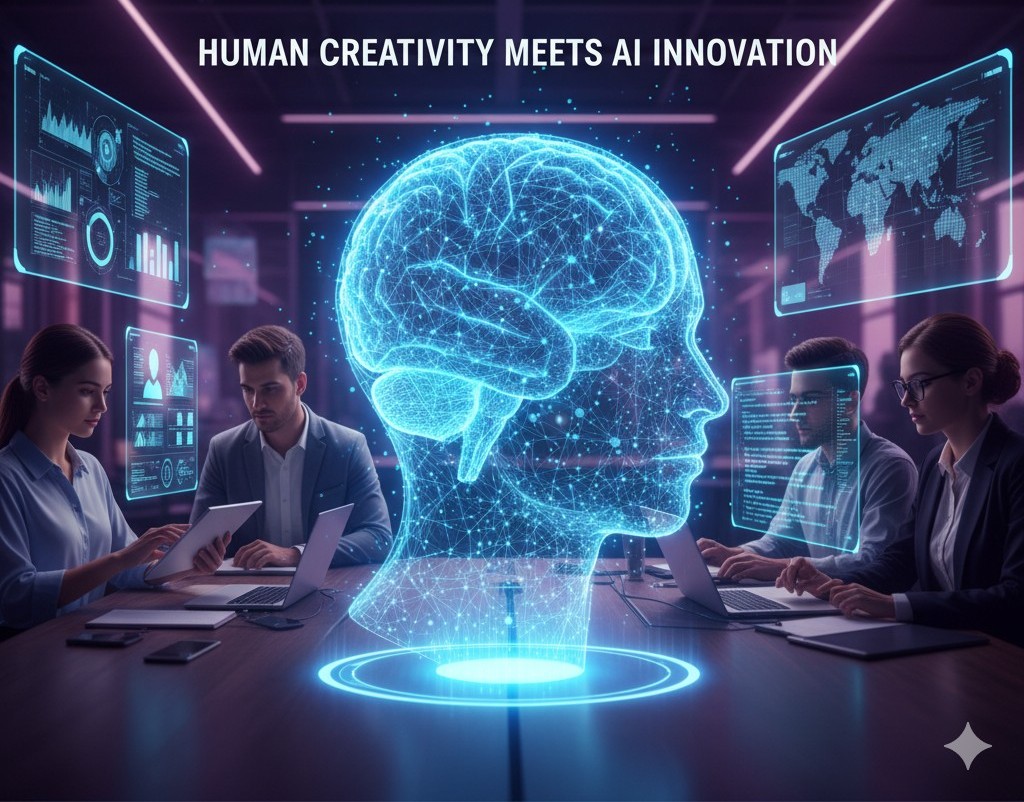
The future of digital careers isn’t about humans vs. AI; it’s about humans and AI working together. AI is an incredibly powerful tool that automates the mundane, analyzes the complex, and accelerates innovation. It provides the data, the speed, and the efficiency. Our role is to provide the judgment, the empathy, and the creativity—the very things that make us human. By embracing AI as a partner, upskilling in high-value areas, and focusing on our uniquely human strengths, we can not only survive but thrive in the digital careers of the future. The most successful professionals won’t be those who resist AI, but those who learn to harness its power to achieve things once thought impossible.
Start an Online Business HERE👍