Authority Hacker Vs. Income School: AI Strategies Compared

Authority Hacker vs. Income School AI Strategies Comparison

When I look at Authority Hacker and Income School, I see two names that come up almost everywhere in the affiliate marketing world. Both have dedicated communities and super detailed courses for people trying to build income-generating websites. With AI tools now changing how content gets created and optimized, a lot of affiliate marketers are asking which course offers the stronger AI strategy.

Authority Hacker takes a very process oriented approach and adapts quickly to tech changes, while Income School focuses on simplifying the path to monetization and has become known for its YouTube presence. Each group uses AI in different ways, and those differences really matter if you want to make the most of these platforms.

If you are on the fence about which program fits your business, this breakdown compares Authority Hacker and Income School by looking at how each uses AI for site building, content creation, on-page SEO, and practical, daily workflows.

Comparing the Competitors

What is Authority Hacker?

Authority Hacker is a membership site and training platform designed for people who want to build profitable, authority websites. The team (Gael Breton and Mark Webster) updates its guidance regularly, especially with AI now reshaping online publishing. The program has a reputation for being thorough, open about what works, and not just promoting tools for extra commissions.

Who Gets the Most Out of Authority Hacker?

  • Website builders who want detailed SEO and AI guidance
  • People looking for advanced AI automations and workflows
  • Existing affiliate marketers who want to keep up with algorithm and technology changes

Authority Hacker Pros & Cons

Pros:

  • Deep training on AI for keyword research, content, and site management
  • Community is super active and open with feedback when testing AI driven tactics
  • Consistent updates to keep up with Google and tech changes

Cons:

  • Requires more technical skills from the start
  • Interface and course structure can feel overwhelming for beginners
  • Emphasis on data and systems means a steeper learning curve

What is Income School?

Income School, founded by Jim Harmer and Ricky Kesler, is best known for its Project 24 coaching. Their style is all about creating a step by step system anyone can follow, with a focus on simplicity and fast execution. As AI becomes a bigger part of content publishing, Income School has started integrating AI powered lessons and tools to help new site owners move faster.

Who Benefits Most from Income School?

  • People who want a straightforward, easy to follow system
  • New site builders who want to get content up and earning quickly
  • Writers who want to use AI as a helper, not a replacement

Income School Pros & Cons

Pros:

  • Super simple action steps; no previous experience needed
  • Focuses on balance between real human content and AI support
  • Strong beginner community with popular video walkthroughs

Cons:

  • Updates sometimes trail behind newest AI tech trends
  • Some lessons may feel less detailed for advanced marketers
  • System leans on manual work early on

AI Features & Strategies Compared

  1. AI Content Creation & Editing
    Why This Matters: AI is changing how fast sites can grow by helping with bulk content and improving quality.
    Authority Hacker: Recommends structured AI templates, fact checking outputs, and layering in human insights. Their method uses GPT style prompts for outlines, but always combines AI drafts with personal reviews.
    Income School: Shows beginners how to use AI for writing drafts, brainstorming titles, and fixing grammar, while teaching which parts need a real person’s stories and expertise.
    Big Takeaway: Authority Hacker is stronger if you want deep integrations and automations. Income School is easier for those who just want better drafts, fast.
  2. AI for Keyword Research
    Why This Matters: Quick topic discovery saves hours each month.
    Authority Hacker: Trains members to use AI powered keyword tools and custom scripts to analyze search trends and competitor gaps at scale. They give walkthroughs for using AI models to cluster topics.
    Income School: Teaches manual keyword research first, then introduces AI powered topic suggestion tools as a supplement.
    Big Takeaway: Authority Hacker users get more advanced, automated keyword workflows. Income School keeps it basic, which is good for those new to SEO.
  3. On Page SEO with AI
    Why This Matters: Optimized content can mean more traffic with less effort.
    Authority Hacker: Provides SOPs (Standard Operating Procedures) for using AI tools to create outlines, spot missing topics, and reoptimize posts when Google updates happen.
    Income School: Suggests AI assisted editing for tweaks, but reminds users not to overcomplicate things by chasing search engine trends too closely.
    Big Takeaway: Authority Hacker supplies playbooks for technical AI optimization. Income School’s basics first method may appeal to those worried about over automation.
  4. AI Tool Recommendations
    Why This Matters: The right apps make everything easier.
    Authority Hacker: Tests many tools and updates recommendations quickly, sharing strengths, flaws, and honest reviews of the best combo of AI tools for different use cases.
    Income School: Picks a few beginnerfriendly AI tools and teaches simple uses within the main curriculum.
    Big Takeaway: Authority Hacker’s depth suits those who like testing things out. Income School gives direct, fuss free tool advice for faster action.
  5. Experience & Real World Results
    Why This Matters: Seeing what works in real sites makes decisions easier.
    Authority Hacker: Shares case studies showing how different AI workflows impact site growth and income, often with real analytics.
    Income School: Provides before and after stories and video diaries from members testing new AI tips.
    Big Takeaway: Both show proof, but Authority Hacker’s results are more data driven, while Income School shares more member adventures.

User Reviews & Reputation

  • Authority Hacker: Often gets high marks from advanced users for being ahead on AI. Some newer members wish there was more hand holding early on.
  • Income School: Praised by beginners for its community and step by step help. Some experienced marketers say it is less detailed on newer tech and advanced SEO AI strategies.

Overall Reputation: The better fit comes down to your experience and whether you want advanced automation or a clear, simple path with support.


Which Program is Right for You?

Both Authority Hacker and Income School bring a lot to the table. Authority Hacker stands out if you want to master AI driven processes and keep up with trends. It’s ideal for anyone who enjoys testing tools, digging into analytics, and has some technical background.

If you’re brand new to blogging or affiliate marketing, Income School feels easier to start with, especially if you want a supportive group and training that leaves out tech jargon and avoids overwhelming you with choices.

  • Choose Authority Hacker if you:
  • Want advanced AI tactics and indepth walkthroughs
  • Like automating workflows
  • Prefer regular updates to keep up as the tech changes
  • Choose Income School if you:
  • Are most comfortable with a basic, repeatable process
  • Value community and accountability from video lessons
  • Prefer AI as a helper, not the centerpiece of your website

Both programs have solid strengths and real communities behind them. The best choice comes down to your own comfort level with AI, how technical you want to get, and whether you want your training to focus on automation or simplicity. No matter which you pick, learning to use AI the right way can make your content creation much faster, more enjoyable, and, in my experience, more profitable, too. Take your time, check out free resources from both sites, and see what panel or member stories match your preferred learning style before you make your investment.

How To Use AI To Choose The Right Affiliate Marketing Course Platform

AI helping select the best affiliate marketing course platformArtificial intelligence has totally changed how I approach research and making decisions, especially when it comes to selecting digital tools. Picking the right affiliate marketing course platform used to mean spending hours checking websites, comparing features, and reading endless reviews. Now, smart use of AI saves a lot of time and gives me much more confidence in my choices.

The huge number of platforms can seem overwhelming when you’re beginning your search. Each one insists it’s the best, but differences in features, price, content quality, and support are significant. Using AI tools gives me the power to look deeper, spot subtle differences, and uncover opportunities that might be hidden behind the marketing language.

This all-in-one guide walks through how I use AI to narrow my options, size up the pros and cons, and pick the affiliate marketing course platform that feels like a perfect fit. We’ll get into real-world steps, highlight all the must-watch factors, and answer common questions you may have as you use AI tools for smarter decisions.


Clarify What You Need from an Affiliate Course Platform

To get started, I try to be specific about my needs in a course platform. No two platforms are exactly alike, so my choices line up with my personal goals, budget, skill level, and learning preferences.

Questions I Ask Myself:

  • What is my current experience with affiliate marketing?
  • Do I prefer video tutorials, written guides, interactive modules, or live coaching?
  • What is the budget for enrolling in a course?
  • Am I looking for broad topics or highly focused advanced training?
  • Do I need certification after completing the course?

Example Goals:

  • Track down beginnerfriendly courses with strong stepby-step guidance
  • Pick platforms that offer regular content updates
  • Access a supportive community or mentorship resources

Getting clear on my needs makes sure that AI-powered suggestions are really relevant for my situation, saving headaches later on.


Use AI Search and Review Aggregators to Create a Shortlist

With my essentials laid out, I use AI-driven web tools to search for the most updated affiliate marketing platforms. These tools pull together data from user reviews, expert opinions, and trending topics. Some even compare features, pricing, and reputation in seconds.

How I Use AI to Shortlist Platforms:

  • Ask helpful AI chatbots (like ChatGPT or Gemini) for suggestions that match my priorities
  • Use review summary tools to spot consistently well-rated platforms
  • Check AI-powered comparison sites that update info and price in real time

AI can narrow the field and save a lot of scrolling. I usually end up jotting down three to five promising platforms for the next round of checking.


Compare Courses with AI-powered Feature Analysis

When my shortlist is set, I get into comparing features. Some AI tools can smooth the way by collecting feature sets and laying out differences clearly. Spreadsheet addons or browser extensions can automatically generate summary tables for platforms.

Key Features I Look For:

  • Overall course quality and instructor track record
  • Types of content (videos, text, downloads, quizzes)
  • Learning paths (from beginner to advanced levels)
  • Community and support options
  • Certifications and assessments availability
  • Mobile or offline access
  • Full costs—including recurring fees and extras

Letting AI tools handle all the data makes it easy to spot unique perks or potential pitfalls. Sometimes a side by side table even brings out hidden stuff, like a moneyback guarantee or a special bonus, that would otherwise go unnoticed.


Factor In Real User Experiences Using AI Sentiment Analysis

Sorting through endless reviews can get confusing when the loudest voices tend to be very satisfied or extremely unhappy. AI-powered sentiment analysis helps me track down how most everyday users really feel about a platform by collecting opinions from sites, forums, and social media.

How Sentiment Analysis Helps:

  • Shows a big-picture view of user satisfaction
  • Highlights common complaints and regular issues
  • Lists out the features people rave about
  • Calls out unexpected drawbacks, such as hidden charges or customer service concerns

This kind of analysis gives me confidence about the platform’s reputation and makes decisions far less of a gamble.


Test and Double-check with AI-driven Demos and Simulations

Lots of platforms use AI to offer personalized previews or on-the-spot demos. They let you peek inside or even walk through a sample lesson without any commitment.

How I Use Demos:

  • Test out real sample lessons to feel the teaching style and speed
  • See if the platform layout is easy to figure out
  • Experience quizzes and instant feedback in action

Trying before buying lets me see if the platform actually suits my learning style. When there’s no demo, I look for free previews or trial periods so I can check things out before deciding.


Evaluate Pricing and Value with AI Comparison Tools

Understanding actual costs is vital. Some platforms pack in features, extras, or support with their bundles, while others offer lower entry costs but tack on fees for every add-on. AI-based price checkers break down the full price, including hidden charges or renewal rates.

Price Comparison Tips:

  • Spot one-off deals or limited-time offers using AI dealtracking tools
  • Confirm that refund options or moneyback guarantees are real and easy to claim
  • Weigh if longterm plans or group access come out as a better bargain

Clear costing means there are no surprises later, and I can relax about sticking with my budget.


Keep the Course Quality and Reputation in Check

AI can also help me verify the reputation of not just the platform but also the instructors and partners involved. I make it a habit to check backgrounds, partnerships, and third-party reviews to make sure I’m signing up for good, current information.

What I Check:

  • Instructor experience (their public profiles, social updates, and course history)
  • Partner companies and endorsements from people I trust in the industry
  • Complaints or warnings from consumer sites

This simple research step prevents costly mistakes and keeps my choices based on solid insights.


Answers to Common Questions About Choosing Course Platforms with AI

What if I’m new to AI tools?

Most of the trending AI tools are designed to be friendly and easy, even for beginners. Free versions or demos are available and often come with stepby-step tutorials. Taking it slow and exploring each tool a bit at a time makes learning smooth and stress-free.

How do I know I can trust AI recommendations?

AI suggestions are based on combining many sources, but I always double-check findings with a quick search of my own. Consistency across several AI tools—plus what I already know—gives the best results.

What if I pick the wrong platform?

  • Choose platforms with free trials or clear refund guarantees
  • Start small; test with minimal investment before jumping in fully
  • Ask around in affiliate marketing communities for extra peace of mind

These practical steps keep my risks low and let me change my mind without big losses.


Staying Confident and Smart with AI-Driven Decisions

Putting together my needs and choices with AI research makes choosing the right affiliate marketing course platform a lot easier. As I get more used to these tools, my decisions get faster, and I avoid rookie pitfalls.

Action Steps You Can Take:

  1. Write down your key needs and musthave platform features
  2. Use one or more AI tools for an instantly customized list of options
  3. Compare your top picks with AI-powered feature and price checkers
  4. Try free demos, and read up on AI-collected reviews before you commit

Putting these ideas to work has made my decision-making much smoother. Give these strategies a try and see how much easier your next big platform choice becomes. Why not take AI for a spin on your next search and see what you can uncover?

Project 24 By Income School: Integrating AI For Affiliate Success?

Project 24 by Income School is an affiliate marketing training program designed to help people build profitable niche websites from the ground up. Since its launch, Project 24 has seen constant changes as the world of online business evolves, especially with artificial intelligence now shaking things up. These days, integrating AI into content planning, writing, and SEO is a pretty big topic, and Project 24 has started tweaking its approach and resources to help its members keep up.

I’ll share my personal breakdown of Project 24’s AI features and how they actually help with affiliate success, covering the platform’s background, current tools, training, and the way AI is folded into their process. This should give you a good idea of what to expect if you’re looking at Project 24, with real thoughts for beginners and those already running affiliate sites.
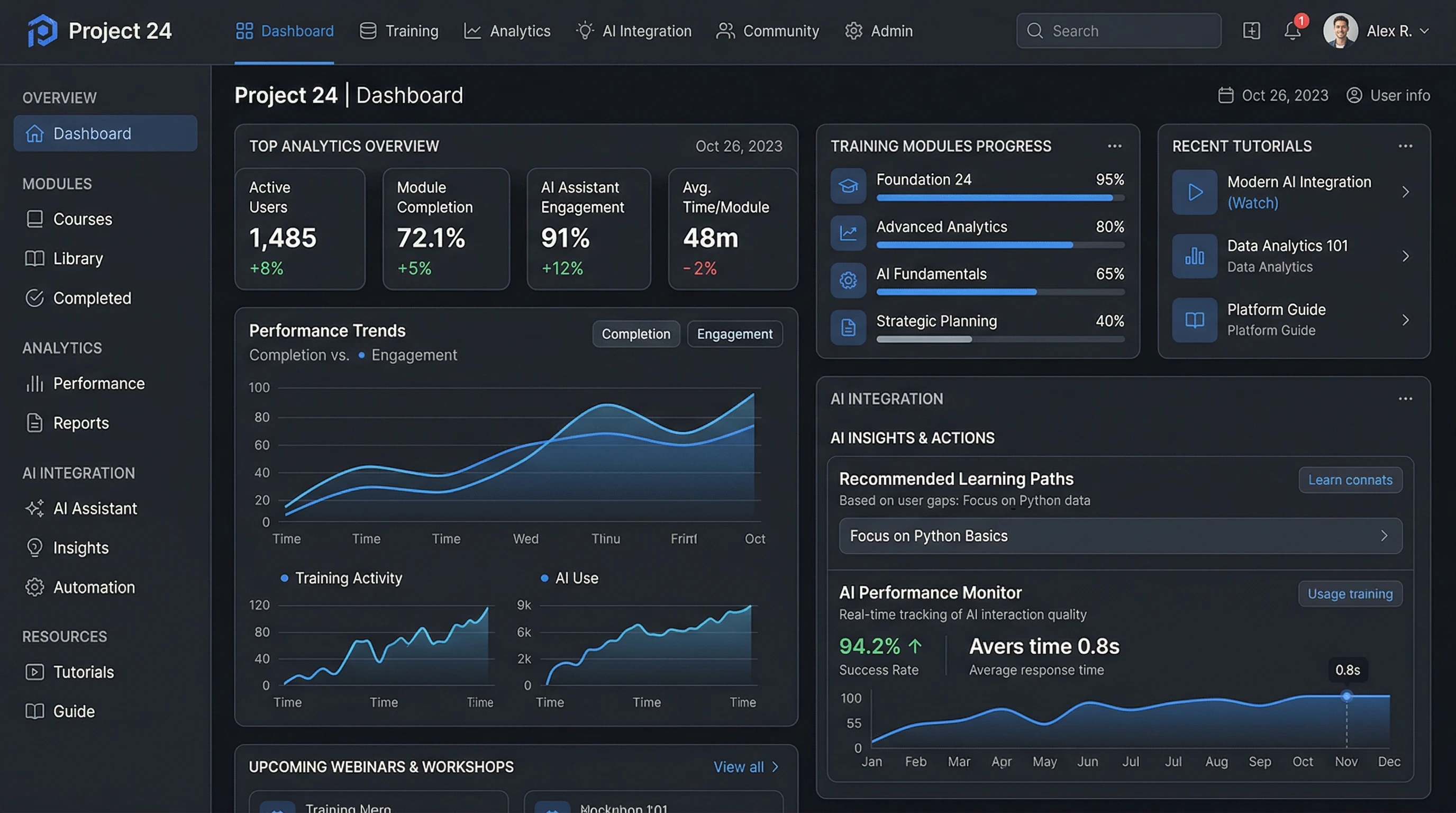
Screenshot of Project 24 dashboard featuring AI tools and tutorials, guide flow, and website performance stats

Program Name: Project 24 by Income School
Website: IncomeSchool.com
Price: $449 initial, then $249/year
Founders: Jim Harmer & Ricky Kesler
Community: 2,000+ active members
User Rating: 4.7/5 (Average based on online reviews & personal feedback)
Training Modules: 15+ structured courses, AI-focused workshops
Customer Support: Email, private community forum, video Q&A
AI Integrated Tools: 3/5, with ongoing updates
Live Events: Monthly webinars, member meetups

Free Trial: No free trial, but plenty of public content on YouTube and the blog to get a feel for Jim & Ricky’s style

Project 24 delivers a pretty wellrounded affiliate marketing education by blending oldschool human strategies with AI guidance. It’s a good match for people who want up-to-date tactics and realistic help. Members get a framework for building websites, ongoing support, and now a growing set of lessons that touch on using artificial intelligence responsibly, for both saving time and keeping quality high.

I’ve found that whether you’re just starting out or looking to modernize your approach, Project 24 bundles together practical training and hands-on examples, with a real push toward adapting your workflow to the future of digital publishing.

Meet the Income School Founders: Jim and Ricky’s Approach to AI

Jim Harmer and Ricky Kesler, the duo behind Income School, have a pretty relatable story. They both started as regular guys hustling to build online income from scratch, tinkering with sites, learning SEO the hard way, and documenting it on their YouTube channel. I remember coming across their content back in 2017 when I first got serious about niche sites. Their honesty about setbacks and their commitment to no-hype strategies stood out, and that attitude is baked into Project 24.

These days, Jim and Ricky are pretty active in their private forums, replying to questions and joining live streams. Both have shared their own experiments with AI, testing out ChatGPT, Jasper, and other tools within their own website projects. Instead of hyping AI as a shortcut, they show where it can help speed up the grind, and where you still need to roll up your sleeves and do the work manually.

If you’re the type who wants mentorship that’s hands-on and up-to-date, you’ll probably find the Income School approach fits. Jim and Ricky take feedback and adjust their course materials throughout the year, so you’ll see AI content get tweaked as tools improve and search engines adjust.

One thing I appreciate is that Project 24 shows the real risks of using AIgenerated content too heavily, especially in affiliate niches where Google’s attention to user experience and E-E-A-T (Experience, Expertise, Authoritativeness, Trustworthiness) is pretty intense these days. That balance helps a lot if you don’t want to risk tanking your site with thin or generic content.

For questions, most members get fast replies from the team within their member forum, sometimes direct feedback from Ricky or Jim, especially on the AI training threads. There’s a feeling that they’re committed to making sure members adapt and thrive, even as search and tech keep changing.

Project 24’s Core Training Structure (with AI Updates)

Traditional affiliate training walks you through the basic steps: picking a niche, building a site, publishing content, and making money. Project 24 sticks with that core, breaking the process down over 24 months (hence the name), but adds ongoing updates, especially around AI in content creation and site management.

The flagship course, called the 60 Steps to a Successful Site, mixes written lessons with video walkthroughs and downloadable checklists. In 2023 and 2024, they’ve inserted a batch of new modules covering:

  • How to use AI as an idea generator (without copying and pasting)
  • Where to let AI draft content and where it’s better to write yourself
  • Tips for fact-checking and “humanizing” AIwritten posts
  • Doing E-E-A-T “audits” on AI content to keep Google happy
  • Integrating AI for quick outlines and keyword grouping
  • Using new AI powered research tools (like Surfer SEO and ChatGPT plugins)

Early lessons focus on picking a niche that matches your interests and actual buyer intent, a huge point in affiliate marketing. The training pushes for content volume, but also shows how to blend your own experience, firsthand product reviews, and unique images to keep ahead in a world where basic AIgenerated posts flood the web.

This structure is accessible. You don’t need a tech background or any prior AI experience. Each course has action steps, and Jim/Ricky make a point of revisiting AI frequently, especially as Google’s attitude toward machine-written content mixes it up.

In actual practice, following Project 24’s approach still takes real work; AI is meant to save time, but not totally replace the learning curve. Members get checkpoint milestones, so you always know what to work on next, including which AI tools to lay off (or crank up) based on your site’s niche and goals.

Expert Classes and Ongoing AI Workshops

If you want to learn from people who walk the walk, Project 24’s expert workshops are where most of the “here’s what’s working now” content lands. Since 2022, they’ve boosted their library of ondemand masterclasses, with a bunch of recent sessions focused specifically on AI.

Every month, there’s at least one new workshop, often with a Q&A at the end. The classes run the whole range, from beginner friendly sessions (like “How to Use ChatGPT for Research”) to detailed case studies (like “AI and User Experience: Increasing Affiliate Clicks”). I’ve watched several where Jim and guest experts compare AI powered keyword clustering, content scoring tools, and even A/B tests of human vs. AI product reviews on live affiliate sites.

Super useful topics I’ve seen in the AI training series include:

  • Troubleshooting duplicate content from using similar AI prompts
  • How to combine AI research with real world testing of affiliate products
  • Balancing site quality: when to use AI for bulk posts vs. manual deepdives
  • Quick win strategies using AI: FAQ sections, roundups, and schema markup

All these classes are recorded, so you can binge previous ones or catch replays if you miss the live session. Community feedback is encouraged, so if you hit a weird issue using AI on your project, there’s usually someone who’s faced the same thing and can help you out in the comments or forum followups.

Big picture: the expert class series is where Project 24 actually puts new AI developments to the test, sharing the results and making tweaks. This ongoing, practical style is a big reason I stick with the program instead of just watching occasional YouTube advice.

AI Research Tools and Content Planning (How Project 24 Tackles It)

Content research and keyword planning used to be all about spreadsheets and hours of manual digging. Project 24 teaches the basics of oldschool topic research, but also recognizes that AI powered tools can help you move a lot faster (if used right).

Members get guides on AI friendly tools like:

  • ChatGPT for keyword brainstorming and search intent analysis
  • Surfer SEO and Frase for topic clustering and outline generation
  • AnswerThePublic and AlsoAsked for AI driven question research
  • Google’s own Search Console “Insights” for finding new opportunities

Income School doesn’t yet have its own branded keyword tool or AI writer, but they offer checklists and video walkthroughs for setting up and automating your research flow. You’ll learn how to instruct AI to dig up longtail keywords, but the team always circles back to manual review, making sure suggestions line up with what people actually search for, not just what the robot spits out.

This balanced process helps you find those “easy win” posts that most new affiliates miss. I’ve personally used the Project 24 planning sheet (with some custom AI tweaks) to build out content clusters that actually bring in traffic, not just random page views that never convert.

The whole goal is to cut your research time in half, so you can spend more energy reviewing products and crafting reviews, instead of slogging through keyword lists all day.

AI Content Creation: Tips, Guardrails, and RealWorld Application

Writing with AI opens up a can of worms, so it’s cool to see Project 24 take it seriously. The platform teaches you how to use AI as a part of your workflow, think outlines, intro paragraphs, FAQs, and drafts, but always tweaks lessons to focus on adding real life expertise and userfirst value.

Some key points from their AI training:

  • Always doublecheck facts and rewrite generic sections
  • Blend in personal product experience and unique images
  • Write your own affiliate disclosures, “pros and cons,” and summaries
  • Don’t mass publish AI material without careful editing. Google is getting good at spotting this
  • Use a mix: AI for structure, human touch for depth and trust

There’s a whole series on “humanizing” AI text, with exercises on rewriting bland sections and adding original examples or product photos. The E-E-A-T (Experience, Expertise, Authoritativeness, Trustworthiness) mini-course is especially useful here. It breaks down how Google judges site quality and gives you checklists to review every AI draft before hitting publish.

From experience, this hybrid style is way more effective than trying to automate your whole site. Members share wins and fails in the forum, trading editing tips and side by side examples. I’ve found the community review threads especially helpful for catching awkward or off-topic AI content before it makes it onto my site.

Finding Affiliate Programs: Using AI for Efficient Monetization

Picking the right products and programs is a big pain point for a lot of new affiliates. Project 24’s approach is to walk you through network options, like Amazon Associates, ShareASale, Impact, and niche programs, then show you how to use AI for quick research and evaluation.

Here’s what’s covered in the affiliate research modules:

  • Prompting AI tools to uncover hidden and new affiliate programs in your niche
  • Using AI to analyze program payout terms, cookie durations, and promotional restrictions
  • Comparing competing affiliate offers for the same products
  • Using AI to spot trends in customer reviews and pain points (useful for review content)

The training even covers how to script emails using AI that reach out to potential affiliate managers, and how to draft unique bonus offers or lead magnets automatically.

All this helps you avoid common pitfalls, like picking a low payout or unreliable program, and shortens the research cycle, so you can focus on building content that makes real commissions.

Community Support and Peer Collaboration: The Unique Project 24 Vibe

One area where Project 24 beats a lot of DIY courses is the community and private member forum. It’s active, friendly, and super focused on affiliate growth without a ton of offtopic noise. You can find AIcentric discussion threads, group challenges, and feedback exchanges where members critique each other’s posts, especially relevant as everyone starts experimenting with AI content.

Weekly office hours (live Q&A sessions with Jim, Ricky, or other coaches) give you a shot to ask direct questions about AI use cases, see troubleshooting demos, or get reality checks on ideas that might sound better in theory than in practice. I’ve posted a few AIedited reviews for feedback and gotten responses within hours. It’s a total lifesaver when you’re not sure if that draft is actually “good enough.”

This approach went a long way to helping me avoid rookie mistakes. Even as AI changes what’s possible, it’s still really important to learn from people actively building new affiliate sites, running experiments, and keeping each other updated with things like Google algorithm changes or affiliate program updates.

  • Rapid feedback on your site, articles, or AI output
  • Shared AI prompts, workflow hacks, and tools
  • Accountability partners to keep you publishing content

Project 24 manages to keep things positive, but honest. So if you jump in with a “Can I publish 100 AI generated posts and rank next week?” you’ll get thoughtful, honest answers and usually some real world examples of both wins and fails.

Site Hosting, Speed, and AI-Driven Optimization

Project 24 isn’t a hosting company, but they’ve built walkthroughs and partner discounts that help new affiliates get started with trustworthy WordPress hosts (like Bluehost, SiteGround, and Cloudways). The team puts a lot of focus on technical SEO, especially since speed, mobile performance, and security are huge ranking factors, and the places AI and automation can actually help.

Recent tutorials cover:

  • Using AI to troubleshoot slow load times and suggest technical fixes
  • Deploying caching, image optimization, and lightweight plugins with AI assistance
  • Improving site structure and core vitals

Members also get tips on setting up AI driven analytics tools, monitoring Google Search Console, and running periodic content audits, making sure your site runs fast and stays healthy, even with new AI written or AI assisted pages going live.

You’ll also get inside looks at what plugins and settings work best for WordPress sites focused on affiliate content. There’s even a checklist for site launches and plugin updates, so nothing breaks unexpectedly when rolling out new features or overhauling design.

Success Stories: Real Examples of AI-Integrated Affiliate Growth

While there are plenty of programs that show off income screenshots, Project 24 has a realistic approach, spotlighting a mix of modest first wins and a handful of members making a full-time income. Many success stories now mention how using AI for first drafts, keyword clustering, or bulk idea generation saved dozens of hours and helped sites get to critical mass faster.

Examples I’ve seen in the member forum include:

  • A gardening niche blogger who used ChatGPT to map out 6 months of content ideas in a week, then rewrote and refined posts with her own expertise
  • An electronics reviewer who A/B tested AI generated intro paragraphs vs. human written ones and measured affiliate link click rates
  • A fitness coach who used AI to outline product comparison posts and then filled in the “real talk” details from his own training background

Most stories hit on the same theme: AI isn’t magic, but when folded into a clear, human-run workflow, it multiplies what you can publish and research in less time. The best results come from combining personal knowledge, hands-on product reviews, and custom photos or graphics, stuff that’s really hard for AI alone to replicate.

Pricing: What’s Included in Project 24?

Project 24 is a flat $449 for the first year, then $249 per year for ongoing membership. There’s no free trial, but Income School’s public YouTube channel gives you a pretty good feel for their teaching style before you buy in.

Your membership covers:

  • Full access to all courses and lesson updates
  • Monthly live workshops, including frequent AI sessions
  • Private member forum and group challenges
  • Downloadable templates, checklists, and AI prompt sheets
  • Discounts with hosting and tool partners
  • Support from staff and experienced peers

There aren’t hidden upsells. If you need website hosting, domain names, or outside AI tools, you’ll pay those separately, but you’re free to pick whatever fits your budget. Project 24’s approach is transparent. Everything you actually need to build and grow an affiliate site is included, and ongoing updates mean your training doesn’t get outdated.

Compared to some higherticket affiliate courses pushing $2,000–$5,000, Project 24 is on the affordable end, with more handson support and less highpressure sales. For beginners or anyone serious about futureproofing their income with AI, it’s a smart investment.

How Project 24 Keeps Up with AI Trends and Google Changes

Staying current is one of Project 24’s best features. Jim and Ricky are up front about AI’s pros and pitfalls, and they revise lessons fast if Google cracks down or new research comes out.

The member announcements section is where you’ll find updates, everything from new prompt libraries for AI tools, to alerts about Google algorithm changes that affect AI generated content. I’ve seen the curriculum update half a dozen times inside a year, especially as search engines roll out policies around “content quality,” “originality,” and userfirst experience.

Members can suggest topics for new workshops or request feature guides, so if you run into a gap (like needing help with AI for schema markup or product comparison tables), the team is usually pretty quick about spinning up new resources or templates.

This ongoing flexibility feels really important as digital publishing keeps getting more unpredictable. I appreciate that Project 24 helps you adapt, instead of getting stuck with stale strategies that worked years ago but hurt rankings now.

Taking Your Next Steps: Is Project 24 with AI Integration Worth It?

It’s clear AI isn’t going away, and trying to ignore it means missing out on faster research and content creation. At the same time, the risk of blindly publishing wall to wall AI posts is real; Google penalties, affiliate program bans, and reader trust all hinge on real expertise and quality.

If you’re starting from scratch or need to modernize your existing affiliate workflow, Project 24’s blend of tradition and new tech is honestly one of the most practical options right now. The focus on responsible, smart AI use, plus ongoing updates and hands-on case studies, makes it a solid choice for steady, lowburn growth.

Don’t expect overnight results or “push button riches.” If you’re willing to put in the work, keep up with ongoing changes, and make use of AI as a timesaver (not a crutch), you’ll set yourself up for real traffic and commission success, even as search and affiliate rules change.

Curious if Project 24 is the right fit? My advice is to spend some time on the Income School YouTube channel for a free taste, then get into the community if you want to take your affiliate game to the next level with smart, sustainable AI help.

If you have questions, I check the latest Project 24 updates regularly and trade feedback with fellow members. Drop your questions below, and I’ll share what’s working right now.


PS: If you’re after templates or want a peek at the AI lesson updates before jumping in, check out the Project 24 preview materials and member stories available on the Income School website. There’s a community of folks always happy to help you get your first affiliate sale faster, and smarter, than going it alone.

 

The Digital Gold Rush: Top AI-Powered Affiliate Marketing Courses for 2026

Image

Introduction: Why 2026 Is the Era of AI-Powered Affiliate Marketing

The affiliate marketing landscape is evolving faster than ever, and Artificial Intelligence (AI) is at the center of this transformation. In 2026, successful affiliate marketers are no longer just content creators—they are AI-powered digital entrepreneurs leveraging automation, predictive analytics, and smart content generation to scale faster and earn more.

Welcome to the Digital Gold Rush—where those who master AI tools and affiliate systems early are positioning themselves to earn $1,000 to $10,000+ per month online.

If you’re building your brand (like your Skilswave platform) or starting fresh, the fastest way to gain an edge is by enrolling in the right AI-powered affiliate marketing courses.

Why AI Is a Game-Changer for Affiliate Marketing

Before diving into the courses, let’s understand why AI is critical:

🔹 1. Content Creation at Scale

AI tools like Jasper and ChatGPT help generate SEO-optimized blog posts, emails, and ad copy in minutes.

🔹 2. Smarter Keyword Research

AI-powered SEO tools identify low-competition, high-conversion keywords faster than manual research.

🔹 3. Automated Funnels

AI integrates with platforms like Systeme.io to build fully automated sales funnels.

🔹 4. Conversion Optimization

AI analyzes user behavior and improves click-through rates (CTR) and conversions.

👉 In short: AI removes guesswork and accelerates income generation.

Top AI-Powered Affiliate Marketing Courses for 2026

Here are the best high-impact courses you should consider for Skilswave and your affiliate journey:

🥇 1. Authority Hacker Pro (AI Edition)

Best for: Serious affiliate marketers aiming for $5K–$50K/month

What You’ll Learn:

  • AI-driven SEO strategies
  • Authority site building
  • Content systems that scale
  • Monetization with high-ticket offers

Why It Stands Out:
Authority Hacker combines deep SEO knowledge with AI workflows, making it one of the most powerful courses for long-term affiliate success.

Affiliate Potential: High-ticket commissions + recurring income

🥈 2. Wealthy Affiliate (AI Integrated Training)

Best for: Beginners and intermediate marketers

What You’ll Learn:

  • Step-by-step affiliate marketing
  • AI content creation techniques
  • Website building (WordPress)
  • Keyword research & SEO

Why It Stands Out:
An all-in-one platform that combines training, hosting, and AI tools—perfect for beginners building sites like Skilswave.

Affiliate Potential: Recurring commissions

🥉 3. Commission Hero AI (Advanced Paid Traffic)

Best for: Fast results with paid ads

What You’ll Learn:

  • AI-powered Facebook ad strategies
  • High-converting funnels
  • CPA marketing systems

Why It Stands Out:
Focuses on fast income generation using paid traffic + AI optimization.

Affiliate Potential: High-ticket payouts

⭐ 4. The Affiliate Lab (AI SEO Focus)

Best for: SEO-driven affiliate websites

What You’ll Learn:

  • Ranking affiliate sites on Google
  • AI-assisted content strategies
  • Link-building frameworks

Why It Stands Out:
Highly practical and results-driven—ideal for organic traffic lovers.

⭐ 5. AI Marketers Club (John Crestani)

Best for: Automation + done-for-you systems

What You’ll Learn:

  • AI funnels and automation
  • High-ticket affiliate offers
  • Scaling campaigns globally

Why It Stands Out:
Combines AI automation with aggressive monetization strategies.

How to Choose the Right Course for You

Not every course fits every person. Here’s a simple guide:

  • Beginner? → Start with Wealthy Affiliate
  • SEO + Blogging? → Choose Authority Hacker or Affiliate Lab
  • Fast Money (Paid Ads)? → Go for Commission Hero AI
  • Automation Lovers? → Pick AI Marketers Club

Final Thoughts: Don’t Miss the Digital Gold Rush

Affiliate marketing in 2026 is no longer about working harder—it’s about working smarter with AI.

Those who invest in the right knowledge and tools today will dominate tomorrow.

Whether you’re a beginner or building your Skilswave empire, these AI-powered courses can help you:

✅ Build scalable income
✅ Automate your business
✅ Compete globally from anywhere (including Ghana 🇬🇭)

🔥 Your Next Step

If you’re serious about earning online:

👉 Start with one course
👉 Implement immediately
👉 Scale with AI tools

The gold rush has already started. The question is—are you in?plate you can use to apply for high-ticket tech affiliate programs?

Authority Hacker Pro Review: Mastering AI Strategies for Affiliate Sites?

Authority Hacker Pro Review: Mastering AI Strategies for Affiliate Sites (2026 Guide)

Affiliate marketing has become one of the most powerful ways to build passive income online, but succeeding today requires more than just publishing random blog posts. To build profitable affiliate websites, marketers must master SEO, AI content creation, traffic generation, and conversion optimization.

One of the most respected training programs in this space is Authority Hacker Pro.

But the key question is:

Is Authority Hacker Pro worth it for affiliate marketers in 2026?

In this comprehensive review, we will examine:

    • What Authority Hacker Pro is

    • What you will learn inside the course

    • AI strategies for affiliate sites

    • Pricing and value

    • Pros and cons

    • Who should enroll

By the end of this guide, you will know whether Authority Hacker Pro can help you build a successful affiliate marketing business.

What Is Authority Hacker Pro?

Authority Hacker Pro is an advanced affiliate marketing course created by Gael Breton and Mark Webster.

The program teaches students how to build authority affiliate websites that generate sustainable income through organic traffic.

Unlike many online courses that focus only on theory, Authority Hacker Pro provides step-by-step systems used by professional affiliate marketers.

Who Is Authority Hacker Pro For?

Authority Hacker Pro is designed for people who want to:

    • Build profitable affiliate marketing websites

    • Scale niche sites using SEO

    • Use AI tools to accelerate content production

    • Increase affiliate conversions

    • Generate passive income online

It is particularly valuable for:

✔ Bloggers
✔ Affiliate marketers
✔ SEO professionals
✔ Digital entrepreneurs

What You Will Learn Inside Authority Hacker Pro

The course contains multiple modules covering every stage of building and scaling affiliate websites.

1. Niche Selection and Site Planning

Students learn how to:

    • Identify profitable niches

    • Analyze market demand

    • Evaluate competition

    • Build scalable affiliate websites

Choosing the right niche is one of the most important decisions in affiliate marketing.

2. SEO and Organic Traffic Strategies

Authority Hacker Pro teaches advanced SEO strategies including:

    • Keyword research

    • Search intent optimization

    • Content clusters

    • Backlink building

    • Technical SEO

Many successful affiliate sites rely on SEO tools such as:

    • SEMrush

    • Ahrefs

These tools help marketers identify high-value keywords that generate affiliate commissions.

Start Building Your Affiliate Website

👉 Learn the complete affiliate marketing system used by successful marketers.

Click here to explore Authority Hacker Pro

AI Strategies for Affiliate Marketing

AI is rapidly transforming the affiliate marketing industry.

Modern affiliate marketers are using tools like:

    • ChatGPT

    • Jasper AI

to:

    • Generate content ideas

    • Write SEO blog posts

    • Create marketing copy

    • Automate research

Authority Hacker Pro teaches how to combine AI tools with SEO strategies to build scalable affiliate websites.

Content Creation Framework

Content is the foundation of successful affiliate websites.

Authority Hacker Pro provides systems for creating:

    • Product reviews

    • Comparison articles

    • “Best tools” guides

    • Tutorial content

    • Case studies

These types of articles attract high-intent traffic that converts into affiliate sales.

Monetization Strategies

The course also teaches how to monetize websites through:

    • Affiliate programs

    • Display advertising

    • Digital products

    • Email marketing

Students learn how to promote affiliate tools such as:

    • SEMrush

    • Ahrefs

    • Jasper AI

These platforms offer high-paying affiliate commissions and recurring revenue opportunities.

 Unlock Advanced Affiliate Strategies

🚀 Discover the advanced strategies used by professional affiliate marketers.

👉 Join Authority Hacker Pro today

Authority Hacker Pro Pricing

Authority Hacker Pro is considered a premium affiliate marketing course.

The program typically includes:

    • Full training modules

    • Case studies

    • Templates and resources

    • Community access

While the course requires a significant investment, many students view it as one of the most comprehensive affiliate marketing programs available.

Pros and Cons of Authority Hacker Pro

Pros

✔ Comprehensive affiliate marketing training
✔ Advanced SEO strategies
✔ Proven frameworks used by successful marketers
✔ Regular updates and new lessons
✔ Focus on long-term affiliate businesses

Cons

✖ Premium pricing
✖ Requires commitment and consistent effort
✖ Not ideal for people looking for “quick money”

Authority Hacker Pro vs Other Affiliate Marketing Courses

Compared to many beginner courses, Authority Hacker Pro focuses on building authority websites rather than quick tactics.

The program emphasizes:

    • Sustainable traffic

    • SEO strategies

    • Long-term affiliate income

This approach is more reliable for building profitable affiliate businesses over time.

Final Verdict: Is Authority Hacker Pro Worth It?

Authority Hacker Pro remains one of the most respected affiliate marketing courses in the industry.

If you want to:

    • Build authority affiliate websites

    • Learn advanced SEO strategies

    • Use AI tools to scale content

    • Generate long-term passive income

then Authority Hacker Pro is definitely worth considering.

However, success will depend on consistent implementation of the strategies taught in the course.

Start Your Affiliate Marketing Journey

🔥 Ready to build a profitable affiliate website?

👉 Join Authority Hacker Pro and learn the strategies used by successful affiliate marketers.

Click here to enroll now

Final Thoughts for our Readers

Affiliate marketing remains one of the best online business models for building passive income.

When combined with AI tools and strong SEO strategies, affiliate websites can generate consistent long-term revenue.

By applying the systems taught in Authority Hacker Pro, marketers can build websites that:

    • Attract organic traffic

    • Rank on Google

    • Generate affiliate commissions

Jasper AI vs. Copy.ai: Which AI Writer Reigns Supreme? (Complete 2026 Guide for Content Creators)

Image

Artificial Intelligence has completely transformed how bloggers, marketers, and entrepreneurs create content. Today, AI writing tools can generate blog posts, marketing copy, emails, ads, and even full sales pages in minutes.

Two of the most popular AI copywriting tools dominating the market are Jasper AI and Copy.ai.

But the big question is:

Which AI writer is better for bloggers, affiliate marketers, and digital entrepreneurs?

In this detailed comparison, we will analyze:

  • Features
  • Pricing
  • Content quality
  • Ease of use
  • SEO capabilities
  • Best use cases

By the end of this guide, you’ll know which AI writing tool truly reigns supreme.

What is Jasper AI?

Jasper AI is one of the most advanced AI content creation platforms designed for marketers, bloggers, and businesses.

It helps users generate:

  • Blog posts
  • Marketing copy
  • Social media content
  • Product descriptions
  • Email marketing campaigns
  • Long-form articles

Jasper is especially known for its long-form content generation and marketing-focused templates.

Key Features of Jasper AI

  • Long-form blog post creation
  • AI marketing templates
  • Brand voice customization
  • SEO integrations
  • AI image generation
  • Team collaboration tools

Jasper is widely used by professional marketers and affiliate bloggers who want to scale their content production.

What is Copy.ai?

Copy.ai is another powerful AI writing assistant designed to help businesses generate marketing copy quickly.

It focuses more on short-form content and automation.

Users commonly generate:

  • Social media posts
  • Email marketing content
  • Landing page copy
  • Product descriptions
  • Sales copy

Copy.ai is especially popular with startups and small businesses because of its simple interface and affordable pricing.

Jasper AI vs Copy.ai: Feature Comparison

FeatureJasper AICopy.ai
Long-form contentExcellentGood
Blog writingExcellentModerate
Marketing copyExcellentExcellent
Templates50+ templates90+ templates
Ease of useVery goodExcellent
AI workflowsAdvancedGood
Brand voiceYesLimited

Verdict

If you create long blog posts and SEO articles, Jasper AI wins.

If you mainly create short marketing content, Copy.ai performs very well.

Content Quality Comparison

Content quality is one of the most important factors for bloggers and affiliate marketers.

Jasper AI Content Quality

Jasper produces:

  • Structured blog posts
  • Natural human-like writing
  • SEO-friendly paragraphs
  • Detailed long-form content

It is widely considered one of the best AI writing tools for long articles.

Copy.ai Content Quality

Copy.ai generates:

  • Fast short-form content
  • Creative marketing copy
  • Good social media captions

However, it is slightly weaker when producing long-form blog articles.

Ease of Use

Both platforms are beginner-friendly.

Jasper AI

  • Clean interface
  • Guided workflows
  • Advanced content tools

Copy.ai

  • Extremely simple interface
  • Quick content generation
  • Minimal learning curve

Beginners may find Copy.ai easier to start with, while Jasper offers more advanced capabilities.

Pricing Comparison

Pricing is an important consideration for bloggers and affiliate marketers.

Jasper AI Pricing

  • Creator Plan
  • Pro Plan
  • Business Plan

Jasper is more expensive, but it offers more advanced features and higher content quality.

Copy.ai Pricing

Copy.ai offers:

  • Free plan
  • Pro plan
  • Team plans

This makes Copy.ai attractive for beginners who want to experiment with AI writing tools.

SEO Capabilities

For bloggers and affiliate marketers, SEO optimization is critical.

Jasper integrates well with SEO tools such as:

  • Surfer SEO
  • SEMrush

This makes it easier to create SEO-optimized blog content that ranks on Google.

Copy.ai, on the other hand, focuses more on creative copywriting rather than SEO blogging.

Best AI Writer for Affiliate Marketers

For affiliate marketers building content websites, the best AI tool should help with:

  • SEO blog writing
  • Product reviews
  • Comparison articles
  • marketing content

Because of its long-form writing power, Jasper AI is generally the better option for affiliate marketers.

Pros and Cons

Jasper AI

Pros

Excellent long-form writing
Advanced marketing tools
SEO integrations
High-quality content

Cons

Higher pricing
Slight learning curve

Copy.ai

Pros

Easy to use
Affordable pricing
Great for marketing copy

Cons

Limited long-form writing
Less SEO focus

Final Verdict: Which AI Writer Reigns Supreme?Both AI tools are excellent, but they serve slightly different purposes.

If your goal is serious blogging, SEO content, and affiliate marketing, then Jasper AI is the stronger choice.

If you want a simple tool for quick marketing copy, then Copy.ai is a solid option.

How to Generate Blog Post Ideas in Minutes Using AI Tools

In the rapidly evolving world of digital content, coming up with fresh, engaging blog post ideas can be a challenging task. With the need to consistently publish content that captivates and informs your audience, having a reliable process for idea generation is crucial. Enter AI tools—your new best friend in brainstorming. These sophisticated tools can help you generate a wealth of blog post ideas in a matter of minutes. Here’s how you can leverage AI to keep your content calendar full and your creative juices flowing.

Why Use AI for Blog Post Ideas?

AI tools offer several advantages when it comes to generating blog post ideas:

  • Speed and Efficiency: AI can process vast amounts of data quickly, providing you with numerous ideas in minutes.
  • Diverse Perspectives: AI algorithms consider different angles and perspectives, leading to unique and varied content ideas.
  • Trend Identification: AI tools can analyze current trends and suggest topics that are likely to attract readers’ attention.
  • SEO Optimization: By incorporating keywords and search trends, AI ensures ideas are optimized for search visibility.

Steps to Generate Blog Post Ideas Using AI Tools

1. Choose the Right AI Tool

Start by selecting an AI tool that suits your needs. Popular options include:

  • Jasper AI: Known for its content generation capabilities, Jasper offers features specifically designed for brainstorming blog ideas.
  • Frase: Focuses on SEO content and provides topic suggestions based on current trends and search data.
  • Surfer SEO: Provides keyword suggestions and content ideas based on search engine insights.

2. Identify Your Niche and Audience

Before using an AI tool, clearly define your blog’s niche and target audience. This ensures the generated ideas align with your brand’s messaging and audience interests.

3. Input Relevant Keywords or Topics

Input relevant keywords or seed topics into the AI tool. For instance, if you’re a travel blogger, you might use keywords like “adventure travel,” “budget destinations,” or “solo travel tips.”

4. Utilize AI-Powered Features

Make full use of the AI tool’s capabilities:

  • Content Briefs: Some tools provide content briefs that outline possible angles, subtopics, and related questions.
  • Trend Analysis: Check for trending topics in your niche that the AI suggests based on current search data.
  • Keyword Integration: Ensure the AI tool incorporates relevant keywords for SEO optimization.

5. Review and Refine Generated Ideas

After generating a list of ideas, review them for relevance and creativity. Refine these ideas to better suit your unique perspective and audience needs.

6. Organize Ideas into a Content Calendar

Once you have a list of refined ideas, organize them into a content calendar. This helps in planning your publishing schedule and ensuring a consistent content flow.

Tips for Maximizing AI Tools for Blog Ideas

  • Experiment with Different Tools: Try multiple AI tools to see which one provides the best results for your specific needs.
  • Combine AI with Human Creativity: While AI is a powerful tool, human creativity is key. Use AI-generated ideas as a starting point and build upon them with your insights and experiences.
  • Analyze Performance: Track the performance of posts generated from AI ideas to identify what resonates with your audience and adjust your strategy accordingly.
  • Keep Learning: Stay updated with new features and improvements in AI tools to continually enhance your content strategy.

Conclusion

AI tools have become indispensable allies in the world of content creation, offering a quick and efficient way to generate engaging blog post ideas. By integrating these tools into your content strategy, you can ensure a steady stream of fresh and relevant topics that resonate with your audience while saving time and effort. Embrace the power of AI and transform your content planning process.


To generate an image that complements this article, please visit the Image tab in the left-hand side menu of Omni AI and provide a detailed prompt, such as:

“An illustration of a futuristic workspace with an AI assistant brainstorming blog ideas on a large screen, surrounded by digital charts and keyword clouds, with a vibrant and innovative aesthetic.”

Jasper AI Review: The Ultimate Content Creator’s Companion?

In the fast-paced world of digital content, staying ahead means constantly innovating and optimizing your workflow. For many content creators, this often involves battling writer’s block, managing tight deadlines, and ensuring consistent brand messaging across various platforms. Enter Jasper AI, an artificial intelligence writing assistant designed to streamline content creation and boost productivity. But does it truly live up to the hype as the ultimate content creator’s companion? Let’s dive into a comprehensive review.

What is Jasper AI?

Jasper AI, previously known as Jarvis, is a sophisticated AI writing assistant powered by advanced machine learning algorithms, including GPT-3.5 and GPT-4. It’s built to help users produce high-quality, varied content quickly and efficiently. By leveraging natural language processing (NLP), Jasper understands user requirements and generates a wide array of text formats, from blog posts and product descriptions to social media captions and SEO articles.

Key Features for Content Creators

Jasper AI offers a robust suite of features tailored to the needs of content creators:

  • Diverse Content Generation: Jasper excels at generating comprehensive, SEO-optimized long-form content like blog posts and articles, as well as compelling marketing copy, social media content, email marketing sequences, and ad copy.
  • Extensive Templates (Apps): With over 50 to 100 ready-to-use templates or “apps,” Jasper provides versatile solutions for virtually any content creation task. These templates guide users through structuring engaging articles, crafting compelling introductions, and more.
  • Brand Voice and Style Guides: A significant differentiator for Jasper is its ability to learn and maintain your brand’s voice, style, and audience. This ensures on-brand content across multiple channels, with higher-tier plans offering unlimited customization.
  • SEO Integration with Surfer SEO: For marketers focused on organic traffic, Jasper offers strong SEO features, including automated keyword detection and integration with Surfer SEO for real-time optimization and content scoring.
  • Jasper Chat: Similar to other AI chatbots, Jasper Chat allows for conversational content generation. You can upload files and company assets to “teach” the chatbot your brand’s voice, leading to more personalized and on-brand outputs.
  • Jasper Art: This feature generates high-quality images from text prompts, making it useful for visualizing blog illustrations, social media graphics, or product mockups.
  • Multi-language Support: Jasper supports content creation in over 80 languages, making it an excellent tool for global businesses and creators.
  • Chrome Extension: The Jasper Chrome Extension integrates effortlessly into your workflow, allowing you to create personalized content wherever you write online.
  • Canvas/Document Editor: For more control, the Canvas provides a free-form document editor similar to Google Docs, where you can type commands, write alongside the AI, and use various editing tools. This is ideal for longer content and collaborative work.
  • Plagiarism Checker: While useful for ensuring originality, it’s worth noting that the plagiarism checker may be an add-on or not included in all plans.
Click Here to Visit Jasper AI

How Jasper AI Enhances Your Content Creation Workflow

  • Speed and Efficiency: Jasper generates content rapidly, significantly cutting down on the time spent drafting and editing, often reported to be five times faster.
  • Overcoming Writer’s Block: The tool’s ability to generate ideas and initial drafts helps content creators overcome creative hurdles and maintain productivity.
  • Scaling Content Production: Businesses and marketers can quickly create high volumes of content, which is crucial for meeting tight deadlines and expanding content libraries.
  • Brand Consistency: With its ability to learn and apply your brand’s voice, Jasper helps maintain a cohesive and recognizable presence across all content.
  • SEO Optimization: Built-in features and integrations assist in crafting content optimized for search engine visibility, helping to drive organic traffic.

Jasper AI Pricing Plans (2025/2026)

Jasper AI offers several subscription tiers tailored to different user needs, with pricing options undergoing some changes in early 2025.

  • Creator Plan: Best for freelancers, solopreneurs, and hobbyists. It costs approximately $49/month (billed monthly) or $39/month (billed annually) and includes unlimited words, one user seat, one brand voice, and access to core Jasper features like chat and the document editor.
  • Pro/Teams Plan: Ideal for small teams, marketing agencies, and professional content creators. This plan is around $69/month per seat (billed monthly) or $59/month per seat (billed annually). It includes multiple seats (up to 5), three brand voices, Jasper Art, and collaboration tools.
  • Business Plan: Designed for large organizations, enterprise teams, or agencies requiring custom solutions, security, and advanced features. Pricing is custom and requires contacting sales.

Jasper typically offers a 7-day free trial for the Creator and Pro plans, allowing users to explore its capabilities before committing. Annual billing often provides a discount of about 20%.

Pros of Using Jasper AI

  • Fast Content Generation: Churns out high-quality content quickly, saving significant time.
  • Extensive Template Library: Offers a wide range of templates for various content types and marketing needs.
  • Strong SEO Capabilities: Integrates with tools like Surfer SEO to optimize content for search engines.
  • User-Friendly Interface: Praised for its intuitive dashboard and ease of navigation, even for beginners.
  • Brand Consistency Tools: Helps maintain a consistent brand voice and style across all content.
  • Versatility: Capable of generating diverse content formats, from short social media posts to long-form articles.

Cons of Using Jasper AI

  • Cost: Can be expensive, especially for individual users or startups, compared to some free alternatives.
  • Requires Human Editing: AI-generated content often requires human oversight, fact-checking, and editing to ensure accuracy, nuance, and a human touch.
  • Learning Curve: While user-friendly, mastering its full capabilities and advanced features may take time for beginners.
  • Prompt Dependency: The quality of the output heavily relies on the clarity and specificity of the user’s prompts.
  • Gated Features: Many advanced features, like the no-code app builder or unlimited brand voices, are often exclusive to the more expensive Business plan or may come as add-ons.
  • Outputs Can Be Generic: Some users report that the writing can sometimes feel cold, robotic, or less nuanced compared to human writing or other advanced AI models.

Is Jasper AI Worth the Investment for Content Creators?

For many content creators, marketers, and businesses, Jasper AI presents a compelling solution to scale content production and overcome common creative roadblocks. Its ability to generate content rapidly, maintain brand consistency, and integrate SEO best practices makes it a powerful tool for those who prioritize efficiency and quality at scale. While the investment can be significant, particularly for higher-tier plans, the potential ROI in terms of saved time, increased content output, and improved SEO performance can justify the cost for dedicated users and teams. It serves as a strong co-pilot, augmenting human creativity rather than replacing it, allowing creators to focus on strategy and refinement.

Conclusion

Jasper AI has solidified its position as a leading AI writing assistant, offering a robust set of features that empower content creators to work faster, smarter, and more consistently. While it’s not a magic bullet that eliminates the need for human input, it’s an invaluable tool for drafting, brainstorming, and optimizing content across various channels. For those ready to leverage AI to enhance their content creation process, Jasper AI proves to be a formidable companion.


To generate an image that complements this article, please visit the Image tab in the left-hand side menu of Omni AI and provide a detailed prompt, such as:

“A vibrant, digital art depiction of an AI robot hand writing content on a tablet, surrounded by various content creation elements like blog post titles, social media icons, and SEO keywords, with a futuristic, clean aesthetic.”

SEMrush Vs. Ahrefs: Which SEO Tool Is Best For Affiliate Marketers?

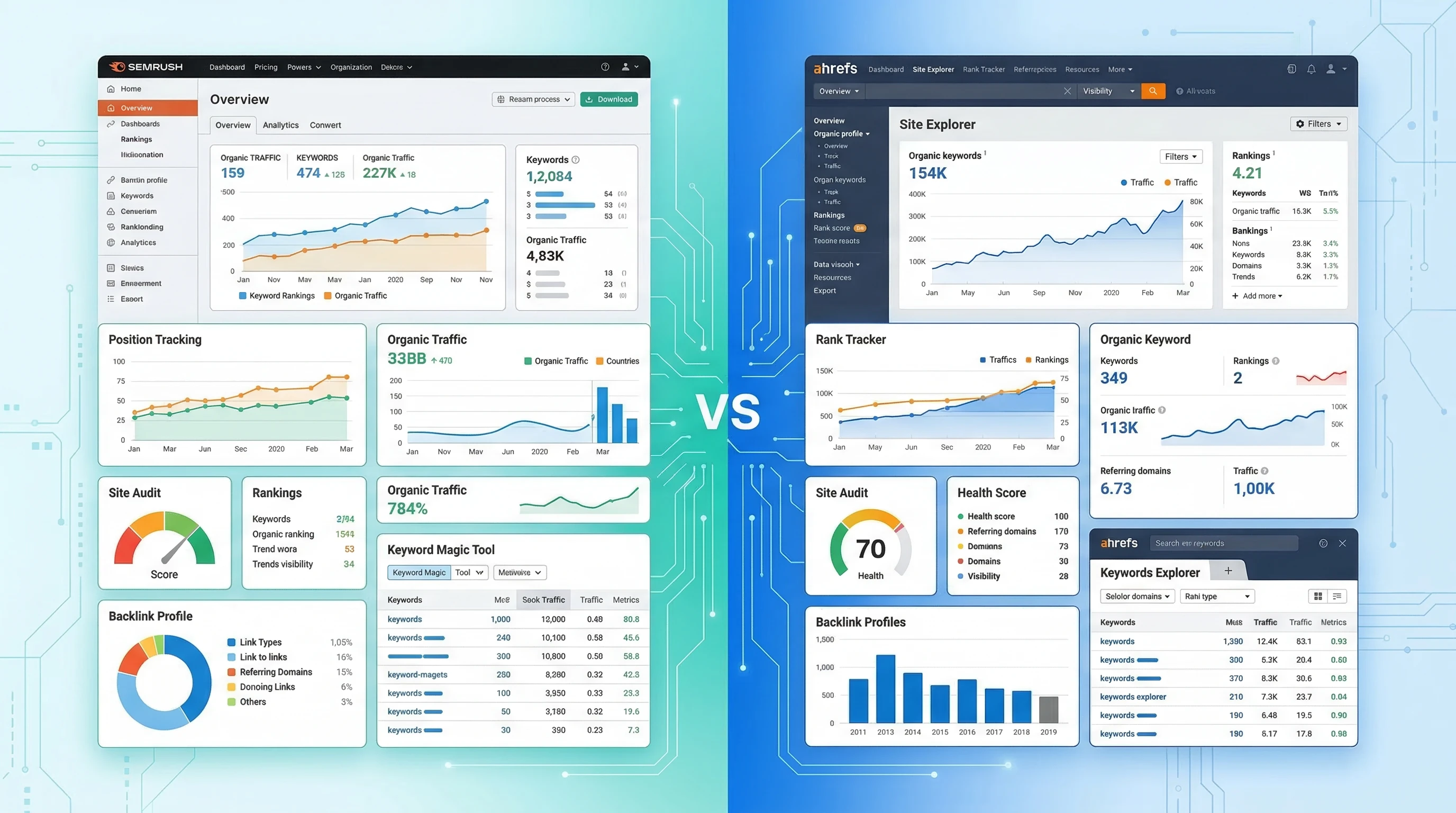
SEMrush vs Ahrefs comparison graphic

When it comes to SEO tools for affiliate marketers, two platforms stand out: SEMrush and Ahrefs. Each one provides a suite of features for keyword research, competitor analysis, site audits, and a lot more. With their many overlapping capabilities, deciding which platform works best for affiliate marketing can feel tricky.

SEMrush is often praised for its powerful allinone toolkit, covering everything from content marketing to technical SEO and competitive intelligence. Ahrefs focuses more on backlink analysis and keyword research, building a reputation for its accuracy and large data index.

If you want to pick the right SEO platform for your affiliate marketing efforts, I’ll break down the differences between SEMrush and Ahrefs. I’ll check out features, pricing, and ease of use, and share which tool lines up with different affiliate strategies.

Understanding the Contenders

What is SEMrush?

SEMrush is an allinone digital marketing suite. It offers tools for keyword and competitor research, site audits, content optimization, rank tracking, social media, and even paid ads insights. SEMrush tries to cover the needs of a full marketing team, but for affiliate marketers, its competitive research and keyword analytics are especially useful.

Who Should Use SEMrush?

  • Affiliate marketers who juggle SEO, content marketing, and paid ad campaigns all at once
  • Anyone who needs deep insights into competitors’ strategies
  • People managing multiple websites or campaigns

SEMrush Pros & Cons

Pros:

  • Extensive suite beyond just SEO
  • Excellent for tracking competitors
  • Built-in content marketing and PPC tools
  • Strong site auditing capabilities

Cons:

  • Interface can be overwhelming for new users
  • Some features cost extra on top of the base price
  • Limited historical data unless you upgrade to higher tiers

What is Ahrefs?

Ahrefs started as a backlink analysis tool and grew into a robust SEO platform. The main strengths include keyword research, competitor monitoring, and one of the largest backlink databases. Ahrefs puts a focus on site explorer, which gives actionable insights for link building and content ranking for affiliate sites.

Who Should Use Ahrefs?

  • Affiliate marketers who focus heavily on link building
  • People who care most about accurate keyword and traffic data
  • Anyone who wants straightforward, reliable SEO tools without added distractions

Ahrefs Pros & Cons

Pros:

  • Leading database for backlinks
  • Very accurate keyword data and traffic estimates
  • Userfriendly, clean interface
  • Fast and detailed site audit reporting

Cons:

  • Fewer features outside core SEO (no builtin PPC or social tools)
  • Lowertier plans have strict usage limits
  • No whitelabel reporting without toptier plans

Comparing Features That Matter Most to Affiliate Marketers

  1. Keyword Research
    Why This Matters: Affiliate marketers count on finding profitable, low competition keywords for their niche content.
    SEMrush: Offers a huge Keyword Magic Tool and helpful keyword difficulty scoring as well as longtail suggestions. It also includes PPC data.
    Ahrefs: Known for accurate keyword search volume and very detailed phrase match reports. Ahrefs also tracks clicks, not just searches, which is great for seeing real opportunities.
    My Pick: Ahrefs takes the edge for keyword accuracy and click estimates, but SEMrush’s keyword tool feels more versatile for broader research.
  2. Backlink Analysis
    Why This Matters: Backlinks drive much of affiliate SEO, especially in competitive markets.
    SEMrush: Covers the most important backlink metrics and competitor link tracking. Its Backlink Audit tool connects with Google Search Console for extra data.
    Ahrefs: Widely respected for having the largest and fastest updated backlink index. Its historical view of lost and gained links makes tracking progress easy. Ahrefs also does well with broken link opportunities.
    My Pick: Ahrefs is usually my first choice when link building is a major part of my strategy, mainly because of its larger link database.
  3. Site Audits
    Why This Matters: Technical site improvements help affiliate pages outrank competitors and reduce penalties.
    SEMrush: Provides a powerful site audit tool that checks hundreds of technical issues, generates easy to understand reports, and prioritizes fixes.
    Ahrefs: Has a fast and reliable site audit feature, though its technical reporting is a little more streamlined and targets core issues.
    My Pick: Both tools work well, but SEMrush’s reporting is more allinone if I’m managing large or complex affiliate sites.
  4. Content & SERP Analysis
    Why This Matters: Understanding what’s already ranking helps me create content that outshines the competition.
    SEMrush: Its SEO Content Template and Topic Research tool generate outlines and suggestions based on what’s currently ranking. This is really helpful for planning new affiliate pages.
    Ahrefs: Includes content gap analysis and batch analysis. The SERP overview is more straightforward and helps spot content angles.
    My Pick: SEMrush makes planning content easier, while Ahrefs spells out gaps and competition in a clear way. Both are helpful, but SEMrush offers more options in one place.
  5. Pricing & Plans
    Why This Matters: Affiliate marketers keep a close eye on expenses to stay profitable.
    SEMrush: Pricing starts at about $129.95 monthly. Advanced features (such as historical data, branded reports, or extra users) quickly add to the cost.
    Ahrefs: Pricing starts at about $99 monthly. Lowertier plans restrict data rows per report or the number of projects you can track.
    My Pick: Ahrefs offers a lower starting point, but SEMrush includes more features by default. Costs can add up with both, so I always doublecheck which features I truly need.

User Feedback & Industry Reputation

  • SEMrush: Gets strong reviews for its massive feature set and great customer support, though some users say it can feel bloated for smaller businesses.
  • Ahrefs: Loved for accuracy and speed. Many users, myself included, stick with Ahrefs for longtime keyword and link tracking because of its focus and simplicity.

Overall Reputation: Both platforms are highly trusted by professionals, but your choice often rides on your strategy and budget.


Which Tool Should Affiliate Marketers Pick?

SEMrush and Ahrefs both bring serious SEO value to the table. My advice comes down to your main priorities:

  • Pick SEMrush if you:
    • Need an allinone platform for SEO, content research, paid search data, and technical audits
    • Manage several sites or clients and want thorough competitor tracking
    • Like working within a single dashboard for every campaign
  • Pick Ahrefs if you:
    • Focus mostly on backlink building
    • Want really accurate keyword and traffic estimates
    • Need a tool that’s simple to learn, with less clutter

No matter what you decide, the real value comes from how you put the data to work. SEMrush and Ahrefs both offer trials or discounted plans so you can check them out before committing. Make sure to research carefully so you can figure out which fits your workflow best. I’ve used both and often suggest starting with Ahrefs for linkdriven strategies, or SEMrush when you need a wider digital marketing approach. You can always switch it up later if your needs change or your strategy grows.


Mastering SEMrush: A Step-by-Step Guide For Affiliate Marketers

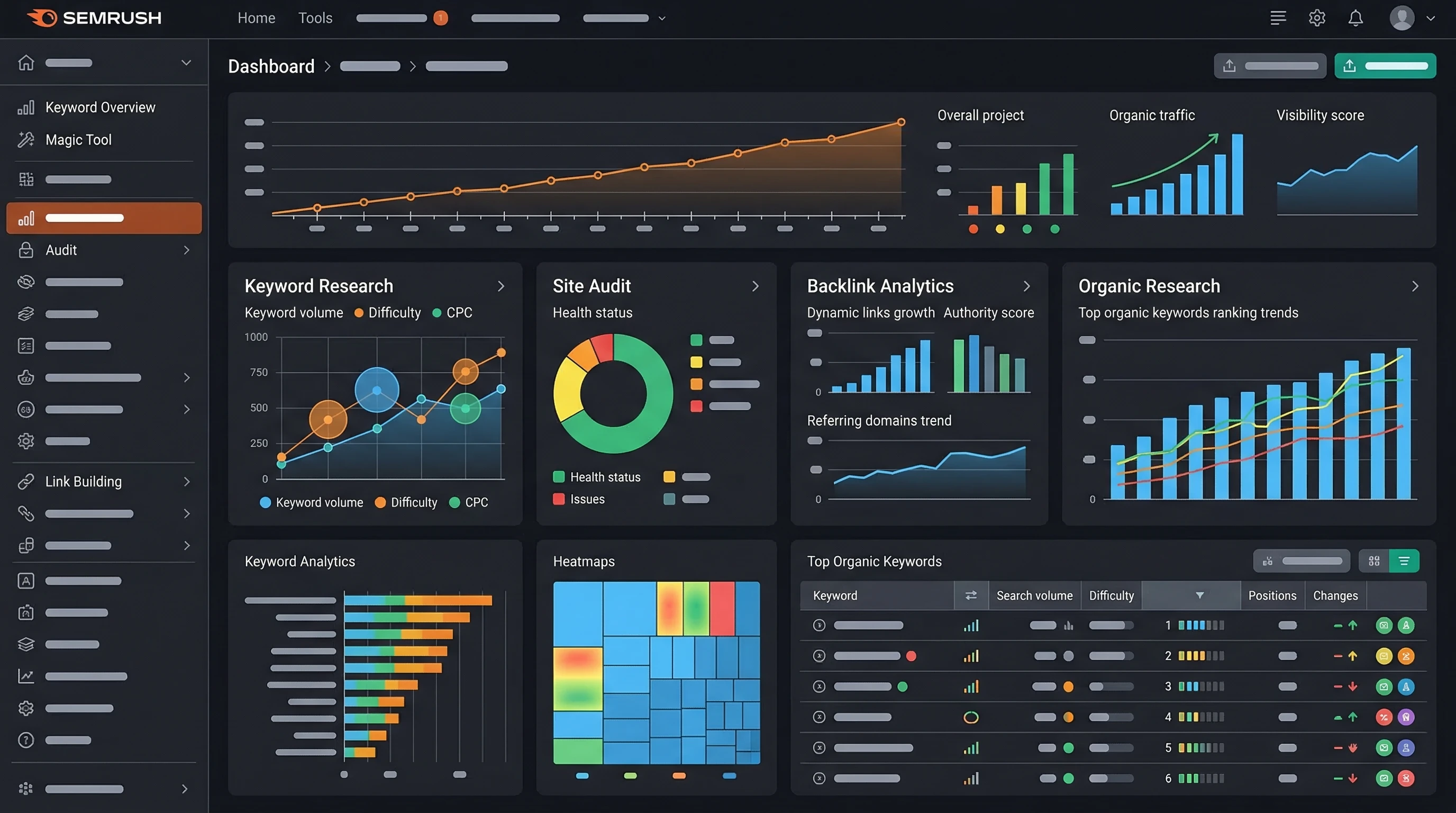
SEMrush dashboard for affiliate marketingAffiliate marketers have more tools at their disposal than ever before, but few offer as much as SEMrush. I’ve used SEMrush for years and it’s become my go-to resource for researching keywords, checking out competitors, and tracking what’s working in my campaigns. If you’re new to SEMrush or just looking to get more from it, this step-by-step guide is for you.

SEMrush can feel a bit overwhelming at first, mostly because there’s just so much it can do. Learning how to set up projects, dig into the right reports, and make sense of all those numbers can make life a lot easier—and your affiliate earnings healthier, too. Whether you’re promoting products on your blog, managing multiple sites, or just curious about your competition, SEMrush can save you hours and help grow your online income.

I’ll walk you through the basics, point out features I’ve found super useful, and share practical tips you can apply right away. Here’s how I use SEMrush to build smarter affiliate campaigns from scratch.


Step 1: Set Up Your SEMrush Account

Getting started with SEMrush is pretty painless. After signing up and confirming your email, you’ll land in your dashboard. I make it a habit to set up a separate ‘Project’ for each affiliate site or campaign. This keeps all your data organized and helps you track everything from keyword rankings to site audits all in one place.

How to Create a Project:

  1. Click the “Projects” tab in the main menu.
  2. Hit “Add New Project” and enter your site’s domain.
  3. Name it something you’ll remember, like “mybestgadgets Affiliate.”
  4. Run a quick Site Audit for a health check.

Projects are pretty handy for keeping everything in one spot; rankings, backlinks, errors, you name it.


Step 2: Research Profitable Keywords

Keyword research is where I spend most of my time in SEMrush. For affiliate marketers, keywords mean money, so picking the right ones is really important. The Keyword Magic Tool is my favorite spot to brainstorm ideas and spot hidden gems your competitors might have missed.

Tips for Finding Good Affiliate Keywords:

  • Focus on buyer intent terms like “best,” “review,” or “vs.” (For example: “best wireless earbuds 2024”)
  • Check out “Questions” to see what people need help with.
  • Balance search volume and competition, don’t just chase the highest numbers.
  • Use filters to weed out high difficulty keywords you probably won’t rank for right away.

I always look for keywords with a decent search volume but low or medium keyword difficulty. That’s where new affiliate marketers can get traction fastest. Another good thing to do is check what is trending and what kind of search questions people ask in your niche to uncover even more targeted keywords you might have missed the first time around.


Step 3: Spy on Your Competitors

One of SEMrush’s coolest features is seeing exactly what your top competitors are doing. The Domain Overview and Organic Research tools show which keywords bring them the most traffic, which landing pages get the clicks, and even which backlinks are sending them juice. This info is gold if you want to outrank or copy what’s working for them.

How to Use Competitor Insights:

  1. Plug a competitor’s URL into the ‘Domain Overview’ tool.
  2. Scroll through their Top Organic Keywords and Landing Pages.
  3. Check their backlink sources, maybe there’s a blog or directory you could reach out to.

The “Traffic Analytics” report lets me see how much total traffic they get, what’s popular, and where their audience is coming from. Super helpful when you’re setting goals or looking for new content ideas. It gives you a clear benchmark of what is possible if you model some of the best-performing strategies your competitors already use.


Step 4: Keep Track of Keyword Rankings

Tracking your keyword rankings is pretty satisfying (or sometimes humbling). SEMrush makes it simple with the Position Tracking tool. I add any keywords I’m targeting, either from my own research or competitor analysis, and let it update daily or weekly.

Benefits of Position Tracking:

  • See which keywords are moving up or down over time.
  • Spot big jumps or drops, so you can tweak content or links quickly.
  • Set up local tracking if you’re targeting a specific country or city.

For each site, I like to set up alerts so I get a heads-up if anything switches up, especially on high value keywords. This type of data can show where you need to give a boost to pages or switch up your approach based on how the rankings trend over time.


Step 5: Audit and Optimize Your Website

If you’re sending traffic but not making sales, there could be site issues getting in the way. SEMrush audits can catch things like broken links, slow loading images, or missing meta tags. Every time I launch a new affiliate site, I run regular audits to keep things clean and Google friendly.

What to Look Out For in Audits:

  • Page speed problems (slower sites can hurt your rankings)
  • Missing or duplicate meta descriptions
  • Broken internal or outbound links
  • Mobile usability glitches

Fixing even small technical issues can often help you climb in the search results. If you’re not sure how to fix something, SEMrush gives step by step guides in most reports. Remember to go back and do periodical audits because old issues tend to pop up after site updates or plugin changes.


Step 6: Build & Monitor Backlinks

Good backlinks can make a big impact for affiliate sites, especially in competitive niches. SEMrush has a Backlink Audit tool and a Link Building Tool to help you spot where opportunities exist and quickly see if you’ve lost (or gained) any links over time.

Simple Backlink Building Strategies:

  • Look for resource pages, directories, or review roundups in your niche.
  • Reach out to blogs that have already linked to competitors.
  • Check for broken links on other affiliate sites and suggest your page as a replacement.

Staying on top of your backlink profile also protects you from spammy links that can actually drag your rankings down. SEMrush will alert you to toxic links, so you can take steps to disavow them and keep your SEO healthy.


Step 7: Track Your Results and ROI

Even the best research won’t help if you’re not measuring what matters. I use the ‘My Reports’ feature in SEMrush to create custom reports for each project. I’ll check things like keyword movement, new backlinks, site health, and estimated traffic. For bigger projects, I even connect Google Analytics for detailed revenue tracking. Monitoring these numbers is the best way to know where your biggest wins are coming from and where you can still level up.

Metrics to Keep an Eye On:

  • Organic traffic changes (going up is good, going down means something needs fixing)
  • Position changes for your highest earning keywords
  • Clicks and conversions for main affiliate links
  • Site errors or new technical problems

I like to check my stats weekly. This helps me react quickly if something’s off or double down on things that are working. Consistent reviews also let you spot trends early, so you can adapt your overall strategy and stay one step ahead in the affiliate marketing game.


Common Questions & Troubleshooting

Is SEMrush good for beginners?

It can look complicated at first, but if you stick to the basics—keyword research, rank tracking, and site audits—you’ll start seeing results fast. SEMrush Academy has free tutorials worth checking out, and their help docs are clear for most features. Over time, you can expand into advanced tools as your skills grow.

What if my site isn’t showing up in keyword reports?

New sites can take a while to appear. Make sure your site is indexed by Google first, and start building content around low competition keywords. Traffic and data will show up as you grow, so patience and steady effort really pay off. Sometimes you just need to wait a few weeks before results kick in.

How much does SEMrush cost?

Plans start around $120 per month, but there’s a limited free version for testing things out. If you’re serious about affiliate marketing, it pays for itself pretty quickly in the time you save and the insights you get. For those wanting to try before buying, the free plan is a good way to get a feel for the dashboard and see if it fits your workflow.


Action Plan for Affiliate Marketers

  1. Create a dedicated project for your affiliate sites.
  2. Pick a handful of buyer intent keywords to target this month.
  3. Set up rank tracking, backlink monitoring, and regular site audits.
  4. Tweak your content and links based on real data, not guesses.

Have a question, or want to share your favorite SEMrush tricks? Drop a comment. I’m always happy to swap stories and tips with other affiliate folks! If you stick with these steps and continue using SEMrush’s suite of tools, you’ll see your campaigns improve faster than you might expect. The key is to keep learning, stay curious about what’s working, and make adjustments as new trends and data emerge over time. Happy affiliate marketing!