
Make Money Online Guides.

Abstract graphic of laptop, money, and charts representing making money onlineIf you’ve ever wondered how people actually make money online, you’re not alone. Building an income from the internet might seem mysterious, but there are plenty of ways beginners can get started with real online earnings. I’ve spent years checking out different side hustles and online businesses, and I’m sharing the easiest steps and honest advice right here to help you skip the hype and find strategies that actually work.

There isn’t a onesizefitsall blueprint, and not every guide is going to be right for everyone. The good news is, with the right information, you can avoid common mistakes and start building online income streams that fit your skills and lifestyle.

In this beginnerfriendly guide, I’m breaking down how to choose your path, set up your accounts, and keep the momentum going, without any scams or toogoodtobetrue promises. Whether you want extra cash or are dreaming about fulltime online work, these tips will help you get started, stay safe, and grow your online income step by step.


Step 1: Figure Out Your Skills and Interests

Before jumping into any online moneymaking guide, it helps to look at what you’re actually good at or what you enjoy doing. You don’t need to be a tech wizard or a creative superstar. There’s something for everyone, whether it’s writing, organizing, teaching, or even playing games.

Questions to Ask Yourself:

  • What do friends or coworkers say you’re good at?
  • Do you prefer working alone or with others?
  • How much time can you realistically spend online each day or week?
  • Which activities excite you, and which ones feel like work?

Popular Online Income Paths:

  • Freelancing services like writing, design, or coding
  • Online surveys and microtasks
  • Printondemand, dropshipping, or ecommerce
  • Affiliate marketing and content creation
  • Virtual assistant work
  • Teaching or tutoring through video conferencing platforms

Choosing something you like (or are at least curious about) helps keep you motivated while you learn the ropes. For example, someone who likes helping others might find online tutoring more rewarding than microtasks, while creative folks may enjoy printondemand or content creation more.


Step 2: Set Up the Basics (Accounts, Devices, and Safety)

Before you start applying for gigs or selling online, you’ll need some key accounts and tools. Having these ready makes it easy and helps protect you from common mistakes along the way.

What You’ll Need:

  • A reliable computer or smartphone. Nothing fancy needed, but keep it updated and secure.
  • Email address just for side hustles. Keeps your work organized and protects against phishing.
  • Payment accounts like PayPal, Payoneer, or your country’s favorite service. Set these up early to get paid quickly.
  • Strong passwords and twofactor authentication. Don’t skip this because online work means personal info is at risk if you’re not careful.

Pro Tip:

Research any platform before signing up. Look over reviews, check for scam reports, and take time to read their terms so you’re not caught off guard by fees or odd payout policies. Taking this extra step now can save you time and frustration later.


Step 3: Pick a BeginnerFriendly Income Stream

Knowing where to start can feel overwhelming because there are so many options, but some methods are easier and more beginnerfriendly than others. The key is to start with something simple that matches your interest and available time.

Easy Ways to Start Making Money Online:

  • Microtask Websites: Platforms like Amazon Mechanical Turk, Swagbucks, or Clickworker let you complete quick tasks for small payments. These are great for getting started and learning how payout systems work without a big commitment.
  • Freelancing Platforms: Upwork and Fiverr are good spots to create your first service. You can offer anything from writing resumés to editing simple videos. Even entrylevel skills are in demand—you’d be surprised what people are willing to pay for online.
  • Online Tutoring: Sites like Cambly, Preply, or Tutor.com let you teach your favorite subjects or just help others practice a language.
  • Affiliate Marketing: By sharing affiliate links on social media, Pinterest, or your own free blog, you can earn commissions when someone buys through your link. It’s a lowrisk way to get into online sales and see how internet marketing works.
  • Printondemand Stores: If you like simple design, you can start a shop on Teespring or Redbubble and sell your art on t-shirts and mugs, with no inventory or shipping worries.

Choose just one income path to start. Master it, then branch out if you like. Learning how each system works takes practice, so focus on making steady progress before mixing in other options to avoid burnout.


Step 4: Avoid Scams and TooGoodtoBeTrue Promises

The internet is full of offers that seem eye-catching but often end up costing you money or time. Staying safe online is super important, especially for beginners.

How to Recognize Common Scams:

  • Upfront payments: If a “job” asks for a startup fee or charges you to apply, that’s a major red flag.
  • Unrealistic earnings: Anyone promising thousands per week for just a few hours’ work is likely exaggerating, or it could be a scam.
  • No clear contact info or business name: Stick to platforms with real reviews and a public track record.
  • Pushy recruiters: Highpressure tactics and claims of “exclusive” positions should be avoided.

Where to Find Trusted Guides or Reviews:

  • Look at user reviews on Trustpilot or Reddit’s online income communities.
  • Read thirdparty guides like NerdWallet’s guide to making money online.
  • Compare several platforms before sharing your time or personal info.

Careful research helps you make better choices and keeps your money and data safe while getting started. Don’t ever feel rushed—if anything feels off, it’s okay to walk away.


Step 5: Build a Consistent Weekly Habit

Online income is usually about steady effort, not quick wins. Setting up a realistic schedule helps you keep moving forward, even when things feel slow at first. Consistency turns small wins into bigger gains over time.

Tactics for Staying Consistent:

  • Set aside specific days or times for your online work. Even a few focused hours per week can add up over time.
  • Track progress in a simple spreadsheet. Record your earnings and tasks completed. It helps you see actual results and notice what’s working.
  • Join online communities or forums. Support from others in the same boat is extremely helpful for motivation and troubleshooting problems.
  • Mix in learning time. Set aside 10-15 minutes each week to watch a how-to video or read up on platform changes so you’re always improving your skills.

The more consistently you show up, the quicker things become familiar, and the more your income can grow. Over time, your experience will help you spot the best opportunities faster.


Common Questions & Troubleshooting

How long does it actually take to see results?

Most people see their first few dollars within about a week or two of steady effort. Growing your income will take some trial and error as you figure out what really pays off based on your skills and available time.

What’s the fastest payout method?

  • Online surveys or microtasks. These often pay instantly or within a few days through PayPal or similar services.
  • Freelancing platforms. Usually pay about a week after your work is approved.

Do I need to worry about taxes?

If you earn online income, it’s usually subject to taxes. Keep a record of everything you make and check your country’s rules for freelancers or small businesses. Many people start with just a simple spreadsheet or a free app to keep track of earnings and expenses.

What if I’m not tech-savvy?

You don’t need to be a computer expert to get started with making money online. Most platforms are very userfriendly and provide clear instructions, plus there are lots of free tutorials or videos available for beginners. If you can send emails, fill out forms, and use basic apps, you’re ready to go! If you ever feel lost, online communities like Reddit or Facebook groups can answer questions and give support.


Action Steps to Get Started

  1. Pick one online income path that sounds interesting (freelancing, surveys, printondemand, etc.) and sign up today.
  2. Set up a dedicated email and payment account to keep everything organized and safe.
  3. Schedule your first work session and start out small, focusing on learning by doing.
  4. Join a community forum or read a few trusted guides to get tips and avoid mistakes.

Building online income might feel slow in the beginning, but it can be rewarding as you get the hang of it. You don’t have to try everything at once. Take one step at a time, track your progress, and watch your confidence and income grow. Remember, the best results come when you stay patient, protect your data, and stick with your plan. Anyone can do it with the right start. Good luck!

Digital Skills & Courses.

Picking up digital skills is one of the smartest moves right now, especially when you want to boost your career options or set up reliable income streams from anywhere. With technology growing quickly, so many platforms offer curated online courses to help anyone learn, no matter their background. I’ve spent a lot of time trying out different courses and researching which ones really add value, so I can share my personal experiences and advice for people ready to take the plunge.

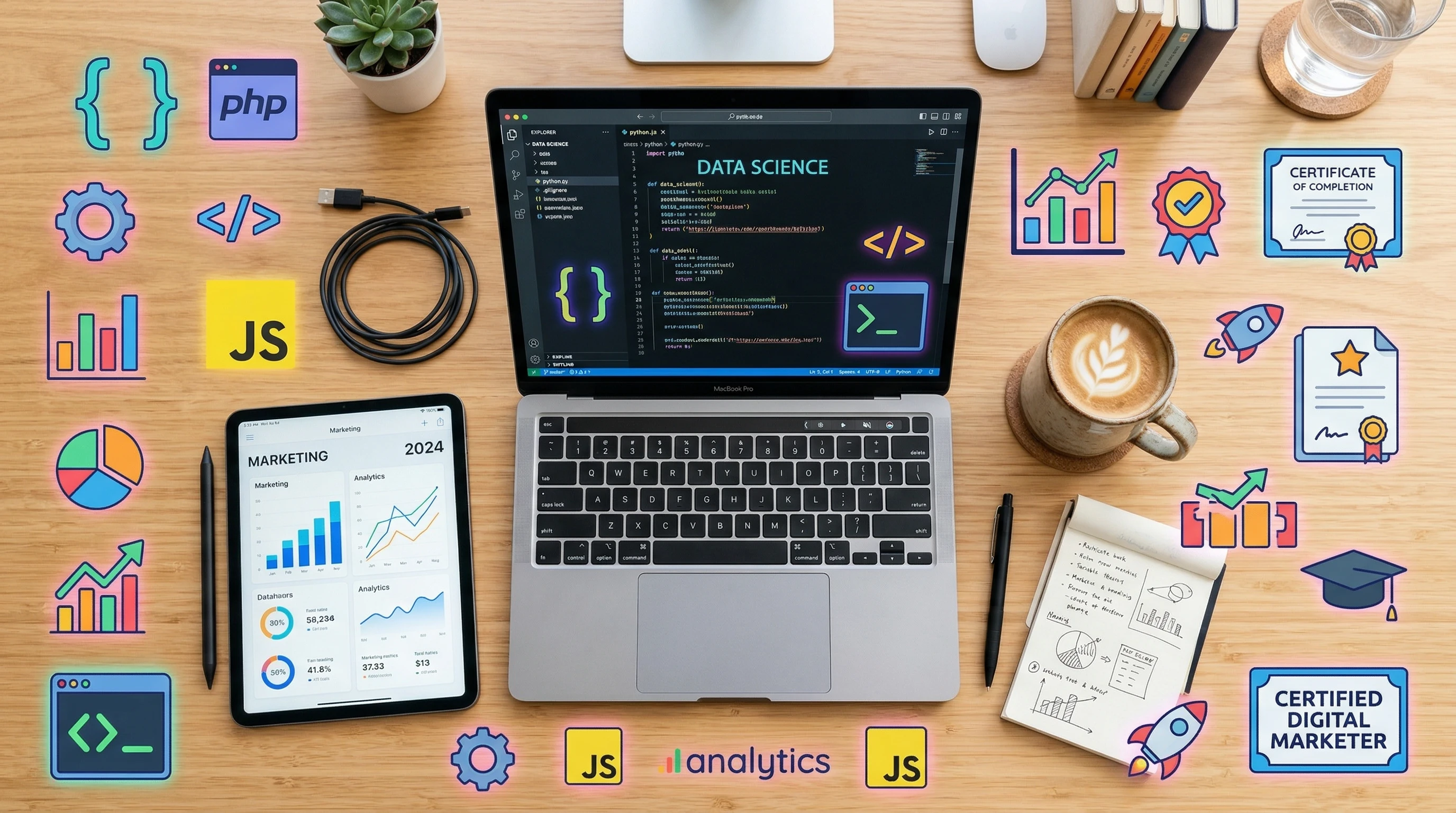
A vibrant desktop with a laptop, tablet, and coffee cup, surrounded by digital learning icons like coding symbols, charts, and certificates.

Why Digital Skills Matter for Career and Income Growth

Digital skills show up pretty much everywhere nowadays, far beyond just IT or computer science. If you know the basics of web design, social media, ecommerce, or even just how to use popular productivity tools, you’re often ahead of the pack. Many jobs and personal business ventures now depend on tech, so learning these skills helps people stay flexible as the work world keeps changing. I’ve seen friends completely change careers because they picked up skills online. They started with zero tech experience but found new opportunities fast after finishing targeted courses.

Big shifts in how companies do business mean there’s strong demand for people who know at least the basics of digital marketing, web development, or data analysis. The number of remotefriendly jobs has grown fast, and side hustles like affiliate marketing, online tutoring, and freelance design are all rooted in digital knowhow. Reports from LinkedIn and the World Economic Forum show digital skills as being in the top five most sought-after “meta skills” in today’s work environment.

How to Get Started: Picking the Right Courses

If you’re just starting out, the choices can feel overwhelming. There are loads of courses out there—from short free videos to deep, professional certifications. Take a bit of time to think about your goals. Are you looking to earn certificates for job applications, start freelancing, or build your own business online? Here’s how I usually narrow things down:

  • Identify Skill Gaps: I list what I know and what I need to learn, whether it’s basic Excel skills, graphic design, or coding.
  • Check Reviews: Looking at reviews from real users helps spot any overrated courses or hidden gems.
  • Test Free Content: Free trial periods or sample lessons are great for checking if an instructor’s style works for you.
  • Consider Certification: If you plan to use the skill for job applications, a recognized certificate can give you an edge.

Udemy, Coursera, LinkedIn Learning, Codecademy, and Skillshare are a few platforms I keep coming back to. Each one has its strengths, depending on whether you want projectbased learning, specific software skills, or broader business concepts. It pays to explore a few and see which suits your needs best.

Quick Guide to Building Digital Income Systems

Learning a skill is only half of the picture when you want to actually create an income stream. Setting up income systems takes a combination of planning, practical steps, and a little bit of trial and error. Here’s my go-to routine for building reliable digital income sources:

  1. Pick a Profitable Skill: Focus on skills that people and businesses are actively looking for, like social media management, SEO, or video editing.
  2. Complete a Curated Course: Pick wellreviewed courses that offer hands-on projects—a portfolio is super useful for landing gigs.
  3. Start Small: Take on freelance platforms (Upwork, Fiverr) or help friends and local businesses first, just to get real-world experience.
  4. Build an Online Presence: Set up simple websites or portfolio pages to showcase projects, and keep your social profiles updated with your progress.
  5. Automate Where Possible: Tools like Mailchimp, Zapier, or Canva let you run parts of your business on autopilot, so you can spend more time on higher-value tasks.

Combining these steps helps you move from learning to actually earning. I’ve seen this route work not just for myself but for many people I’ve supported and coached.

You don’t have to do everything at once. Start with one income channel—freelancing, ecommerce, or content creation—and expand as you feel more comfortable.

What to Consider Before Choosing a Digital Skills Course

Not every digital course offers great value, and some are more hype than substance. Here are a few hurdles and tips I keep in mind when picking the right course:

  • Quality vs. Quantity: A course crammed with long, unfocused videos can be hard to finish. I look for structured content, practical exercises, and clear learning paths.
  • Hidden Costs: Watch out for upsells, recurring fees, or extra charges for certificates. Reading the fine print saves some headaches later.
  • Outdated Materials: Tech courses can get old pretty fast, especially in areas like SEO or app development. It’s worth checking on course update frequency and community feedback.
  • Credibility of Instructor: Instructors with hands-on industry experience (not just good presentation skills) usually provide more actionable tips. Looking up reviews or LinkedIn profiles helps here.

Quality vs. Quantity

A course doesn’t need hundreds of hours to teach you what you need. When I started with web design, the best value came from focused, hands-on lessons. Even if they were short, worksheets, miniprojects, and quizzes helped ideas stick much better than endless lectures.

Hidden Costs

Some “free” courses end up charging for things like certificates, graded assignments, or even access to quizzes. Reading FAQs and student discussion boards helped me avoid a few surprise charges in the past. Platforms like Coursera often have both free and paid versions, so it’s helpful to compare before you sign up.

Outdated Materials

Web development and digital marketing change regularly. If I see course feedback mentioning old content or broken code, I generally skip it. Platforms that have a review system or show last-updated dates make it easier to avoid these duds.

Credibility of Instructor

Sometimes you’ll find YouTubestyle “influencers” teaching a course, but they’ve never actually worked with real clients. Searching for bios, professional experience, and real-world case studies lets me figure out if their insights are trustworthy. Courses that include these stories tend to be more useful and relatable.


Most obstacles are pretty easy to manage with some upfront research and a willingness to experiment. Keeping an open mind and being clear about your personal goals can really power up your learning process.

Pro Tips for Accelerating Digital Skills & Earning Potential

I’ve picked up quite a few tricks after spending hours learning online and working on digital projects. A few tips can make your adventure smoother and help you reach earning goals faster:

Focus on Transferable Skills: Mastering things like project management, copywriting, or basic analytics means you can switch between industries with less friction.
Why This Helps: It keeps your options wide open. I switched from working in marketing to managing small ecommerce stores using the same foundational skills.

Stack Related Skills: Pairing web design with SEO, or content writing with email marketing, can double your earning potential.
Why This Helps: Many clients and employers want someone who can wear more than one hat, especially on small teams. This flexibility increases your chances of getting hired.

Apply Skills As You Learn: Working on your own website, starting a small blog, or volunteering to help a community group lets you put new knowledge into practice. Hands-on experience cements what you pick up much faster than just watching lessons.

These strategies make learning more effective and usually get you earning faster. The digital world rewards people who keep experimenting and applying skills in real situations. Staying curious and always seeking out small project opportunities pays off over time.

Top Entry-Level Digital Courses Worth Checking Out

Some starter courses consistently get good feedback from beginners. I’ve tried a few myself, while others are recommendations from trusted contacts and online communities:

  • SEO Fundamentals (Coursera / Google Digital Garage): Easy explanations plus industry-recognized certificates.
  • Social Media Marketing (HubSpot Academy): Compact, hands-on modules that are packed with practical advice and examples you can apply right away.
  • Basic HTML & CSS (Codecademy): Interactive, project-based lessons good for total newcomers.
  • Canva Graphic Design School: Super useful for learning design without needing to use complex software or invest in fancy programs.
  • Excel for Beginners (LinkedIn Learning): Covers core data skills needed for remote or office jobs, with lots of practical exercises.

These courses are just a jumping-off point, but they play well with many types of online income ideas and career moves. As you develop your skillset, you might find yourself drawn to specialized areas or want to mix in some variety with more advanced training.

  • Freelancing and Consulting: Digital skills open doors to projectbased gigs or ongoing consulting. These are two of the most popular online income paths right now, and good places to start if you want flexibility or side work.
  • Ecommerce Stores and Dropshipping: Knowing your way around web design, Shopify, or email marketing is key here, and there’s no shortage of how-to tutorials for beginners.
  • Digital Content Creation: Video editing, social media management, and blogging all rely on digital tools pretty heavily. These paths can grow fast into reliable income if you build an audience or client list.

If you want to make the most of opportunities, always look out for new tools and courses. Technology moves fast, but if you keep learning, you’ll be set up to take advantage of fresh trends.

Frequently Asked Questions

People usually have a lot of questions before jumping into digital learning. Here are a few I hear most often, along with some personal advice:

Question: What’s the easiest digital skill to start with if I have zero experience?
Answer: Social media management or basic graphic design (like Canva) are both friendly starting points. These fields require minimal tech background and give you a real boost in confidence as you finish small projects.


Question: Can I actually get a job or start a business just from online courses?
Answer: Absolutely. I’ve landed freelance gigs through portfolios built from course projects, and I know others who’ve moved into remote jobs entirely after leveling up with just a few targeted courses.


Question: How long does it take to build an online income using digital skills?
Answer: It varies a lot. Some people start freelance jobs within a few weeks, but consistent, reliable income usually takes a couple months, especially if you’re working on your own business or side hustle. Consistency makes a big difference—and sticking with learning is key.


Taking the Leap: Learning and Earning with Digital Skills

Getting started with digital skills is one of the best investments for future growth and flexibility. Whether you’re looking to get hired, kickstart a side hustle, or just make yourself more adaptable in a changing job market, there’s a course and path out there for you. I’ve seen it change my life and the lives of people around me. With a little research, an open mind, and the willingness to practice what you learn, you’ll be setting yourself up for real success in the digital world. Don’t be afraid to make mistakes—every project is a chance to learn something new.

Affiliate Marketing Tools

Affiliate marketing has become a smart way to earn passive income, but most people new to the field underestimate how much easier things get with the right tools. I’ve spent years checking out different affiliate marketing platforms and software, and I can say that picking the best tools saves time, boosts income, and keeps things organized. This article is a practical guide to the affiliate marketing tools I find most useful for beginners and those looking to scale up quickly.

Illustration of various digital affiliate marketing tools and dashboards

Why Affiliate Marketing Tools Matter

Affiliate marketing means earning a commission by promoting someone else’s product or service. While it may sound simple, success in this business depends on streamlining your workflow and making data-driven choices. The right tools automate repetitive tasks, track progress, and show where your efforts are working or need improvement. As more people join the affiliate marketing space, software solutions are changing to help you stay competitive, from traffic analytics to link management.

The affiliate marketing industry has grown rapidly, thanks to the rise in online shopping and digital content. According to Statista, affiliate marketing spending in the United States is projected to reach $8.2 billion by 2022, up from $5.4 billion in 2017. This growth means there are more products to promote and new tools to help you stand out, even if you’re just starting out. The landscape continues to adapt as technology moves forward and consumer habits evolve, making it important to keep your toolkit current.

Getting Started with Affiliate Marketing Tools

I recommend focusing first on basic tools that help you track links, manage content, and monitor performance. Many beginners get overwhelmed at first, but starting small is fine. Each step helps you build a strong foundation so you can scale up smoothly later.

  • Affiliate Networks: These platforms connect you with brands and manage tracking and payments for commissions. Popular examples include ShareASale, CJ Affiliate, and Amazon Associates.
  • Link Management: Tools like Pretty Links or ThirstyAffiliates help shorten, cloak, and organize affiliate links, while tracking how many clicks they receive.
  • Analytics: Google Analytics and similar platforms show where your visitors are coming from, which pages they view, and which promotions work best.

It’s also helpful to look into basic content management systems, such as WordPress, which enable you to put together articles and reviews around affiliate offers. Website builders with easy templates help new affiliates quickly start publishing without needing coding skills. As your site grows, adding more advanced plugins can save you more time and provide even more detailed information on your campaigns.

Quick Guide: Setting Up Your Affiliate Marketing System

Here’s a clear path for getting started with affiliate marketing tools, based on what’s worked for me:

  1. Sign Up for an Affiliate Network: Pick one that matches your niche and start with a program that pays regularly.
  2. Organize Your Links: Use a link management tool to keep affiliate links tidy and track their clicks.
  3. Add Analytics: Integrate Google Analytics (or similar) on your site to understand your audience and track conversions.
  4. Automate Content Posting: Tools like Buffer or Hootsuite help auto-schedule social media posts, keeping your content active without taking up your whole day.
  5. Test and Optimize: Use split-testing tools like Google Optimize to compare different headlines, content, or calls-to-action and see which perform better.

Building up these basics helps create a workflow that fits your style and saves hours every month. As you get more comfortable, you can add more features and integrate additional tools.

Considerations Before Choosing Affiliate Tools

Selecting the right tools for affiliate marketing can feel overwhelming. I’ve found it really important to focus on ease of use, cost, support, and how well the tools fit into what I already use. Here are some things I look for:

  • Ease of Setup: Beginnerfriendly interfaces and step-by-step guides save time and reduce stress.
  • Pricing: Start with free plans, but keep an eye out for value when you’re ready to upgrade to paid versions.
  • Features: Prioritize core needs first, like link tracking and reporting, before paying for extras you may not use at the start.
  • Compatibility: Make sure software and plugins work with your website platform (such as WordPress, Wix, or Squarespace).
  • Customer Support: Reliable help is really important, especially when you run into unexpected issues.

Link Management

Keeping affiliate links organized prevents confusion later. I use tools that let me create custom URLs, group links by product or campaign, and see which links get the most clicks. This makes it much easier to update expired links or mix up focus to higher-performing offers. A good link management system also helps you spot any broken links and fix them quickly, ensuring you don’t miss out on commissions due to simple mistakes.

Conversion Tracking

Understanding which content drives sales helps focus efforts on what works, instead of guessing. Conversion tracking tools, often integrated with affiliate networks or Google Analytics, show visitor journeys from first click to purchase. This feedback has allowed me to refine my strategies and step up earnings over time. When you can see the full customer path, it becomes much easier to test new campaigns and track down what’s truly bringing in results.

Page Load Speed

Slow websites drive potential buyers away. Tools like GTmetrix and Google PageSpeed Insights help me test website performance and tweak settings to keep things fast. Fast pages also score better with Google search, helping me attract more organic visitors. Paying attention to speed is essential, because every second your site takes to load can reduce the chance of making a sale.

Advanced Tools and Strategies

After you’re comfortable with the basics, there are more advanced tools and tactics that can help grow your profits and simplify more of your business. I’ve found these solutions valuable, especially once I started managing multiple affiliate programs:

  • Email Marketing Platforms: Mailchimp, ConvertKit, and AWeber automate newsletters, course delivery, and promotions based on subscriber actions. Segmenting lists by interest boosts open and conversion rates.
  • Competitive Research Tools: SEMrush and Ahrefs let you analyze which keywords, content, and links are working for your competitors, giving you inspiration for your own campaigns.
  • A/B Testing: Tools like Optimizely and Google Optimize help you compare two versions of a page. This lets you try out new offers, headlines, layouts, or calls-to-action and quickly see what performs better.
  • Website Builders and Landing Page Creators: Services such as Leadpages and Unbounce make it easy to launch custom landing pages that focus on a specific product or promotion. Tightly focused pages often convert better than general site pages.
  • Affiliate Marketing Plugins: For WordPress users, plugins like AffiliateWP and Pretty Links Pro add options like automatic link cloaking, detailed reports, and even commission payout systems if you run your own program.

Some affiliate marketers branch into paid advertising using tools like Google Ads or Facebook Ads, which integrate well with analytics and landing page systems to create testable, scalable campaigns. If you choose to expand into advertising, remember to keep tracking expenses and returns closely to avoid overspending.

What Tools Mean for Real-World Results

Having the right toolkit directly impacts affiliate marketing results. For example, keeping links organized prevents losing track of which products are live and ensures you always earn commissions, even when URLs change. Accurate analytics help you avoid wasting time on low-performing campaigns, and better email automation builds lasting customer relationships, leading to recurring revenue.

  • Blog Owners: Use affiliate link plugins and email marketing to send targeted offers after new posts go live.
  • YouTubers: Rely on trackable, shortened links for video descriptions so you can see exactly which product mentions are driving revenue.
  • Course Creators: Integrate affiliate links into course modules, then use analytics to see which lessons or bonuses get the most clicks.

If you operate in a niche with lots of competition, advanced tools can help you set your site apart by showing where to focus your efforts and automating many tasks that would take hours to handle manually.

FAQs About Affiliate Marketing Tools

I often receive questions from new affiliates about which tools to start with and how to avoid wasting money. Here are a few things I get asked most often:

Question: Which tool should I get first?
Answer: Begin with one affiliate network and a free link management plugin. As your site grows, add analytics and automation tools.


Question: Do I have to pay for good tools?
Answer: Many useful tools have free versions. Paid upgrades are helpful once you start making consistent commissions or need to save time managing bigger campaigns.


Question: Can affiliate marketing tools help me avoid mistakes?
Answer: Yes. Analytics and link management tools help spot broken links or offers that don’t perform, so you can address issues before missing out on earnings.


Building Your Affiliate Marketing Toolkit

Growing a successful affiliate marketing business means gradually building a toolkit that fits how you work. My experience has shown that the right mix of link management, tracking, analytics, automation, and research platforms simplifies the process and helps reach goals faster.

I always suggest starting small, keeping things simple, and then adding new tools when you feel ready. As you grow, continue to review what’s working for you and don’t be afraid to try new tools when your workflow needs a boost. Affiliate marketing changes fast, but with the best tools in place, you’re in a strong position to keep up and enjoy the rewards of your effort.

Ai Tools For Marketers, 2026.

AI tools keep changing how marketers get things done, especially as more of the work switches toward smart automation. By 2026, marketers looking to write, design, and publish faster than ever are finding themselves spoiled for choice. I’ve been using and reviewing these tools for a while, and I’ve seen how much time and brainpower they can save when you pick the right ones for your workflow. Here’s a rundown of what’s hot in AI powered marketing and how different tools can seriously speed up your campaigns.

A vibrant digital workspace with futuristic AI-powered writing, design, and publishing tools floating around a glowing computer.

Why AI Tools Matter for Marketers in 2026

The switch toward AI enabled marketing has picked up even more speed lately. Marketing tasks that used to chew up hours—like coming up with headlines, designing ad creatives, or even scheduling posts—are now a lot easier to automate. The biggest advantage is how much faster you can move from idea to published content, letting you outpace competitors in a crowded digital landscape. Research from Gartner suggests that over 80% of marketing teams will have adopted at least one AI driven solution by 2026, showing just how popular these tools have become.

Integrating AI also frees up more headspace for creative thinking. Rather than doing repetitive grunt work, you get to focus on branding, strategy, and connecting with your audience. Several brands I work with have doubled their weekly output without hiring more people, simply by smartly using AI tools for content tasks. The trick is figuring out which tools fit your style and business goals.

Getting Started: The Three Main Types of AI Tools for Marketers

Most marketers in 2026 rely on three main categories of AI tools: writing assistants, design generators, and publishing/scheduling bots. Each category has its specialties, and using them together delivers an even bigger punch. Here are some basics about each type:

  • AI Writing Assistants: These tools use machine learning to generate blog posts, emails, social content, and even complex reports, often in seconds. They’re ideal for marketers who need a lot of content but don’t want it to feel robotic or overly formulaic.
  • AI Design Tools: With AI powered design, you can crank out visuals, banners, ads, and even videos without an inhouse design team. The latest tools understand your brand preferences and can even suggest design tweaks for better engagement.
  • AI Publishing & Scheduling Tools: Automation here means less manual posting and tracking across platforms. Some bots also predict the best times to share content to maximize reach and engagement.

I use all three categories daily. They work even better when connected, for example, a writing tool that sends drafts to a design tool for visuals, and then straight to a publishing bot after review.

Your Quick Guide to Working Faster with AI: Steps and Tips

Getting the most out of AI tools in marketing comes down to blending them effectively and knowing their strengths. Here’s how I streamline campaigns from start to finish:

  1. Choose the Right Writing AI: Find a tool that fits your tone and allows you to customize content by audience segment. Some even let you set brand guidelines so every email and post sounds on target.
  2. Add a Favorite Design Generator: Plug your written content into a design engine that automatically builds graphics, YouTube thumbnails, or catchy banners. Look for options with lots of templates and easy customization so you can add your own flair.
  3. Set Up Publishing Automation: Use scheduling bots that connect with your CMS or social channels. The best ones also give feedback on when to post based on previous campaign data.
  4. Test, Optimize, and Refine: Run A/B tests and track how content performs. Most current AI platforms come with analytics and will even suggest improvements for next time.
  5. Stay Up to Date: AI platforms roll out new features regularly, so checking release notes can reveal ongoing improvements you might miss if you’re not paying attention.

This routine helps me publish blog content, launch crossplatform campaigns, and design ads faster than ever, skipping past a lot of old process bottlenecks.

Things to Consider Before Adding AI Tools to Your Marketing Stack

Choosing the right AI tool stack can feel overwhelming with so many launches on the market. Here are some factors and challenges I keep in mind when picking new software:

  • Learning Curve: Some tools are super intuitive with draganddrop interfaces, while others need a bit more effort to get used to. If your team isn’t very technical, prioritize tools with excellent guides and helpful support.
  • Content Accuracy & Tone: AIgenerated writing has improved massively, but it’s still key to review output before it goes public. I’ve caught the occasional awkward phrasing or an off fact that needed checking.
  • Brand Consistency: Good AI tools let you set up tone, style, and forbidden words to keep things onbrand. Spending time up front here sets the right direction for everything that follows.
  • Pricing: Subscription fees vary a lot. Sometimes, a free plan gives you everything needed; other times you need premium features for heavy usage or advanced integrations.

Learning Curve

Some of the latest AI tools have much simpler user experiences now. Features like onboarding tours, sample templates, and 24/7 chatbots make learning faster. If I’m bringing on a new team member, I choose tools that need little training or have builtin tutorials, which helps get everyone up to speed quickly.

Content Accuracy & Tone

Fact checking AI generated pieces is worth the extra effort. While most platforms are accurate, factual slipups might happen, particularly around trending topics. I always do a quick scan and make minor edits when needed. This keeps my content trustworthy and high quality.

Brand Consistency

AI content platforms now let you create brand profiles or upload style guides, keeping things consistent. I also set up rules for things like approved color palettes and specific voice guidelines to avoid random surprises across campaigns.

Pricing

Entry level tools are often free for lighter use but may limit features or content volume. Higher tier plans can get pricey but are worth it if you’re running lots of campaigns or need higher security. My tip is to balance cost against what you’re really using, so you’re not paying extra for things that just add clutter.

It’s easy to get excited about shiny new tools, but these practical considerations help make sure the tools you pick match your workflow and budget rather than becoming distractions.

Pro Tips and Next Level Moves with AI Tools

Once you’re past the basics, AI can really start to upgrade how you create and promote content. Here’s how I take things up a notch:

Mix and Match Tools: Don’t be afraid to connect multiple tools to handle different campaign parts. For example, pair a longform AI writer like Jasper or Writer with a visual tool like Canva or Visme, then hook everything to your favorite scheduling platform for a seamless experience.

Automate Brand Voice Checks: Some platforms now scan content for style and brand matches before publishing, fixing tone and errors all on their own.

Track Performance Using AI: Several AI analytics platforms track which posts or designs hit the mark and will even suggest content tweaks for better engagement each time.

Keeping an open mind and always looking for new integrations helps me get better outcomes with each campaign cycle.

Where AI Tools Shine Most for Marketers

AI’s biggest perks are speed, inspiration, and the power to quickly adapt. I use AI tools to:

  • BulkCreate Social Media Posts: Spin up a week’s worth of posts in one go, customized for each platform.
  • AB Test Headlines and Designs: Auto generate multiple versions and get performance predictions before you ever publish.
  • Breathe New Life into Old Content: Tools can refresh, rephrase, and redesign dated blog posts or ads, making evergreen topics feel fresh.

Marketers now can match the output of much larger teams without sacrificing quality. Clients especially appreciate the faster turnaround on campaigns, and engagement stats often improve with the right AI input in the mix.

Frequently Asked Questions

Here are a few of the questions I hear most often from marketers interested in AI tools:

Question: How do I keep my marketing content sounding natural when using AI?
Answer: Most top platforms offer humanlike tones and let you choose style presets. I always give content a quick human read before sending it live for that final polish.


Question: Can I fully automate my marketing with AI tools?
Answer: You can automate most repetitive tasks, but personal insights and adaptations still need a human touch. This is especially true around campaign strategy and customer response.


Question: Do free AI tools work as well as paid ones?
Answer: Free tools are great for trying things out or handling low volume tasks. For bigger needs or advanced features, premium plans usually offer much more flexibility and better support.


AI powered marketing in 2026 is all about blending smart tools with creative energy, letting you write, design, and publish faster. More marketers are taking advantage of these helpful bots, and it’s a trend that’s only going to keep growing as platforms add even more features. Keeping your workflow sharp and staying tuned in to fresh AI launches ensures you’ll be ready to keep up—or even stay ahead—of the rest of the field.

Unlock Your Future: Top Networking Tips for University Students

As a university student, your academic journey is crucial, but equally vital is building a robust professional network. Networking isn’t just about finding a job after graduation; it’s about opening doors to internships, mentorships, collaborations, and a deeper understanding of your chosen field. In today’s competitive landscape, effective networking can give you a significant edge. Here are the top networking tips to help university students like you build valuable connections and pave the way for a successful career.

1. Start Early and Strategically

Don’t wait until your final year to begin networking. The earlier you start, the more time you have to nurture relationships. Begin by identifying your career interests and researching individuals or companies within those sectors. This strategic approach ensures your networking efforts are focused and productive.

2. Leverage Your Campus Resources

Your university is a hub of networking opportunities. Make the most of:

  1. Career Services: These departments often host workshops on networking, resume building, and interview skills. They also organize career fairs, bringing employers directly to you.
  2. Alumni Networks: Your university’s alumni are often eager to help current students. Connect with them through official alumni platforms or LinkedIn for informational interviews and potential mentorships.
  3. Generated by replicate
    Student Organizations and Clubs: Joining clubs related to your major or interests is an excellent way to meet like-minded peers, faculty, and even guest speakers who are professionals in their fields.

3. Master Your “Elevator Pitch”

An elevator pitch is a brief, compelling summary of who you are, what you do, and what you’re looking for. It should be no longer than 30-60 seconds and easily adaptable. Practice it until it feels natural. This concise introduction is invaluable when meeting new people at events or career fairs.

4. Optimize Your Online Presence

In the digital age, your online profile is often the first impression you make.

  1. LinkedIn is Your Professional Hub: Create a comprehensive LinkedIn profile showcasing your academic achievements, skills, internships, and volunteer experiences. Connect with classmates, professors, and professionals in your target industries. Actively engage by sharing relevant articles and participating in discussions.
  2. Professional Email Etiquette: Ensure your email address is professional, and your communication is always polite, clear, and concise.

5. Attend Industry Events and Career Fairs

Step outside your comfort zone and attend events relevant to your field. These include:

  1. Career Fairs: Research participating companies beforehand and have specific questions ready. Dress professionally and bring multiple copies of your resume.
  2. Workshops and Seminars: These events offer learning opportunities and a chance to meet speakers and attendees who share your interests.
  3. Guest Lectures: Many universities invite industry leaders to speak. Attend these sessions and try to ask insightful questions, as it can lead to direct interactions.

6. Focus on Building Genuine Relationships

Networking isn’t about collecting business cards; it’s about forming authentic connections. Show genuine interest in others, listen actively, and offer help where you can. Remember, networking is a two-way street. Think about how you can add value to others, not just what you can gain.

7. Follow Up Thoughtfully

After meeting someone, a timely and personalized follow-up is crucial. Send a brief email within 24-48 hours, referencing something specific you discussed to jog their memory. Reiterate your appreciation for their time and express your interest in staying connected. Avoid generic templates.

8. Seek Mentorship

Identifying and connecting with a mentor can be transformative. A mentor can provide guidance, share experiences, and offer invaluable advice as you navigate your academic and early career journey. Look for individuals whose career path inspires you and respectfully express your interest in learning from them.

9. Be Confident, Proactive, and Persistent

Networking requires a proactive mindset. Don’t be afraid to initiate conversations, ask questions, and follow up. Confidence comes with practice. Not every interaction will lead to an immediate opportunity, but persistence and a positive attitude will yield results over time. Every “no” brings you closer to a “yes.”

10. Stay Organized and Keep Track of Your Network

As your network grows, it’s essential to keep track of your connections. You can use a simple spreadsheet or a LinkedIn feature to note who you met, where, and any important details or follow-up actions required. This helps you maintain meaningful relationships over time.

Unlock Your Potential

Networking as a university student is an investment in your future. By starting early, utilizing available resources, building genuine relationships, and maintaining a proactive approach, you can create a powerful network that will support your personal and professional growth long after graduation. Embrace the journey, and watch as new opportunities unfold before you.

Best Graduate Scholarships For International Students

Searching for graduate scholarships as an international student can feel like scanning a huge buffet and wondering where to start. The number of choices out there is impressive, but it can also be pretty daunting to sort through which scholarships fit your goals and background. I’ve looked into this topic quite a bit, both as someone who’s worked with international students and as someone who’s gone through the process myself. I’m here to help break it down.

A table filled with scholarship brochures, a laptop, and notebooks with different country flags

Types of Graduate Scholarships for International Students

Graduate scholarships for international students come in several shapes and sizes. Knowing which category you’re aiming for helps you focus your search and put your energy where it counts. The common types include merit based scholarships, need based scholarships, and program or field specific scholarships.

Merit Based Scholarships: These are usually awarded for academic achievement, leadership, or some standout skill you have. Many universities offer these to attract top international talent.

Need Based Scholarships: These help students who have a strong academic record but would have difficulty paying for graduate school without financial assistance. Requirements usually include proof of financial need and sometimes extra application materials.

Program Specific Scholarships: Some departments or faculties offer their own funding to students in particular programs, especially in high demand areas such as engineering, business, or public health.

Government and Organization Scholarships: Both government bodies and private foundations offer scholarships that can be applied to a wide range of graduate fields and universities. These can sometimes cover tuition, living costs, and even health insurance.

How to Find Graduate Scholarships as an International Student

The search for international graduate scholarships starts online but doesn’t end there. University websites, scholarship databases, and official government portals are all worth a look. Here’s my usual routine for efficient searching:

  • University Financial Aid Pages: Each university’s graduate admissions section usually lists scholarships for international applicants. Check their eligibility rules and deadlines carefully.
  • Scholarship Portals: Websites like scholarships.com and internationalstudent.com have search functions that let you filter by country, field, and degree level.
  • Embassy and Government Sites: Many governments provide their own sites for foreign students (e.g., EduCanada, the U.S. Department of State).
  • Department or Faculty Listings: Sometimes departments have their own awards, and these often go under the radar on bigger search engines.

Don’t forget to check in with alumni, student affairs offices, and faculty advisors in your target schools. They sometimes know about scholarships that aren’t widely advertised or can point you to ongoing opportunities. Some institutions even have international student offices dedicated to guiding you through the scholarship landscape, offering personalized counseling to match your profile with suitable funding sources. Attending virtual fairs or webinars organized by scholarship providers can help you stay in the loop on new programs or changing eligibility rules. Staying flexible in your search will turn up hidden gems that could make all the difference.

Popular Graduate Scholarships for International Students

Some scholarships pop up almost everywhere you search because they’re funded by big organizations or governments. I’ve highlighted several here because they offer not just funding but usually some extra perks, such as networking events, visa support, or career guidance. Here are some worth checking out:

  • Fulbright Foreign Student Program (USA): Covers tuition, living expenses, and more for study and research at American universities. Open to students from over 160 countries. The experience includes professional development and cultural exchange activities. More info here.
  • Chevening Scholarships (UK): Funded by the UK government, this helps with tuition, travel, and living costs for one-year master’s degrees at any UK university. The application asks for details about leadership experience and career plans. Read about Chevening.
  • Erasmus Mundus Joint master’s degrees (Europe): Offers funding to attend joint programs at several top universities across Europe. It covers travel, tuition, and living allowance. You get to study in at least two different countries during your program. Browse Erasmus Mundus degrees.
  • DAAD Scholarships (Germany): The German Academic Exchange Service (DAAD) funds a variety of scholarships for master’s and PhD students from all over the world. Generous monthly stipends and health coverage are big advantages. Learn more here.
  • Australia Awards Scholarships: Open to students from developing regions who want to study at Australian universities. Scholarships often cover tuition, airfare, living allowance, and health insurance. Explore Australia Awards.
  • Joint Japan/World Bank Graduate Scholarship Program: For students from developing countries pursuing development focused master’s degrees. Covers tuition, travel, and basic living costs. Details on the World Bank program.

Some other options worth a look are the Gates Cambridge Scholarships, Rhodes Scholarships, and Rotary Foundation Global Grants. Each has its own unique features and criteria, so it’s valuable to track down program websites for the most up-to-date info. Expanding your list to include both well known and less publicized scholarships improve your odds and broadens your network.

Application Tips for International Graduate Scholarships

The application process can get competitive pretty quickly, so putting your best foot forward makes a difference. I’ve helped coach students through dozens of applications, and the same patterns keep coming up:

  1. Start your search and application prep early: Some deadlines are almost a year before your intended start date.
  2. Prepare a strong personal statement: Be specific about your goals, your background, and why you match the scholarship values. Authenticity counts for a lot.
  3. Secure topnotch references: Choose recommenders who know your work well and can vouch for your abilities and character.
  4. Customize each application: Even if you use similar material for several scholarships, tweak your essays to match each funder’s priorities.
  5. Have official documents ready: Transcripts, language test scores, and degree certificates often need time to arrange, especially if translations or notarizations are needed.

Careful attention to detail and neat organization makes the process smoother and reduce the risk of missing out due to paperwork hiccups. Don’t hesitate to reach out to scholarship coordinators for clarification if a detail seems vague, and always follow up if you’re asked for supplemental documents. It shows attention to detail and eagerness, which count for a lot with selection committees. You might also consider having friends or mentors look over your application for typos or unclear sections before you hit submit.

Common Challenges and How to Handle Them

Going after international scholarships for graduate school means facing a few speed bumps along the way. These are the areas where students run into the most trouble, and what I’ve seen work for getting around them:

  • Visa policies and restrictions: Some scholarships depend on you getting the right visa. Always double-check requirements and timelines, since processing can take longer than expected.
  • Language and standardized test requirements: Many top programs want TOEFL, IELTS, GRE, or GMAT results. Scheduling and preparing for these tests well in advance keep things on track.
  • Document authentication: Some schools require official translations and legalizations from embassies. Starting early gives you enough time to work through this paperwork.
  • Adapting to different education systems: The way universities assess applications can change country to country. Reading the instructions carefully, and getting advice from alumni or student forums, helps clarify expectations.

Another common challenge is balancing scholarship applications with ongoing coursework, work responsibilities, and personal life. Setting aside a couple of hours each week specifically for finding and applying to scholarships helps you make steady progress without feeling overwhelmed. Stay organized by keeping your materials in labeled folders, making digital copies, and backing up important documents. That way, you’ll be ready to jump into new opportunities as soon as they pop up.

Managing Application Deadlines

Application cycles vary by region. For example, many US and Canadian universities want submissions in December or January for the next fall term, while others in Australia or Europe might operate on rolling schedules. I always keep a spreadsheet with dates, required docs, and checklist items for each scholarship and school. It saves headaches and makes you less likely to miss a good opportunity.

Frequently Asked Questions

Some of the most common questions I hear from friends and clients applying for scholarships are below.

Question: Can I apply for multiple scholarships at once?
Answer: Definitely. Applying to several schemes increases your chances, as long as you’re honest about each application and check if any have restrictions about “double dipping” funding sources.


Question: Is it possible to get a full scholarship for graduate school?
Answer: Full scholarships are up for grabs, but they’re highly selective. The programs listed above are some of the more generous options, and having a strong application package helps give you an edge.


Question: What are my chances if my grades aren’t perfect?
Answer: Some scholarships are very focused on academic achievement, but others look at professional experience, leadership, or commitment to service. It’s worth applying even if your grades aren’t straight As, especially if you have a compelling story elsewhere.


Wrapping Up: Final Thoughts on Searching for Graduate Scholarships

Pursuing graduate scholarships as an international student takes a bit of persistence and patience. If you stay organized, tailor your applications, and reach out for support when you need it, you’re already setting yourself up for success. These scholarships aren’t just about funding; they’re often a first step into new communities, networks, and experiences that help shape your career and life adventure.

Take time to explore your options and trust your ability to find the right fit for your goals. The possibilities for studying abroad with support are wide open, and every step you take gets you closer to making those opportunities real.

Online Courses For Scholarship Success

Colorful laptop, desk, and open notebooks for online learning scholarship success
Online Courses For Scholarship Success: My Guide

Preparing for scholarship applications can feel overwhelming, especially if you’re balancing schoolwork, family, and life. I remember feeling unsure where to start or which scholarship opportunities would fit me best. Online courses helped me build confidence, organize my application materials, and learn how to approach essays. Learning in my own time, at my own pace, turned a stressful process into one I could handle step by step.

Online courses for scholarship success focus on more than just writing essays. I found guidance on searching for scholarships, understanding eligibility, planning timelines, and reviewing real examples. These resources open up opportunities, especially if you’re the first in your family to apply for college or scholarships. I want to help you track down how online courses can smooth the way for your search and give a boost to your chances.


Why Online Courses Make a Difference

  • No travel or strict schedules. All you need is an internet connection and a device. I enjoyed the flexibility to study whenever I had a free moment, from my bedroom or even on my phone during commutes.
  • Expert advice and strategies. Most online courses are taught by professionals who have reviewed scholarship applications, or by past recipients eager to share what worked for them.
  • Practical exercises and templates. I found downloadable checklists, sample essays, and planning tools. These helped me organize everything in one place.
  • Selfpaced learning. Some days I felt more focused and could cover several modules, while other times I just picked it up for fifteen minutes. There’s no pressure to keep up with a classroom.

Core Topics Covered in Scholarship Success Courses

I noticed most quality scholarship prep courses break things down into stepbystep topics. Here are a few I found especially helpful, and some extras that can benefit you along the way:

  • Personal inventory and eligibility matching. Courses helped me list my strengths, interests, and community work. Then, I used that information to identify scholarships I actually stood a chance at winning.
  • Essay writing workshops. Lessons teach you how to plan, draft, and revise scholarship statements or personal essays. I appreciated real-life examples with feedback to see what makes a story stand out.
  • Completing applications and meeting deadlines. There’s often an emphasis on planning timelines and organizing materials, so nothing gets missed or rushed at the last minute. One added value was learning organizational habits that helped me even outside of scholarships.
  • Reference letters and supporting documents. I learned how to politely ask for recommendation letters and which activities or awards to include as proof.
  • Interview preparation. Some scholarships require short interviews. Videos and sample questions gave me a sense of what to expect and how to answer confidently.
  • Scholarship search skills. Some modules focus on searching for scholarships, teaching you how to use databases, filter by eligibility, and avoid scams.
  • Building your brand. A few top courses also talk about developing a personal brand—your story, values, and unique contributions can help applications stand out.

Recommended Resources: Where To Find Quality Classes

You don’t need to spend a lot of money to get solid advice. Many respected organizations and platforms offer free or affordable courses focused on scholarships. Here are some places where I tracked down helpful resources:

  • Coursera – Search for college prep or scholarship courses from universities.
  • edX – Offers college writing, application, and personal branding courses from top institutions.
  • Scholarships.com – Free webinars on searching and applying for scholarships.
  • Khan Academy – Focuses on college admission but has sections on scholarships and essays.
  • Niche – Useful guides and lists of scholarships, with some instructional content.

Public libraries or your school counselor’s website may also link to local or national workshops. It’s worth checking regularly. New opportunities can pop up all year, and sometimes local groups or nonprofits sponsor free sessions or dropin Q&As.

Don’t forget about student organizations or college access groups—many have online events or mentoring programs. Peer support can help you stick to your application goals and stay motivated through tough weeks.


Simple Steps To Boost Your Scholarship Chances

1. Make a Personal Profile Sheet

Start by listing your interests, awards, extracurriculars, jobs, and volunteer work. Several online course modules walk you through making a profile worksheet. I found this step really important for remembering details when I filled out applications later.

2. Organize Deadlines and Materials

A calendar and shared folder system kept me from missing anything. Some courses provide digital planners or Google sheet templates. Tracking deadlines across several scholarships helped me feel more organized and less rushed.

3. Draft and Save Multiple Essay Versions

Courses provided plenty of sample prompts. I wrote essays for different word counts and saved them in a single document. Reusing and tweaking paragraphs for multiple applications saved me a lot of time. You can also make a bank of sentences about your activities to plug in as needed.

4. Proofread and Share With Others

Most online courses encourage sharing drafts with peers or mentors. Even reading out loud or running a spellcheck tool helped spot errors. You could also swap essays with a friend—they may spot things you missed, and you’ll learn from reviewing their writing too.


Tips To Make Online Learning Work For You

  • Pick one course to start, and complete that before taking on extra ones. I found it easy to get overwhelmed with too many tabs open.
  • Bookmark modules or videos you want to revisit, especially examples or guide sheets. Saving the best ones helps when you’re short on time later.
  • Keep all your scholarship work in a digital folder with subfolders for essays, personal statements, and application forms.
  • Schedule short sessions every week instead of cramming before deadlines. Small steps helped me build real momentum.
  • Take notes on what you learn from each module. A quick summary sheet makes review simple before you hit “submit.”

Frequently Asked Questions

Q: Are online scholarship prep courses really helpful if I already do well in school?
Online courses focus on skills that aren’t always taught in class, like writing about personal growth or planning essays around specific prompts. Even students with good grades can benefit from new approaches to time management and storytelling.

Q: How do I know if a course is trustworthy?
Look for courses run by colleges, nonprofit organizations, or websites with lots of reviews. If a class is offered through your school, it’s usually reliable. I check for clear contact information and up-to-date content.

Q: Does it cost money to sign up?
Many courses are free or offer free trial access to some modules. If a course charges, compare the price and contents with other options. Sometimes free resources offer just as much value as paid ones.


Ready To Get Started On Your Scholarship Adventure?

Online courses can turn scholarship searching from a guessing game into a practical plan. I hope the tips and resources I shared help you feel ready to take your next steps. If you find a course or tool that’s especially useful, I’d like to hear about your experience. Good luck on your scholarship applications. Your hard work can pay off!

Top Scholarships For High School Seniors 2026

Finding scholarships as a high school senior takes more than just luck. There are thousands out there but knowing where to start and which ones really fit your situation can make a huge difference. I’ve seen students lighten the load on their college bills just by taking a bit of time each week to find and apply for the best awards. This guide covers some of the top scholarships for high school seniors in 2026, along with strategies, things to keep in mind, and a few common questions from students like you.

A stack of colorful scholarship application forms on a wooden desk with pens and notepads, surrounded by bright light and a plant in the background.

Why Scholarships Matter for High School Seniors

Scholarships are more than just “free money.” They help open doors. Whether you’re eyeing a four-year college, a trade school, or community college, awards based on academics, leadership, hobbies, or your personal story can lighten your financial load. Many scholarships cover not just tuition, but also living costs, laptops, books, and even travel in some cases.

The biggest perk is reducing or dodging student loans. The College Board says the average U.S. undergraduate loan debt is over $30,000, which is a hefty bill to start your post-grad life with. Scholarships can help you stay in control of your financial path and make your education feel more achievable. Plus, winning scholarships looks eye catching on your resume and can help you stand out in a crowded job market or in grad school application pools later on.

Top National Scholarships for High School Seniors 2026

I recommend checking out these well-known scholarships, as they cover a wide range of backgrounds and interests. Most have annual deadlines, so keep an eye on their official websites for updated dates and application details.

  • Coca Cola Scholars Program Scholarship: This one’s pretty famous. Every year, 150 high school seniors get $20,000 each, recognizing leadership skills, academic excellence, and community involvement. Coca Cola Scholars Foundation
  • Gates Scholarship: If you’re a minority student with a strong academic record and leadership experience, this is worth a look. It covers the complete cost of attendance not already covered by financial aid. The Gates Scholarship
  • Elks National Foundation Most Valuable Student Competition: Scholarship amounts range from $1,000 to $12,500 per year for top students who show academic performance, leadership, and financial need. Elks National Foundation
  • Jack Kent Cooke Foundation College Scholarship: This award helps high achieving students with financial need, offering up to $55,000 a year, along with academic advising and community support. Jack Kent Cooke Foundation
  • Ron Brown Scholar Program: Supports African American students who excel academically, show leadership, and are committed to service. Awards are $40,000 distributed over four years. Ron Brown Scholar Program
  • Horatio Alger Scholarship: For students who have faced adversity and shown resilience, with awards up to $25,000. Horatio Alger Association

These aren’t the only big-name scholarships, but they are some of the most trusted and tend to offer generous awards. Take your time and be thorough with these applications; they’re competitive, but also totally worth your effort. Remember, the more detailed and personal your application is, the better your shot at standing out.

Popular Field Specific Scholarships

You can get scholarships in specific subjects, activities, or for following a certain career path. Here are some eye-catching examples:

  • National Merit Scholarship Program: If you scored well on the PSAT/NMSQT, you might qualify for varying awards through this long running program. National Merit Scholarship Corporation
  • Davidson Fellows Scholarship: High achieving students who create significant projects in science, technology, engineering, math, literature, music, or philosophy can earn up to $50,000. Davidson Institute
  • Society of Women Engineers (SWE) Scholarships: For young women planning to major in engineering, these scholarships range from $1,000 to $15,000. Society of Women Engineers
  • NHS Scholarship Program: Members of the National Honor Society can apply for awards up to $25,000 toward college costs. National Honor Society

Many organizations also offer scholarships by intended major, interests, or even quirky talents like duck calling or making the best peanut butter sandwich. If you have a unique hobby or background, plug it into free search engines like Fastweb or Scholarships.com and track down what comes up. Sometimes the niche awards can be the easiest to snag!

Quick Steps for Scholarship Success

Applying for scholarships can feel overwhelming at first, so I like to break it down into a few steps that genuinely help students save time and aim for the awards that match them best.

  1. Make a Scholarship Spreadsheet: Use Google Sheets or Excel to track scholarships, deadlines, requirements, and when you submit each application. Staying organized makes the process smoother.
  2. Start Early: I suggest beginning your search at the end of junior year or as soon as senior year kicks off. Some awards have deadlines in the fall or even earlier, so getting a head start matters.
  3. Work on a Strong Personal Statement: Many scholarships ask about your story, challenges, and goals. Keep a master essay template so you can tweak it for different applications without starting from scratch each time.
  4. Ask for Recommendation Letters: Teachers, coaches, or community leaders who know you well can write strong, personal letters. The earlier you ask, the better, to give them time to add some details about your strengths.
  5. Proofread Everything: Senior year gets busy, but simple mistakes can hurt great applications. Reviewing your work before submitting pays off in the long run.

Taking care of the basics early means less stress and more confidence when deadlines start coming at you fast.

What to Watch Out For: Scholarship Myths & Mistakes

There’s a lot of noise around scholarships, so here are a few realities to keep in mind:

  • You don’t need a perfect GPA: Many scholarships value leadership, community service, or overcoming challenges just as highly as grades. Don’t count yourself out if your grades aren’t flawless.
  • Private scholarships aren’t only for low-income students: Plenty reward things like creativity, entrepreneurship, or special talents.
  • Avoid paying to apply: Legitimate scholarships don’t charge application fees. If you see one, it’s probably a scam.
  • More applications = more chances: Even small awards add up. Don’t overlook $500 or $1,000 scholarships; they’re easier to win and can go toward supplies or fees.

GPA and Test Scores: How Much Do They Matter?

While a solid GPA can open some doors, it’s not the only factor. Many scholarships want to see a blend of academic effort, work ethic, and a desire to give back. If your grades are average, pointing to real world projects, part time work, or volunteer experiences can give a boost to your application. Standardized test scores like the SAT or ACT only matter for a handful of scholarships now, since many schools have gone test optional.

Avoiding Scholarship Burnout

Trying to do it all can get exhausting. I recommend setting a schedule, such as dedicating one weekend a month for applications or reserving an hour after dinner a couple of nights a week. Celebrate the small wins—finishing your first application is a milestone!

Using Community and Local Scholarships

National awards are great, but local scholarships often get fewer applicants and are easier to win. Check with your high school guidance office, public library, local rotary clubs, and area businesses. Some supermarkets and small companies also offer awards to local students. Applying for a mix of big and small scholarships can add up to a sizable amount for your college fund.

  • Parents’ workplaces might have scholarships for employees’ kids.
  • Community foundations often list area specific awards, sometimes only open to a handful of students.
  • Don’t forget to check with local chambers of commerce or cultural organizations for other options that might be right in your backyard.

Also, sometimes churches, synagogues, or other faith-based groups sponsor smaller scholarships each year. Taking a little time to check in with these groups can really pay off and expand your list.

Frequently Asked Questions About Senior Scholarships

Here are some questions students often ask as the search starts heating up:

Q: How do I know if a scholarship is legit?
A: Look for red flags like application fees, unrealistic promises, or asking for sensitive info too soon. Stick to well-known organizations or awards listed by your school or trustworthy scholarship services. If you’re unsure, ask your guidance counselor to double check before applying.


Q: How many scholarships should I apply for?
A: There’s no “right” number, but more is usually better. Many students set a goal of 15 to 30 applications during senior year, mixing national, local, and field specific awards for the best odds.


Q: Can I use scholarship money for living expenses?
A: Most scholarships can be used for tuition, books, and sometimes housing or meal plans. Always read each award’s rules so you know exactly what’s allowed.


Q: What happens if I win more money than college costs?
A: Some colleges may reduce your need-based aid, but excess funds from scholarships can sometimes roll over to future semesters or be used for other fees. It’s smart to check in with your college’s financial aid office for the exact details and options based on your school’s policy.


How Scholarships Fit into Your College Adventure

Applying for scholarships is one of the sharpest ways to make your college goals realistic and affordable. Winners often stumble upon new interests, programs, and friends through scholarship communities, too. Even if you don’t score the “biggest” awards right away, every application gives you better practice for the next round and builds your confidence.

Each story is different, but with a bit of a game plan, solid determination, and some patience, starting your college years with less financial pressure is totally possible. I always remind students: just go for it—you never know which application will make the difference and spark your college story.

Top Online MBA Programs 2026

Online MBA programs have grown fast in the last few years, with fresh tech, industry-fueled coursework, and flexible setups making advanced business education more accessible than ever. If you’re considering a management job, a promotion, or thinking about starting your own business, picking the right online MBA in 2026 can have a huge impact on your path. With so many options out there and real differences between programs, I’m here to break down what you need to know to choose the best online MBA, what to expect, and how to spot the ones that deliver solid value.

colorful campus illustration including digital elements representing online learning

What Makes an Online MBA Program Stand Out?

Online MBA programs have seriously stepped up from where they started. In earlier days, a lot of employers barely noticed them. Today, though, they understand that a strong online MBA means putting in real work, building advanced skills, and picking up business knowledge on par with in-person degrees. Leading publications like U.S. News and World Report and QS now rank online programs from big names like Carnegie Mellon and Indiana University, pointing to major changes in the world of business education. If you’re on the hunt for the best 2026 online MBA, here’s what I especially look for:

  • Accreditation: Look for AACSB, EQUIS, and AMBA approval. This means the program meets global quality standards and is recognized by employers everywhere.
  • Live Interaction: Top programs go beyond recorded lectures with live classes and online meetups to help you connect with instructors and classmates.
  • Career Support: Great online MBAs offer career coaching, mentorship, and strong alumni networks you can actually tap into for your job search or promotions.
  • Flexible Learning: If you’re working full time, search for selfpaced classes or schedules outside office hours. Flexibility is key to balancing work and studies.
  • Global Focus: Bonus points if the program includes international projects or global immersion segments, which can help if you’re eyeing a career abroad.
  • Reputation: Brand recognition and good rankings still count if you’re aiming for competitive roles or industries.

Schools like Wharton, University of Illinois (iMBA), and Warwick Business School have set the example, blending strong academic content with digital delivery. With the ongoing digital shift, more programs now offer immersive simulations, team projects online, and even virtual internships. These features help working professionals build relevant experience and balance their busy schedules. The reality is, the digital side of these programs is not only a necessity but a big plus for today’s workforce, where remote collaboration and tech skills matter more than ever.

Key Factors to Consider When Choosing an Online MBA in 2026

Finding the best fit for your online MBA is about knowing where you’re most likely to thrive. What works for someone else may not be your best match. Since an MBA is a big investment, smart research can save you time and money. I recommend looking closely at the following:

  • Program Structure: Does the coursework and schedule line up with your goals (like entrepreneurship, finance, or marketing)? Hands-on projects, capstone assignments, and concentrations all help you get closer to your desired job.
  • Tech Support and Platform: Make sure the online portal is easy to use, mobile friendly, and offers real troubleshooting support when you need it.
  • Faculty Experience: The best programs have instructors with solid business backgrounds, including those who still work as business leaders or consultants. This real-world perspective makes learning much more valuable.
  • Cost and ROI: Weigh total tuition, financial aid, and actual results—such as average pay raises or promotion rates. Compare these stats before making your choice.
  • Flexibility: Can your studies adapt if your life changes? See whether you can pause or speed through your degree if needed.

Don’t forget to check out alumni testimonials, online reviews, and even sample courses or webinars. These resources give you a sense of what life as an online MBA student in the program is really like, day to day. Sometimes, sitting in on a webinar or open class can provide more insight than reading brochures alone.

My Picks for Top Online MBA Programs for 2026

Some schools always land on “best of” lists thanks to their strong reputation, ongoing updates, and real attention to digital learning. Here are my favorite programs to check out, based on global recognition, feedback from graduates, flexible setups, and innovation:

  • Carnegie Mellon (Tepper School of Business): Eye-catching for analytics and data-driven roles, it offers frequent live classes and interactive projects for serious tech-driven talent.
  • University of North Carolina (Kenan-Flagler): Stands out for leadership development, lots of electives, and opportunities for in-person immersion if you want to travel to campus.
  • University of Illinois Urbana-Champaign (iMBA): Super affordable and made for global students, it mixes foundational learning with advanced peer projects to bring lessons to life.
  • Indiana University (Kelley School of Business): Lots of specializations so you can custom fit your degree, plus it’s a popular pick among recruiters looking for business grads with flexible learning experience.
  • Warwick Business School (UK): A global powerhouse, Warwick is a tech-forward, internationally minded program with plenty of networking opportunities and virtual teamwork.
  • Arizona State University (W.P. Carey): Ranks well for student happiness, digital learning tools, and flexible scheduling, with a strong focus on delivering excellent outcomes for grads.
  • IE Business School (Spain): Known for cooking up new ideas and focusing on entrepreneurship, with a diverse global community and interactive virtual classes.

Each program offers unique perks, so think carefully about your industry, learning style, and budget when choosing. No one program is perfect for everyone—consider your career goals and how each option fits into your life stage.

Common Roadblocks and How to Beat Them

Let’s be honest, getting your MBA online isn’t always smooth. Finding balance between work, family, and study takes real grit and planning. Here’s how I’ve seen people succeed when obstacles pop up:

  • Isolation: When you miss out on inperson community, it’s easy to feel disconnected. Virtual study groups and optional immersion weekends (where available) help you build lasting friendships and networking contacts.
  • Time Management: Balancing assignments and jobs means being strict about time. A rock-solid study plan, digital reminders, and regular breaks can make all the difference.
  • Cost: A high price tag is a major hurdle, but many programs offer scholarships specifically for online learners, and cutting out commuting or moving costs can help.
  • Tech Glitches: Problems like internet outages or platform hiccups aren’t rare. Having a backup device and a stable connection saves you headaches down the road.

Networking Concerns

One of the top worries about online MBAs is missing out on building connections and networks. In response, schools run online networking events, host virtual career fairs, and match up students with peer mentors. Group projects also make sure you get hands-on experience working with classmates even from far away.

International Students and Time Zones

If you live outside the US, make sure your MBA program features both live and “watch anytime” sessions. Programs that welcome global students usually have digital resources on tap 24/7, so nobody misses out due to different time zones—a lifesaver for international students.

How Tech Powers the Modern Online MBA

Technology has totally transformed online MBAs. Now you get much more than just watching recordings. Expect live classes, interactive discussions, real-time problem solving, and virtual labs where you can try out business ideas before applying them at work. Some programs even have dedicated apps that let you keep up with studies on your phone or tablet.

  • Collaboration Tools: Apps like Slack, Microsoft Teams, and Zoom let students chat, share ideas, and team up on projects just like in a modern workplace.
  • Digital Libraries: With resources like e-books, academic papers, and video case studies, doing research or prepping for presentations is smoother than ever.
  • Simulation Labs: These virtual tools let you “run” businesses or tackle management scenarios, giving you practical experience in a risk-free way.

Real-life tools like these don’t just make your classes easier—they show future employers you’re comfortable with digital workflows and virtual communication. Learning to present online, work in remote teams, and think on your feet in digital environments is every bit as crucial as the curriculum itself. The focus on tech prepares you for what modern businesses expect from their leaders.

Frequently Asked Questions About Online MBAs

People considering online MBAs often want the inside scoop. Here are some common questions:

Q: Do employers actually value online MBAs?
A: More each year. If a program holds solid accreditation and comes from a recognized school, hiring managers care about your skills and what you know, not just if you sat in a traditional classroom.


Q: Can I specialize or choose electives with an online MBA?
A: Absolutely. Most leading programs allow for tracks in finance, marketing, entrepreneurship, analytics, and more—giving you even more options than some on-campus degrees.


Q: How long does it take to finish an online MBA?
A: Most run from 18 to 36 months, but you can often speed things up or slow it down to match your work and personal life.


Q: What kind of support do online MBA students get?
A: You’ll usually find career counseling, alumni networking events, solid tech help, active student communities, and even access to mental health services.


Q: Are there in-person requirements for online MBAs?
A: Some offer (or require) immersion weekends, short study trips, or workshops. These are optional for most, but if you want a taste of campus life, you can step in as you like.

Why an Online MBA in 2026 Is Worth a Look

Fact is, with all the pressures of work, family, and personal commitments, not everyone can pack up and move for a traditional MBA. Online MBAs in 2026 have closed the gap with campus programs in terms of learning quality, social connections, and opportunities. Picking the right program can set you up for life-changing career growth, a real pay boost, or spark your next big business venture. Focus on accreditation, the curriculum, and strong support so your investment pays off for your specific goals in the real world.

Whether you’re ready to level up at your current job, want to switch careers, or have your sights set on building something new, a top online MBA in 2026 is a realistic, flexible, and rewarding path forward.

Networking Strategies For College Students: Building Connections For The Future

A student desk with a laptop, notepad, business cards, and coffee, suggesting study and networking preparation.
Networking Strategies For College Students: Building Connections For The Future

Landing a job after college is not just about grades. Opportunities often come from the people you know and the relationships you build along the way. Networking made a huge difference in my own college experience, leading to internships, collaborations, and friendships that shaped my career path. The idea of reaching out or making professional connections might seem intimidating, but it’s honestly a skill anyone can build. There are no secret handshakes required.

Networking in college isn’t about carrying a stack of business cards or creating a slick elevator pitch. It comes down to genuine conversations, showing curiosity, and staying open to the people you meet, both on and off campus. Whether you’re outgoing or a bit more on the quiet side, you can grow your network in ways that feel authentic and comfortable.


Why Networking Matters For College Students

  • Access to opportunities. Professors, alumni, and classmates often know about jobs, internships, or research gigs before they hit public lists.
  • Learning from others. Hearing career stories, study tips, or project advice from others helps you avoid common mistakes.
  • Building confidence. Each interaction improves your communication skills and helps you feel more at ease in professional settings.
  • Long-term contacts. College connections can turn into future colleagues, references, or business partners. These relationships often circle back in useful ways.

Practical Ways To Get Started

Networking usually happens in small, everyday moments instead of only at big events. Try these strategies to start adding people to your circle:

  • Attend campus events. From club fairs to guest speaker nights, these gatherings bring together students and professionals who have similar interests.
  • Visit office hours. Professors and TAs want to connect. Stop by, introduce yourself, and ask questions beyond just classwork. It’s a simple way to make real connections.
  • Join student organizations. Clubs make it easy to meet people who share your interests, and leadership roles in clubs often lead to extra networking chances.
  • Use social media. LinkedIn, Twitter, and specialized Facebook groups are full of current students, alumni, and recruiters who are open to conversations.

Networking Essentials For College Students

1. Start With What You Have

Your friends, classmates, and professors are already part of your network. Let them know your interests, and ask if they can offer suggestions or introduce you to people in the fields you’re interested in.

2. Learn To Introduce Yourself

You don’t need a formal script, but it helps to have a quick way to share your name, major, and what you’re hoping to learn or do. For example: “Hi, I’m Jamie, a psychology student interested in youth counseling. How did you get started in your field?”

3. Follow Up

If you talk with someone, send a brief email or message to thank them and continue the conversation. Mention something you discussed so it’s personal. That simple follow-up made all the difference in my own networking adventure—it shows your interest is genuine.

4. Show Curiosity

Ask questions about people’s paths, interests, and advice. People usually enjoy sharing their experiences, and they’ll remember you if you listen closely and show you care about what they say.


Step-By-Step Guide To Smart Networking As A Student

Track Down Opportunities

Check school calendars, department boards, and group emails for talks, conferences, and meetups. Signing up for department newsletters or LinkedIn groups related to your field gives you more chances to meet the right people. Staying sharp has helped me meet people I never would have connected with otherwise.

Get Ready

Know who will be at the event or meeting, if possible. Read up on speakers or organizations ahead of time. Then you can ask smarter questions or mention shared interests, making it easier to connect meaningfully.

Practice Active Listening

Nodding, keeping eye contact, and showing enthusiasm for what others share draws people in. The best thing you can do is give your full attention. You don’t have to lead every conversation; just being present goes a long way.

Find Common Ground

A shared class, hometown, or hobby helps you bond fast. Even saying, “I also love that book or city” can kickstart a lasting connection.

Stay Organized

Keep a simple list or note of who you meet, what you talked about, and any contact info. Storing business cards or keeping digital notes helps you remember faces and details, making future follow-up much smoother.


Tips & Creative Approaches

  • If mixers feel too overwhelming, try smaller settings like study groups or group projects. These low-pressure spaces can lead to deeper relationships.
  • Volunteering for campus events or local community service puts you in teamwork situations where new conversations open up naturally.
  • Don’t stress over who is “important.” Your peers can become valuable connections too. Many classmates become future hiring managers or start their own companies.
  • Offer help when you can. Sharing tips, resources, or linking classmates builds mutual trust and leaves a positive impression.

Frequently Asked Questions

Q: How do I network if I’m shy or introverted?
Start with more relaxed environments—like club meetings or one-on-one coffee chats. You don’t have to meet everyone at once; a few meaningful conversations over time really add up. Messaging someone after class or an event is also a helpful approach.

Q: Do I need business cards in college?
Most college students don’t need business cards anymore. It’s usually smarter to connect on LinkedIn or swap emails directly. If you go to big job fairs or conferences, a digital card or QR code can be handy though.

Q: What do I say in a networking email or message?
Keep your message short and sincere. Mention where you met or what you have in common, ask a specific question if you have one, and thank the person for their time. For example, “Hi, I truly enjoyed your talk during our campus event. I’m hoping to learn more about your career and wondered if you’d be open to a brief chat?”


Keep The Conversation Going!

Networking as a student not only opens doors but also makes college more rewarding and fun. Simple steps—like going to an event, talking with classmates, or reaching out to alumni—can lead to opportunities you may not have predicted. Try out these strategies, and if you have your own stories, I’d love to know what worked or surprised you. Jump in and give some of these approaches a try. The relationships you build now could stick with you for years to come.