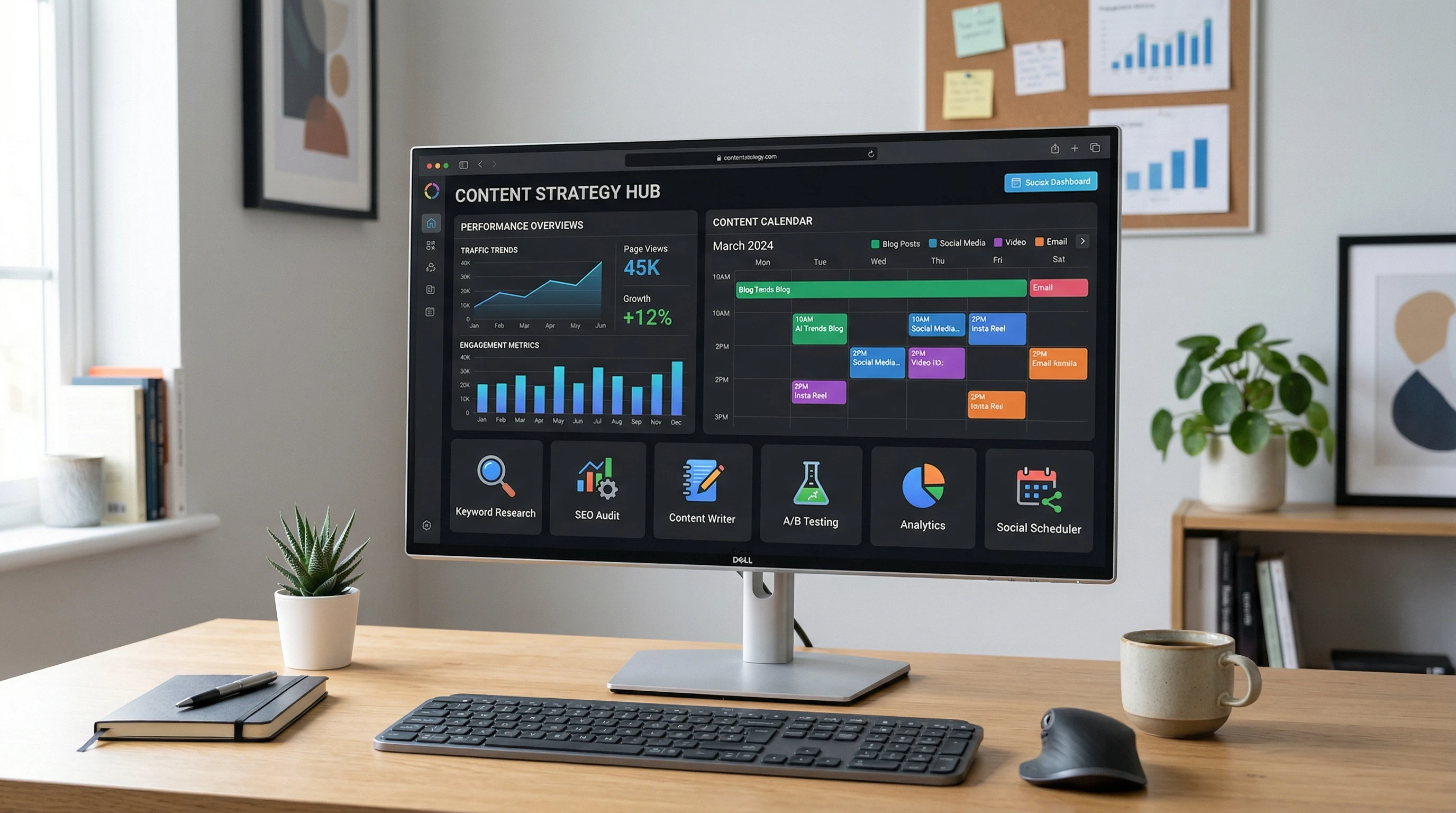
Growing your influence online and reaching the right people with your message is all about having a content strategy that actually works. With algorithm changes, new platforms popping up, and audience expectations switching up, figuring out how to make content hit the goalposts can feel overwhelming.
If you’ve felt stuck making content that doesn’t get seen, unsure where to start your content planning, or just want to understand how the pros manage blogs, video, and social posts like clockwork, content strategy courses are one of the best ways to take your content up a notch. Well-designed courses can help anyone—from beginners to those with years of marketing under their belt—break through noise and establish a system that grows audiences or businesses for real.
I’ve spent time researching, testing, and gathering feedback about all sorts of courses out there. Here’s a roundup of the top content strategy courses for 2026 that can help you develop, structure, and manage a modern content plan, whether you’re rolling solo or building a team.
1. Content Marketing Institute (CMI) Masterclass: Foundation & Advanced Tracks
CMI’s content strategy masterclass consistently comes up in discussions with marketers and business owners. The best part? It covers everything from the basics (like setting up your first strategy doc) to more complex topics (audience journey maps and multichannel planning).
Who This Course Is For:
- Marketers looking for formal certification
- Freelancers and consultants aiming for clientbased work
- Business owners who want to manage teams
The content is split into easy to follow segments and includes assignments, checklists, and templates. The instructors are hands on and bring decades of firsthand experience to each lesson, sharing tips you can actually use right away.
Topics Covered:
- Building a strategy from scratch
- Tools for content audits
- Keyword and audience research for blogs, social, and newsletters
- Content distribution tactics that work in 2026
- Realworld framework examples
CMI includes both video and text lessons, which is super useful if you like to switch back and forth, along with a robust online community.
2. HubSpot Academy: Content Strategy Course (2026 Update)
HubSpot’s free content strategy course stands out because it covers modern SEO principles, the role of AI in content planning, and channelspecific approaches. It’s friendly for beginners but also goes deep on strategylevel thinking, which helps if you feel ready to move past just making blog posts.
Highlights That Make It Worth Checking Out:
- Step by step frameworks for planning, creating, and distributing content
- Real content calendars and templates you can download
- Advice on optimizing older content for new algorithms
- Mini capstone projects at the end of each module
The lessons are concise and engaging, with short quizzes that reinforce key ideas. HubSpot’s instructor team features people who’ve actually run anysize content programs—from startups to global brands—so you’ll get practical guidance you can use immediately.
3. Coursera – Content Strategy for Professionals (Northwestern University)
Coursera’s Northwestern University course is one of the most detailed and academically rigorous. This is perfect if you want to dig into strategy thoroughly. The course runs over several weeks and brings together strategy theory, hands on projects, and breakdowns of case studies from top organizations.
You’ll Learn:
- The core elements of effective content strategy planning
- Storytelling principles for digital media
- Brand voice development and crossplatform consistency
- Research and analytics methods for strategy adjustments
You don’t need a marketing degree to join, but you should set aside a few hours weekly to make the most of peer discussions and assignments. The peer reviewed projects at the end help you put what you’ve learned into realworld situations.
4. Copyblogger Academy: The Modern Content Strategist Track
Copyblogger’s reputation for practical, no nonsense training stands strong here. The Modern Content Strategist Track is perfect for solo creators, inhouse writers, and business owners who need actionable frameworks instead of theory overload.
Why This Course Is Practical:
- Short lessons you don’t have to consume in one sitting
- Checklists for planning, writing, and measuring success
- Plenty of howto breakdowns for newsletters, blogs, pillar pages, and even TikTok shorts
- Feedback opportunities from course leaders and a private forum
Time saving resources like doneforyou content map templates save hours off your planning schedule. The weekly Q&As let you troubleshoot in real time with the community and instructors.
5. LinkedIn Learning: Becoming a Content Strategist in 2026
LinkedIn Learning courses are super accessible if you like shorter lessons with a direct, business focused style. The Becoming a Content Strategist course for 2026 has been updated to include AIdriven research, crossfunctional teamwork, and even workplace wellness for strategists.
Key Benefits:
- Quick modules so you can learn on your lunch break
- Downloadable worksheets and campaign planners
- Interview clips with professionals working in content strategy right now
- Integration with LinkedIn for easy resume additions
This course is great for jobseekers, people moving over from adjacent roles (like copywriting or PR), and small businesses who want a total view of what works.
6. Udemy: Content Strategy & Marketing Blueprint (2026 Edition)
Udemy’s blueprint course packs realworld tips, templates, and case studies into quickmoving lessons. The instructor is actively working as a strategist. You also get access to bonus lectures every time the algorithm or content trends switch up, which keeps things fresh and practical all year.
You’ll Get:
- Foundational planning steps (goals, audience building, and brand messaging)
- Visual content strategy for social, blogs, and even podcasts
- Walkthroughs of analytics dashboards
- A section for freelance strategists, covering contracts and pitching
Perfect for both DIY marketers and growing teams, you’ll have lifetime access so you can revisit materials during campaign crunch times.
7. Demand Curve: Strategic Content Growth for Startups
Demand Curve’s program focuses specifically on startup growth and acquisition via content, so if you’re looking to move the needle for a SaaS, app, or product business, this is a course that delivers. The instructors have hands on startup backgrounds, and you won’t get weighed down in corporate marketing theory.
Main Features:
- Discovery sprints to map audience problems into content opportunities
- Funnels for B2B and B2C products
- Weekly strategy clinics with expert mentors
- Real business case breakdowns
The ondemand clinic system helps you fix bottlenecks in your content plan, and the private founder forums are loaded with actionable templates.
8. Academic Option: University of California, Berkeley – Professional Certificate in Content Strategy
Berkeley’s professional certificate is a wellstructured mix of asynchronous video, written assignments, and group projects. While it does cost more than some shorter format options, you get a deeper academic perspective and access to industry guest lectures.
This Program Features:
- Strategic campaign planning
- Content architecture for web and mobile
- Usability and accessibility standards
- Weekly instructor feedback on assignments
Expect a universitycaliber experience with the flexibility to fit busy schedules. On completion, you’ll receive a recognizable credential and real connections to course alumni and guest experts.
Key Skills You Should Expect to Learn
Any high quality content strategy course in 2026 should give you these practical skills:
- Audience research and persona creation, including hands on interviews and digital analytics tools
- Multiplatform content mapping: planning blogs, videos, podcasts, and newsletters seamlessly
- SEO and keyword research (for both site and social channels)
- Workflow development with project management platforms (think Trello, Asana, or Notion)
- Content audit and refresh techniques to keep content performing at its best
- Measurement, goal tracking, and reporting with dashboards or analytics tools
- Personal and brand storytelling that connects with your chosen audience
While different courses put their own spin on the details, these skills show up again and again in both online and inperson offerings. Being able to connect creative ideas with actual business outcomes is one of the most requested traits among digital teams, so picking a course that offers assignments, templates, or case studies really helps here.
How to Pick the Right Content Strategy Course For You
Narrowing down the best fit can feel tricky, but you’ll want to think about a few key things:
- Learning style: If you prefer video, look for courses with short, focused lessons you can watch on the go. For hands on learners, prioritize assignments and live projects. If you’re a reader or want to go at your own pace, selfstudy modules with downloadable resources are great.
- Time commitment: Weekly live sessions, peer projects, or capstone assignments mean you’ll need to block out time. Others are selfpaced, making them easier to slip into busy weeks.
- Budget: Free courses (like HubSpot Academy) are perfect for dipping your toes in, but paid options usually offer deeper instructor feedback and more robust resources.
- Career goals: If you want a job in content strategy, choose a course that awards a recognized certificate or includes portfolio projects you can show employers. For business owners, look for real campaign examples and community access for ongoing support.
- Instructor access: Direct Q&A opportunities, live office hours, or private forums are a real boost, letting you get answers fast and network with other learners.
Checking course reviews and reaching out to instructors or alumni can also help you decide if a program really delivers what you need. Try to check in with a few current or former students if you can.
Extra Resources That Pair Well With Courses
Signing up for a course is a strong move, but adding in a few extra tools or communities can give your learning a major boost:
- CMI Blog covers everything from trends to tactical howtos and is updated regularly.
- Copyblogger is great for writingcentric strategy advice and timesaving templates.
- Moz Blog is my favorite for keeping up with SEO changes and content optimization tips.
- Reddit’s Content Marketing community features real questions and peer support, with indepth discussions on tools, strategy, and results.
- Canva offers free and paid templates for content visuals and social campaigns, which helps bring ideas to life visually, without a design background.
Staying connected to a few of these resources means you’ll have a place to ask for feedback, spot trends early, or troubleshoot roadblocks as you go through your course material.
Choosing a Course That Keeps Up With 2026 Trends
This year, AIassisted research and creation, personalized content adventures, and voicesearch optimization are bigger than ever. If you want to futureproof your skills, look for:
- Sections on integrating AI content tools that keep your voice authentic
- Case studies on winning with microcontent (like shorts, reels, and stories)
- Lessons about accessibility and inclusivity in digital content planning
- Guidance on adapting strategy to new platforms as they arise
Courses that update regularly or have bonus sessions addressing new trends will help you stay current beyond your first few months of learning.
Wrapping Up
Building a content strategy that actually works is a lot easier when you mix proven frameworks, real projects, and timely industry insights. The content strategy courses in this roundup cover all these bases, so you can start making content that grows your reach, builds trust, and gets results. Whether you’re jumping in as a beginner or sharpening your advanced skills, learning from others who’ve been there can make a huge impact—it sets you up for success long past 2026.
Have questions or your own recommendation for a content strategy course? I’m always up for sharing notes. Drop a comment or let me know what you’re looking for in your next course!