How To Maximize Learning Outcomes On Online Platforms

Getting the most out of online learning platforms takes a bit of know-how and intentional planning. There are so many courses, video tutorials, and interactive learning tools available, but without a clear strategy, it’s easy to get overwhelmed or lose momentum. I’ve spent quite a bit of time finding my way through different online courses, from structured university programs to niche tech tutorials, and I’ve picked up practical ways to help you maximize your learning outcomes along the way.
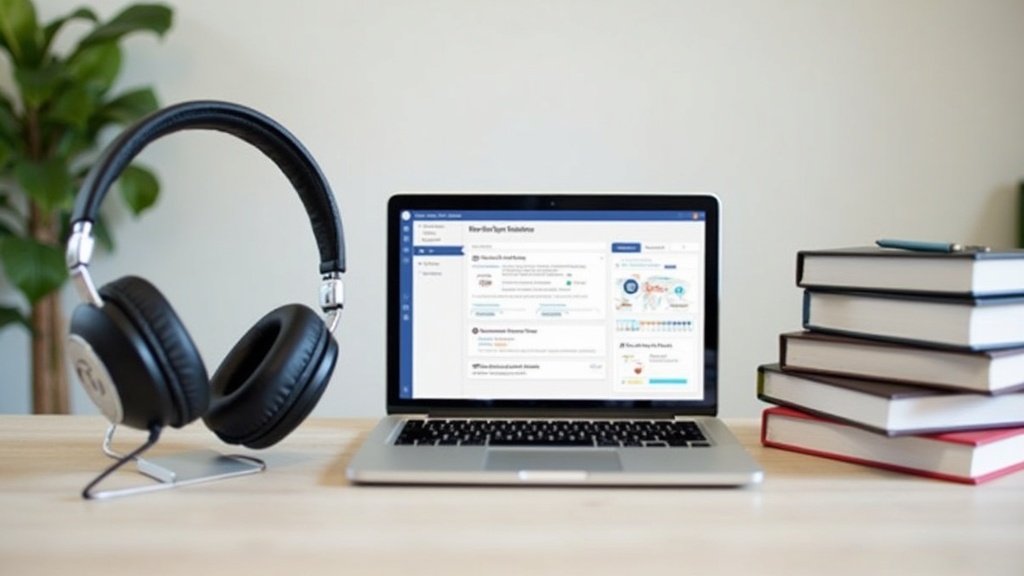
A laptop, headphones, textbooks, and a notebook arranged on a desk with a visible online course dashboard.

Why Focus on Maximizing Online Learning Outcomes?

Online learning platforms have changed how education works for everyone. Students, hobbyists, and working professionals all benefit from these new possibilities. These platforms make learning more flexible and accessible than ever before. Reports say that by 2025, the global online learning market could reach over $350 billion; that means there’s a huge community of learners getting value from these digital spaces.

The sheer amount of content offered online makes picking the right approach important. Whether you’re looking to pick up a new skill for work, pass an exam, or just learn out of curiosity, using a focused strategy can turn casual browsing into active skill-building. Finding the right blend of platform features and personal habits helps you get more from every lesson.

Online learning first revolved around recorded lectures and static materials, but now includes peer collaboration, instant feedback, selfpaced modules, and even immersive tech like VR. With so many options, knowing how to organize your study can be the key to not just staying motivated but actually seeing your progress and achieving your goals.

Starting Off Strong with Online Learning Platforms

Kicking things off on the right online learning platform is a super important first step. Some platforms like Coursera and edX offer universitylevel courses, while places like Udemy, Skillshare, or Khan Academy focus on practical or creative skills. Picking a platform that fits your goals and matches your learning style is worth the effort and makes the whole process go much more smoothly later on.

Here are a few key things to keep in mind as you get started:

  • Platform Features: Check if the platform provides interactive exercises, quizzes, community spaces, and downloadable resources.
  • Course Structure: Look for structured learning paths with clear objectives and check-in points so you can track your progress.
  • Peer Interaction: Peer review, group projects, and discussion boards can help you stay engaged and deepen your understanding.

Getting familiar with basic features like these gives you a good understanding of how you’ll spend your time and how to use the resources easily and effectively.

Actionable Steps to Make Online Learning Stick

Jumping into online learning can be exciting, but without a plan, it’s easy to lose your way. Here are some steps that I’ve found really helpful in getting more from each course or lesson:

  1. Set Clear Goals: Identify what you want to achieve and why. Are you earning a certificate, preparing for a job, or pursuing a hobby? This gives your learning a clear direction.
  2. Create a Dedicated Study Routine: Set aside specific times in your calendar for learning, just as you would for an in-person class or meeting.
  3. Limit Distractions: Use tools like browser blockers and turn off phone notifications during study sessions to stay focused.
  4. Get Involved Actively: Take notes, ask questions in forums, and participate in quizzes to cement your learning.
  5. Reflect and Review: After each module, summarize what you’ve learned and check progress towards your goals. Regular review keeps new knowledge fresh and helps it stick.

Mixing these habits isn’t just about finishing courses. It’s about really absorbing the material and finding ways to put it to work in realworld situations.

Common Roadblocks (and Real-World Tips to Overcome Them)

Online learning offers a lot of flexibility, but with that comes a new set of challenges. Here are a few hurdles that come up often and practical advice for each:

  • Staying Motivated: Break learning into smaller tasks and celebrate small wins. Joining online study groups or “accountability pods” makes it easier to keep going.
  • Time Management: Use online calendars or apps like Trello to plan your study sessions and set reminders. Having deadlines, either platformgenerated or selfmade, keeps you on track.
  • Information Overload: Avoid signing up for too many courses at once! Focus on one or two topics to prevent burnout and ensure depth over quantity.
  • Lack of Feedback: Seek out courses with interactive elements like quizzes and assignments or join discussion boards where you can get feedback from peers and instructors.

Staying Motivated

Online learning can feel isolating, especially without a traditional classroom structure. What’s worked for me is setting microgoals like, “Watch one video and complete the quiz before dinner,” rather than trying to do everything at once. Checking in with peers, even just for a quick chat, brings in accountability and a sense of community.

Time Management

One of the biggest perks, flexibility, can turn into a problem if you’re not organized. Scheduling short, focused study blocks is far more sustainable than marathon sessions. Digital tools and daily checklists keep your progress visible and prevent tasks from piling up.

Information Overload

With thousands of options, it’s easy to enroll in every interesting course. From my experience, focusing deeply on one core subject gives you a better grasp, and regularly going back to your notes turns scattered information into lasting knowledge.

Lack of Feedback

Instant feedback is a major benefit of online learning, but not all courses provide it. Choosing courses with plenty of chances to practice (think selfgraded quizzes and live assignments) helps you spot mistakes early and improve as you go.

Keep in mind: sticking with a plan and troubleshooting along the way turns obstacles into steps on your learning adventure.

Leveling Up: Advanced Approaches for Better Results

Once you’re comfortable using online platforms, a few advanced tactics can really take your results up a notch. Here’s how I took my own learning further and made lasting progress:

Mix Learning Modalities: Try checking out your course content in different formats: read articles, watch videos, do hands-on exercises, and join live webinars if you can. Switching things up keeps it interesting and helps info stick for the long-term.

Practice Retrieval: Instead of just rereading notes, quiz yourself, teach concepts to others, or try applying knowledge through mini-projects.

Connect Ideas: Try mapping out how new material links up with what you already know. Making connections between ideas cements knowledge and helps you remember it down the road.

Use ThirdParty Tools: Pair platforms with notetaking or mindmapping apps like Notion, Evernote, or MindMeister to organize your info and make review easier.

Long story short, layering these strategies enhances your interaction with online course material and often speeds up your learning progress.

What Features Should You Look for in a Learning Platform?

Some learning platforms are packed with helpful tools that can give your outcomes a real boost. Here are some to watch for:

  • Interactive Quizzes and Assignments: Immediate feedback helps you identify gaps and reinforce new information quickly.
  • Community Support: Discussion boards, comment sections, and group activities turn studying into a social experience and help keep motivation up.
  • Mobile Access: Apps or mobilefriendly sites allow you to slip study sessions into even the busiest day, wherever you are.

When I was working through a coding course, I found platforms with built-in coding sandboxes super helpful. These let me practice code right away and experiment without fear of breaking anything.

  • Certification and Recognition: Verified certificates or digital badges help you track your growth and can be valuable for your resume or portfolio.
  • Structured Pathways: Curated course tracks for specific goals or career paths help cut down on decision fatigue and keep you on a clear path.

Checking out these features before signing up will keep your learning experience smooth and make sure you’re set up for success.

Frequently Asked Questions

Got questions? Here are a few I hear a lot when it comes to making online learning actually work:

Question: How do I find the best online platform for my needs?
Answer: Start by getting clear about your main learning goal—whether it’s certification, skillbuilding, or exploration. Compare platforms by checking available courses, interactive tools, peer support features, and reviews from other students.


Question: What can I do if I start a course and lose interest?
Answer: Zero in by setting small, doable milestones, or try switching to a different instructor or course format. Sometimes all it takes is a change in teaching style to get reenergized.


Question: How do I know if I’m really learning and not just coasting along?
Answer: Keep a reflection journal or regular summaries of what you learn, and challenge yourself to use what you’ve learned outside the lesson. If you can explain topics to someone else, you’ve likely got a solid handle on the material.


Getting Results That Stick

Getting the most from online learning platforms depends mostly on your approach and daily habits, way more than the platform itself. If you take the time to set goals, build a routine, and actively use the resources available, you’ll notice a real difference in what you get out of every course and class. When challenges crop up, solve them with practical tweaks and keep following your curiosity. That way every module, quiz, and project pushes you closer to what you want to achieve.

Online learning throws open doors to skills, people, and ideas you may never have stumbled upon otherwise. Build strong learning habits and invest in quality courses, and every hour you spend will pay off in knowledge and confidence down the line.


Future Trends In Online Learning Technology

Online learning is not what it used to be. We’re in a new era where cutting-edge tech is reshaping how we learn and teach. For starters, artificial intelligence is having a huge moment. It’s like having a super-smart assistant that customizes your learning path just for you. Whether you’re blitzing through math problems or struggling with French, AI adjusts the experience to suit how you learn best.

Virtual Reality (VR) and Augmented Reality (AR) are taking immersion to a whole new level. Imagine studying marine biology by diving under a virtual ocean or practicing heart surgery without leaving your room. These tools are game-changers, offering hands-on learning in a safe space.

Talking about games, gamification is not just a buzzword. Adding game mechanics to learning frees it from the shackles of boredom. Earning badges, leveling up, and competing in leaderboards can make even the driest subjects feel like an epic quest.

And then there’s blockchain. Yep, the same tech behind Bitcoin is starting to secure student records. Imagine tamper-proof transcripts and certificates, giving employers peace of mind that your credentials are legit.

Big Data. Sounds intimidating but it’s quietly working wonders. Educators can see what works and what doesn’t through data analytics. It’s like having a superpower to tweak lessons for max impact. It’s helping shape curricula in smarter ways.

Mobile learning is another big trend. Education on-the-go is now possible, which makes commuting a little more productive. With educational apps and responsive websites, you’ve got a school in your pocket.

Inclusivity in education is getting a big boost from assistive technologies. Tools that read text out loud or modify the display for easier reading are making learning accessible to everyone.

Adaptive learning technology takes it a step further. It’s like having a tutor who knows exactly what you need to focus on, altering the course in real-time based on your responses. It’s all about creating a learning journey that’s as unique as you are.

Self Paced Learning Programs

If you want more flexibility in your education, self paced learning programs can make a big difference. These programs let you learn on your timeline, repeat material as much as you need, and fit studying around a busy life or unique schedule. I’ll break down what makes self paced learning work, where to find good programs, and how to get the most out of them, even if you’re new to this type of studying.


How Self Paced Learning Programs Work

Self paced programs are all about adjusting learning to fit your schedule and needs, instead of forcing you to follow a fixed classroom routine. Here’s how it works:

  • Set Your Own Timeline: You decide when to start, pause, or finish each module. This is pretty handy for people balancing work, family, or other commitments.
  • Progress at Your Speed: Move quickly through topics you understand or take extra time on areas you find tricky, all without feeling rushed or held back.
  • Access Materials Anytime: Most self paced programs provide online videos, articles, quizzes, and resources you can check out anytime, day or night.

With this setup, your education can adapt to your life. You can pick up or pause your learning whenever it suits you, making it much more userfriendly than traditional systems that stick to a rigid calendar.


Popular Types of Self Paced Learning Programs

Self paced learning isn’t just for college students. You’ll find programs for all sorts of goals, backgrounds, and interests:

  1. Online Certification Courses: Places like Coursera, Udemy, and LinkedIn Learning have self paced courses covering areas from coding to marketing and personal development. These are awesome for picking up specific skills or boosting your resume.
  2. Academic Degrees: Some universities and community colleges now offer online, self paced degree programs. You can earn a diploma or certificate at your own speed, which is especially useful if you’re juggling a full-time job or family responsibilities.
  3. Professional Skills: Many companies and organizations provide internal self paced modules for onboarding or ongoing training. These modules help employees learn new skills at a speed that feels comfortable, so everyone gets the info they need without the pressure to keep up with a group.

This flexibility means people at any stage of their career or education can jump in and benefit. The range of topics—both academic and practical—is wide and keeps growing as more people see the value of this approach.


Building Your Self Paced Study Routine

Not everyone is naturally good at pacing themselves in their studies, so it helps to have a plan. Here’s what has worked well for me and others:

  • Set Weekly Goals: Break courses into smaller steps. Set practical goals for what you’ll finish each week so you keep moving forward and don’t get stuck.
  • Stick to a Schedule: Even if you’re self paced, blocking out dedicated time on your calendar really helps you stay consistent. Treat your study time like any important commitment.
  • Review and Repeat: One of the most helpful features of these programs is that you can go back and rewatch lessons as much as you need. No pressure to “get it all” the first time.
  • Get Involved with Community: Many platforms have discussion boards or study groups. These provide valuable support for tough problems and make the experience far less isolating.

For more tips on building good study habits for online learning, resources like edX offer useful guides and success stories from different students. Staying motivated and holding yourself accountable is easier when you use these tools and are part of a bigger learning community.


Finding the Best Self Paced Learning Platforms

Choosing a reputable platform can make a big difference in your experience. Here are some top spots worth checking out:

  • Coursera and edX: Great for universitylevel courses. Many classes are free to audit, with paid certificates available if you want proof of completion.
  • Udemy: Huge selection of affordable, self paced classes on everything from photography to computer science.
  • Skillshare: Focuses on creative topics like design, illustration, and writing, all with self paced lessons you can tackle as your schedule allows.

Always check reviews, course previews, and accreditation if that matters to you. Careful research helps you track down something that truly fits your needs and avoids wasting time or money.


Getting More from Your Experience

Self paced learning rewards selfmotivation, but everyone gets stuck sometimes. Don’t hesitate to reach out in course forums or look for outside resources when you hit a rough patch. Setting reminders and celebrating completed modules can also keep you moving forward. I’ve noticed that keeping a running list of small successes gives a nice motivation boost, especially for longer or more challenging programs.

Also, try mixing up your study methods—watch videos, read articles, and do practice quizzes. Switching up your approach keeps learning interesting and helps you remember the material better. And don’t forget to schedule short breaks to avoid burnout, especially if you’re working through a tough section.


Share Your Tips and Questions

Your stories and questions make the learning process better for everyone. If you’ve tried self paced programs before, what has worked for you? If you’re new, what would you like to know? Drop your thoughts below; chances are, others will relate or have advice to share. By helping each other out, we can all make self paced education work just a little bit better.

How To Choose The Right Online Learning Platform For Your Needs

Online Learning PlatformsWelcome to a practical guide for choosing the right online learning platform. I’m sharing clear answers to questions that pop up when picking the best platform for your goals.

Q1: What should I consider first when looking for an online learning platform?

A1: Start by figuring out your own learning goals and the skills you want to pick up. Some platforms focus on professional certifications, while others are more about personal growth or hobby courses. Understanding what you want makes narrowing down your options a whole lot easier. Take a few minutes to make a list of your top priorities, like career advancement or picking up a new skill for fun, and use this as a guide while you compare platforms. Remember, your needs should steer your final choice, not just the most popular platform.


Q2: How do I know if the courses are credible?

A2: It’s really important to check where the courses are coming from. Top platforms usually partner with respected universities, known experts, or trusted organizations. I always look for reviews and accreditation details, which help build trust. You can also spot credibility by checking for industry recognition or certificates that are recognized in your field. Doing a quick online search for feedback and experiences from other learners is also a smart move.


Q3: Are there features I should look for?

A3: Yep, there are cool features that make online learning easier, such as mobile access, subtitles, downloadable resources, discussion boards, or live sessions. Picking a platform with features that match your learning style helps a lot. If you’re a visual learner, look for video-rich content; for interactive learners, platforms with quizzes and community support can give a boost to your progress. Considering how you like to learn can help you get the most out of the experience.


Q4: How do I find the right fit for my budget?

A4: Many platforms offer free courses, trial periods, or bundle deals. Before committing, I like comparing what’s offered for the price and checking out any refund policies. Digging into the fine print can save you money in the long run. Don’t forget to look for seasonal discounts or scholarships that may bring down costs. Weigh the value of features and certifications you’re getting against your budget to make sure you’re making a smart investment.


Taking time to compare options, check credibility, and match features to your needs means you’ll be better set up for a great online learning experience. Doing a little research now will pay off in a smoother, more rewarding adventure as you reach your learning goals online. If you’re still unsure, don’t hesitate to ask for advice from others who have used the platforms you’re considering; firsthand feedback can point you in the right direction.

Building Effective Online Training Programs For Employees

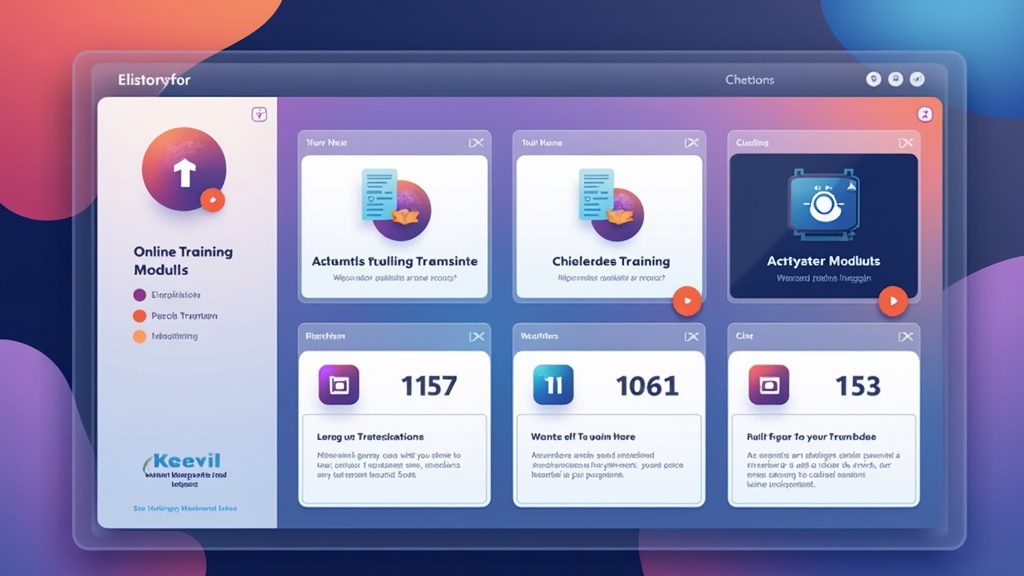
Online training dashboard illustrationWelcome to this practical FAQ about building great online training programs for employees. I’m sharing answers to common questions that come up when setting up digital learning at work.


Q1: What’s the best way to get started with online training?

A1: I like to kick things off by figuring out exactly what employees need to learn. Surveying the team helps spot any skill gaps. From there, I set clear goals for the training to keep things focused and make it easy to measure what employees should get from each session. You can also ask managers for their input, since they often have insight into what areas need the most attention.


Q2: How do I make content engaging?

A2: Mixing things up is super helpful. I add videos, quizzes, and even realworld scenarios; this way, everyone stays interested and actually remembers the key info. Try to use interactive elements, like decision-making activities or short presentations from different employees, so people can get involved and share what they’ve learned. Adding frequent but short activities helps break up the routine.


Q3: Which technology should I use?

A3: There are loads of easy to use learning platforms, like TalentLMS or Moodle. I look for features that work smoothly on phones and laptops, so everyone can join in from wherever they are. It’s also smart to check if the platform lets you track progress easily and make quick updates to your training content when needed.


Q4: How often should employees take online training?

A4: Short and regular training sessions seem to work best for most teams. Even monthly refreshers help keep skills sharp without feeling overwhelming. Some companies may want to step up their sessions during busier seasons or when launching something new, so stay flexible and check in with team members about what works best for them.


Q5: What can I do to see if the training is working?

A5: Tracking progress is really important. I use quizzes, feedback forms, and basic reports from the training software to see how things are going, adjusting the approach if needed. It helps to ask employees what they liked about a session and what could use a boost. Over time, keep an eye on work performance or quality—improvements can show your training is making a difference.

Top 10 E-Learning Platforms In 2024: Features And Pricing

E-learning platforms have completely changed the way I approach learning. Back in the day, I remember having to dig through stacks of books or wait for classes to open up. Now, there are tons of online options that fit just about every need, whether you prefer selfpaced courses, interactive lessons, or specialty tracks for professional skills. Picking the right platform can feel a bit overwhelming, so I’ve put together my thoughts on what makes the top choices in 2024 really stand out, plus some practical info on features and pricing to help you find your match.

A bright, modern workspace with a laptop, tablet, and notepad, displaying various educational icons and digital charts on screens.

Why E-Learning Platforms Are Worth Checking Out in 2024

E-learning in 2024 is bigger and more flexible than ever before. There are platforms designed for everything from basic skills and high school math all the way to advanced professional certifications and indepth coding bootcamps. One of the coolest things about current platforms is their ability to adapt to your schedule, learning speed, and even personal interests.

The technology running these platforms has evolved a lot in just a few years. AIpowered tutors, interactive quizzes, live streaming workshops, and peer forums bring fresh ways to participate and stay motivated. This kind of setup isn’t just for kids or college students; some of the most popular sites cater to adult learners, creative professionals, career switchers, and even lifelong learners just keeping their minds active.

When I started exploring elearning options, I realized it’s not only about convenience. It’s also about getting personalized, practical training that feels much more hands-on than just watching lecture videos. Whether you’re chasing a new career or just looking to expand your skills, there’s a platform out there that can work for you.

Key Things to Watch For When Choosing an E-Learning Platform

With so many choices out there, it helps to know what really matters when picking a platform. Here’s what I always keep in mind:

  • Course Variety: Does the site cover your interests, like tech, art, languages, business, or something else?
  • Interactivity and Practice: Built-in quizzes, projects, or assignments tend to help skills stick.
  • Credentials: Look for certificates or accreditations, especially if you’re hoping to boost your resume.
  • Price Structure: Monthly, annual, or pay per course pricing makes a big difference, depending on your plans.
  • User Experience: Easy navigation and good support can really save headaches down the road.
  • Community and Support: Forums, mentors, and active instructor involvement can make learning feel a lot more social and engaging.

Top 10 E-Learning Platforms in 2024: Features and Pricing

I’ve pulled together 10 of the platforms I think deserve a spot on your shortlist this year. Each one has its own vibe, strengths, and ideal audiences. So, let’s now have a look at the features I think you’ll really like, and what you can expect in terms of pricing.

  1. Coursera
    Key Features: Offers courses from top universities and organizations across the globe. Includes guided projects, full degrees, and specializations with flexible learning paths.
    Pricing: Many free courses available. Individual courses start from around $39-$79. Full specializations and degrees can run from $39/month and up. Coursera Plus subscription is $59/month (or $399/year).
  2. Udemy
    Key Features: Massive library (over 180,000 courses) taught by industry experts. Lifetime access to purchased courses. Lots of practical, projectbased content.
    Pricing: Individual courses range from about $15 to $199 depending on subject, often discounted. No monthly subscription for the core library.
  3. edX
    Key Features: University backed and nonprofit, with courses from Harvard, MIT, and more. Supports verified certificates and microdegrees.
    Pricing: Many courses free to audit. Verified certificates range from $50 to $300 per course. Professional certificates and MicroMasters programs are higher.
  4. LinkedIn Learning
    Key Features: Business, creative, and technical skills taught in bitesized videos. Syncs with your LinkedIn profile to boost your public credentials.
    Pricing: $39.99/month or $239.88/year, after a one-month free trial.
  5. Skillshare
    Key Features: Perfect for creatives, with a lot about design, video editing, photography, illustration, and productivity. Focuses on projectbased learning.
    Pricing: $32/month or $168/year billed annually. No free tier, but there’s a 30-day free trial.
  6. Pluralsight
    Key Features: Tech-heavy platform with a focus on programming, IT, cybersecurity, cloud computing, and related topics. Skills assessments and learning paths included.
    Pricing: $29/month or $299/year for individual plans. Premium tiers add certification practice exams and live mentoring.
  7. Khan Academy
    Key Features: 100% free, great for K-12, plus some college prep and adult learning. Strong focus on math, science, and foundational subjects.
    Pricing: Completely free. Supported by donations.
  8. FutureLearn
    Key Features: Offers short courses, microcredentials, and online degrees from wellknown UK and global universities. Courses often follow a set session schedule with interactive forums.
    Pricing: Free to audit, with upgrade options for certificates ($30-$300). Unlimited access: $39.99/month or $279.99/year.
  9. MasterClass
    Key Features: Celebrity taught video courses on cooking, writing, acting, sports, music, and business. High production value makes it really engaging.
    Pricing: All access subscription, $120/year (billed annually), for unlimited courses.
  10. Udacity
    Key Features: Career focused nanodegree programs in fields like data science, programming, AI, and business. Hands-on projects and mentor support included.
    Pricing: Nanodegree programs start from $399/month. Sometimes bundled discounts available for multimonth plans.

Extra Tips for Getting the Most Out of Your E-Learning Platform

Jumping into online learning is exciting, but a few handy tips can help you actually finish what you start:

  • Set Reminders: Blocking off regular chunks of time each week keeps progress steady.
  • Interact with the Community: Forums, peer reviews, and project sharing make the experience way less lonely, and you pick up new perspectives.
  • Try the Mobile App: If your platform offers one, staying on track and squeezing in extra study time is a lot easier on the go.
  • Don’t Skip Assignments: Working through exercises and projects locks in what you learn way better than just watching videos.
  • Test Out Free Content First: Most platforms offer at least a few free courses or a trial period, so it’s worth checking if you like the teaching style before paying up.

Common Pitfalls and How to Avoid Them

  • Overcommitting: It’s tempting to sign up for a bunch of courses at once, but focusing on one or two at a time usually leads to better results.
  • Ignoring Support: If you’re stuck, use the help forums or reach out to customer support, especially with technical issues.
  • Not Reviewing Certificates: Some certificates aren’t recognized everywhere, so check what’s valued in your industry before getting into it.

Comparing Value: Free vs. Paid Options

Free platforms like Khan Academy offer a lot if you’re looking to pick up foundational knowledge or school subjects. Paid sites add perks like structured learning paths, certificates, and indepth mentorship for more advanced or job oriented skills. I usually recommend starting free, then moving to a paid option as your goals get more specific.

Frequently Asked Questions

Which elearning platform is best for coding and technology?
Platforms like Udacity and Pluralsight are solid choices for tech and programming, especially for people looking for handson projects and mentoring.


Are certificates from Coursera or edX recognized by employers?
Certificates from wellknown sites like Coursera, edX, and LinkedIn Learning are recognized by many employers, especially if the course comes from a respected university or company. For job seekers, sharing these credentials on LinkedIn can make a difference.


How much do most platforms cost?
It really depends; Udemy is pay per course (can be under $20 on sale), Skillshare and LinkedIn Learning are monthly, and platforms like MasterClass are only annual subs. Always check for trial options or scholarship programs if cost is a concern.


Can I learn everything I need for a new career online?
Elearning can cover much of the foundational and advanced content for tons of careers, especially in digital fields. Some jobs may still ask for official degrees or hands-on experience, so check role requirements before committing to just online study.


Final Thoughts: Which Platform Should You Start With?

Every elearning platform has a different flavor, so it’s really about what fits your goals, learning style, and budget. Trying out a few free courses is a smart move before going deep with paid subscriptions. The good news is there’s never been a more flexible, affordable time to learn new skills or explore new interests, all from the comfort of your desk or couch!

If you’re looking to build a new skillset this year, any of these top 10 platforms offer some great starting points. Check out what’s out there, sign up for a few trial courses, and enjoy stumbling upon your best way to grow in 2024!