
Effective ELearning Content Development

Illustration of a laptop with digital learning icons and course modules

Creating online learning materials that are clear, helpful, and engaging can be tricky. Many people who move from teaching in the classroom to developing eLearning content for the first time discover there are new challenges to think about. Without visual cues and in-person interaction, I have to present ideas in a way that actually sticks. Otherwise, learners lose interest fast.

If you have ever struggled to keep learners motivated or watched course participation drop as each module passes, I understand how discouraging that feels. Small adjustments in how you plan, design, and deliver content make a real difference. My experience shows that purposeful eLearning content development is the key to driving better results and higher completion rates in both academic and workplace training settings.

This article breaks down the most important areas of effective eLearning content development. I focus on approaches and techniques that have helped me make online courses stronger and more rewarding for everyone involved. Plus, I’ll share a few extra insights for those looking to boost their courses’ impact.


Start with Clear Learning Objectives

Without clear objectives, it’s hard for learners to know what’s expected or for me to measure whether the training is working. Every successful piece of eLearning content starts with specific and measurable learning goals. I ask myself, “What should someone be able to do by the end of this course?” My objectives serve as the foundation for everything I create next.

  • Be specific. For example, “Identify the steps of the project management process” is more direct than “Understand project management.” Specific goals give learners something tangible to aim for, making the learning path clearer.
  • Align content. Every module, quiz, and activity should support at least one of those objectives, and nothing extra should distract from them. Focused content helps learners see how each part contributes to their learning.
  • Share objectives up front. I always introduce these goals to learners at the start to set expectations and provide clarity. This way, learners know what they are working toward from the outset.

Understand Your Audience

I’ve noticed that the tone, examples, and visuals that engage high school students don’t connect with busy professionals. Before writing a single word, I take the time to learn about my audience’s priorities, experience levels, and learning preferences. This helps me pick the right language, include relevant scenarios, and avoid overwhelming anyone with unnecessary technical terms.

How I Get to Know My Audience:

  • Survey potential learners or ask for input from managers or teachers.
  • Collect data from past courses to identify what worked and what didn’t.
  • Build learner personas to guide my content development process.

A little research goes a long way in helping me create training that actually lands with the people who need it. Making content relatable is critical for keeping learners engaged and active.


Design for Accessibility and Engagement

Making content look nice isn’t just about being attractive, it’s also about helping every learner succeed. I use simple fonts, clear colors, and alt text on images, which boosts accessibility and means nobody misses out due to poor design.

  • Chunk information. Breaking content into smaller pieces prevents overload and helps learners process each idea before moving on.
  • Use visuals to explain. Simple diagrams, infographics, or icons can get the point across much faster than long paragraphs.
  • Consider all learning needs. I test my content for screen reader compatibility and avoid color schemes that exclude colorblind users.

The more ways I present ideas, using video, audio, text, and activities, the more likely it is that learners can make sense of the topic in their own way. Accessible design is not just a nice-to-have; it’s a necessity for inclusive learning.


Apply Interactive Elements Thoughtfully

Active learning helps people stay focused. I don’t just lecture; instead, I add realistic case studies, short quizzes, and scenarios that ask learners to apply what they’ve just learned. Interactive design offers another benefit: instant feedback helps learners see their progress and address gaps right away. These learning moments keep engagement high and offer practical reinforcement.

Practical Tips:

  • Start small if new to interactivity. Simple drag and drop activities or quizzes work just fine.
  • Keep directions clear. Learners get frustrated if instructions or buttons aren’t obvious.
  • Link activities to real world tasks. I use workplace scenarios, troubleshooting guides, or branching simulations that encourage decision making.

Structure Content with a Logical Flow

Confusion is a big barrier to online learning. I find it helpful to map out an eLearning course from start to finish before developing any assets. Each section should logically build on the last, repeating and reinforcing complicated ideas before moving on to new material.

  • Intro, Body, and Recap. I always open with an overview, cover content in small segments, and finish each module with a quick recap to review the main points.
  • Use headers and bullet points. These make scanning and reviewing information much easier, which helps all learners but especially those who skim.
  • Offer a flexible path if possible. I sometimes design content that allows learners to choose their own sequence, which can motivate self directed learners and increase satisfaction.

Logical flow creates a smooth adventure through the content. Learners know where they are and what comes next, minimizing confusion.


Test and Revise Your Content

No eLearning module is perfect on the first try. Once I launch a course, I follow up on learner feedback and review assessment results to spot what needs fixing. Content that feels clear to me as the creator sometimes confuses users, so I take learner comments seriously and test the course in real time.

Things I Always Check:

  • Quizzes and interactive content work on various devices and browsers.
  • Links and media aren’t broken or outdated.
  • Course pacing matches the audience’s schedule.

I see eLearning content as a living project. Even weeks after launch, I make updates to improve clarity, fix bugs, and keep examples relevant as the topic changes. Regular improvements mean the course stays useful and up to date, reflecting the needs of learners over time.


Incorporate Assessment for Better Learning

Assessment is more than grading. I use it to check understanding, guide what topics need more focus, and offer learners quick wins to motivate them. Low stress knowledge checks, practical tasks, and reflective assignments all contribute to a richer learning experience. Assessments also help you, as an instructor, see where your learners excel and where they might need extra support. This two-way feedback is invaluable for both teaching and learning progress.

  • Mix up testing styles. Quick multiple choice questions, project submissions, and short reflections all have value.
  • Reflect on mistakes. I include feedback that explains why an answer is right or wrong, which boosts learning right away instead of leaving learners confused. Detailed feedback makes assessments meaningful, not just a checkbox.

Support Community and Ongoing Learning

Learning rarely happens in isolation. I add optional discussion boards or peer review assignments where learners can share ideas, ask questions, and support each other. Even for solo courses, short prompts that encourage reflection or application to real work go a long way in deepening understanding.

  • Create a Q&A section or a space for sharing resources. This gives learners a chance to interact, share perspectives, and solve problems together.
  • Encourage peer feedback on projects where possible. Collaborative reflection helps learners see concepts from multiple angles.
  • Provide extra materials and “next steps” for those who want to keep learning after the course is done. Keeping learning going beyond the basic requirements can lead to lasting skills.

I’ve seen firsthand that building a learning community keeps momentum strong and supports better outcomes, both short and long term. Connections made during a course can motivate learners and spark new ideas.


Final Thoughts

Strong eLearning content doesn’t happen by accident. When I step through each of these areas with intention, my courses become clearer, more engaging, and much more useful for learners. I’ve found that good eLearning design is about putting myself in the learner’s shoes and always looking for ways to help them succeed, however they learn best.

Remember, the work doesn’t stop after launch. Listening to your learners, updating examples, and trying new interactive tools all help you level up your content over time. The process is ongoing, but the rewards—more motivated learners, higher completion rates, and real results—make it worthwhile.

What methods do you use to make eLearning content more effective? I’d love to hear ideas or struggles you’ve faced in your own projects. Let’s keep the conversation going and help each other create better learning experiences for everyone.


Career Advancement Through Niche Training

Finding my lane in the workplace has often come down to building knowledge that not everyone else has. Career advancement through niche training is a path I know from personal experience can turn a regular job into a meaningful professional adventure. While general skills are valued, getting specialized training can really give your career the push it needs, making you more valuable in your industry and opening doors you might not have even considered.

Illustration of an open book, specialized tools, and growth arrows on a desk

Why Niche Training Matters for Career Growth

Niche training goes beyond standard skills by helping you focus on a very specific area in your field. For example, I once completed a short certification in geographic information systems (GIS) that completely changed how I was seen on my team. While others had a general background in data analysis, I became the go-to person whenever GIS topics came up, and that led to project leadership opportunities I wouldn’t have had otherwise.

Industry trends show that employers are starting to care a lot about narrow skill sets. According to reports from LinkedIn and Forbes, job postings for roles requiring specialized skills are growing faster than those for broader positions. If you’re looking for a clear way to stand out, adding a niche skill to your resume helps hiring managers notice you faster.

In sectors like tech, healthcare, finance, or creative industries, new tools and regulations constantly pop up. Keeping up with new certifications, microcourses, or advanced workshops can make your expertise more relevant. When employers look for someone to fill a gap or run a new project, they often want someone who’s already trained in those specific skills.

How to Identify the Right Niche Training for You

Recognizing the best niche to invest in comes down to understanding both your own interests and what your industry needs. I always start by asking myself which problems come up repeatedly at work or what areas seem underserved by my colleagues. Paying attention at conferences, networking events, or reading industry publications also gives me clues about emerging areas that could become important soon.

Some questions I use to decide which training to pursue include:

  • What skills do I enjoy using most at work? It helps to pick a niche I find interesting since I’ll spend extra time learning it.
  • Are there recurring challenges at my job that no one addresses well? Filling an obvious need lets me prove my value right away.
  • What skills do higher-level professionals in my field have? Studying their backgrounds often points out areas worth specializing in.
  • What are employers mentioning in their job postings? Trends in job descriptions hint at where the market is heading.

Quick Guide: Taking Action with Niche Training for Your Career

Getting value out of niche training is about more than just signing up for a course. Here are the practical steps I follow whenever I want to add a specialized skill to my toolbox:

  1. Find a Program That Fits: I search for online courses, local workshops, or certification programs that don’t disrupt my work schedule. Reading course reviews and testimonials helps me spot quality content.
  2. Set a Simple Learning Timeline: I set a goal for when I’ll finish the training, whether it’s by the end of the quarter or before a big project at work begins.
  3. Apply What I Learn Right Away: Using new knowledge in a real project, even if it’s a small volunteer opportunity, makes it stick better.
  4. Share Updates at Work: I let my manager and team know about my progress and look for chances to help solve problems with my new skills.
  5. Ask for Feedback: After using what I learned, I get feedback from colleagues to see what’s working and what could be improved.

This approach has helped me build confidence while showing my employer that I’m committed to growing in ways that matter to the team.

Key Considerations Before Picking a Niche Training Path

Niche training isn’t always a straightforward choice, and there are a few things I check before putting in my time and money:

  • Industry Demand: Some skills can seem interesting but may not have much real-world demand. I check job sites and talk with people in my network to confirm if the skill is truly valued.
  • Cost and Return: Training programs vary in price. I weigh the potential career impact against the fees. Free or low-cost certifications from known organizations are sometimes just as helpful as expensive ones.
  • Accreditation: Not every course is respected equally. I stick with programs that are well known or linked to respected industry bodies.
  • Personal Interest: Since niche training can take some effort, I focus on areas I’m genuinely curious about. Enjoying the topic keeps motivation high through tougher parts of the learning process.

Checking Industry Demand

It’s tempting to pick a trending skill without knowing if companies near me actually need it. For example, learning a rare software language might be great, but if only a handful of local businesses use it, I’ll have to relocate or work remotely. Researching open roles and talking to mentors gives me peace of mind I’m choosing the right specialty.

Evaluating Program Quality

Not every course delivers what it promises. Reading online reviews, discussing with alumni, or examining completion rates helps me avoid wasting time. These steps give extra reassurance when considering an investment in a new skill.

Personal Compatibility

If I’m not interested enough in a specialization, completion feels forced or unproductive. Picking an area that lines up with my curiosity means I’m more likely to finish the training and put what I learn to good use on the job.

Advanced Tips to Maximize Your Niche Training Investment

Beyond just enrolling, there are ways I make sure my niche skills actually give a boost to my career long term:

Build a Portfolio or Project Example: After finishing the training, I put together a short case study or portfolio project. For example, after my GIS training, I mapped out sales data for my team, showing its value in a business context.

Update Your Professional Profiles: I add the new skill and certification to my LinkedIn profile, resume, and signature blocks at work. This small step often sparks conversation with recruiters or managers looking for that exact skill.

Teach Others: Sharing tips in a lunch and learn session or writing a short guide for my team not only demonstrates leadership but also cements the new knowledge for me. If an internal knowledge base exists, I contribute by adding what I’ve learned.

Seek Out Crossfunctional Projects: Getting involved with other teams and showing how my niche training solves their problems extends my reach and reputation in the company.

What Areas Are Popular for Niche Training?

Different industries have their own trending specialties, and choosing one ties back to sector needs and my interests. Some practical examples:

  • Tech: Cloud computing, cybersecurity, and data visualization are big right now. For example, a certificate in cloud infrastructure makes a system admin attractive to more employers.
  • Healthcare: Medical coding, specialized billing systems, or rare equipment training can open up advancement in clinics and hospitals.
  • Finance: Regulatory compliance, fraud analytics, or blockchain accounting add unique dimensions to regular finance roles.
  • Marketing: Mastery in marketing automation or SEO for a specific content management system gives me a real edge.

When entering a new specialty, I usually join a professional group or online forum to stay updated and meet others who have similar interests. These groups offer tips about trends, job openings, and further training opportunities. Participating in these communities makes it easy to keep your skills sharp and lets you hear about hidden opportunities that haven’t reached job boards yet.

Frequently Asked Questions About Career Advancement Through Niche Training

Question: How do I know if a niche skill will still be valuable in a few years?
Answer: I check for consistent job postings and talk with professionals in the field. If companies have needed this skill over the past several years, there’s a good chance it’ll stick around for a while.


Question: Can I switch industries with niche training?
Answer: Yes, especially if the niche skill is valued in both your current and target industries. For example, learning project management software is helpful everywhere, while something like medical billing is more specific to healthcare.


Question: How soon should I use my new skill at work?
Answer: The sooner I apply new skills, the more likely I am to remember and master them. Even if it’s not required for a current project, I try out my skills in side tasks or volunteer roles.


Question: Do employers really notice niche certifications?
Answer: Yes, hiring managers often mention that specific certifications or specialized skills can make a candidate stand out early in the screening process. They help you get noticed in a stack of resumes that look very similar otherwise.


The Real-World Impact of Niche Training Investments

Taking the time for niche training has made a clear difference in my career. When I focused on becoming certified in a field-specific tool that my team didn’t know, I started being asked to lead projects and mentor colleagues. Over time, my dedication was recognized during performance reviews, and I was offered a promotion. This shows how building skills in a focused area gives real, lasting benefits, not just a temporary boost.

If you’re aiming for more responsibility, higher pay, or a clear specialty, focusing on niche training is one of the best ways to reach your goals. With the right approach, your specialized knowledge can lead you to opportunities that are both satisfying and rewarding in ways general training often cannot match. Time to roll—figure out what specialty sparks your interest, do your research, and see how far that expertise can carry you. Those niche skills could connect you to roles and collaborations you never even thought possible!

Online Courses to Upskill Healthcare Professionals

The healthcare field is always on the move, and staying ahead isn’t just about keeping pace; it’s about thriving in your career. For healthcare professionals, continuous education is like a lifeline, ensuring you’re not left behind as new challenges and technologies emerge.

Day-to-day demands in healthcare have grown more complex, with rapid advancements and an ever-expanding body of medical knowledge. As professionals, taking the time to upskill can mean the difference between just doing the job and excelling at it. It opens the door to providing top-notch care, adopting cutting-edge techniques, and ultimately, advancing your career.

Embracing ongoing training provides immense benefits, not just for career advancement but also for personal growth. It’s about more than just adding impressive qualifications to your CV; it’s about becoming more adept at responding to your patients’ needs, navigating new tools, and dealing with unexpected situations with confidence.

The Importance of Upskilling in Modern Healthcare

In today’s fast-paced world, healthcare doesn’t stand still, and neither should you. Upskilling is crucial in this ever-evolving field, where technology is reshaping the landscape in ways we couldn’t have imagined a decade ago.

Tech advancements have hugely impacted how we deliver and manage healthcare. From AI diagnostics to automated systems, keeping up with tech isn’t optional. It’s vital for providing the kind of patient care that meets current standards and exceeds expectations.

Beyond technology, upskilling enhances patient care. As medical practices develop, so too do patient needs. Acquiring new skills ensures healthcare providers can deliver the highest level of care, improving patient outcomes and satisfaction.

And then there’s the regulatory side of things. Healthcare regulations are constantly being updated, sometimes seemingly overnight. Remaining informed and educated helps professionals not just to comply but to leverage these regulations to improve practice and ensure patients’ rights and safety.

Ultimately, investing in your skills is about securing a future where you stay at the forefront of your field, adapting effortlessly to change. So, it’s not just about keeping up; it’s about leading the way in this dynamic industry.

Online Skills for Today’s Healthcare Professionals

The digital age is upon us, and healthcare professionals need to gear up with the right skills to thrive. Among the most in-demand skills is telemedicine expertise. With the rise of virtual consultations and remote patient monitoring, mastering telehealth platforms is quickly becoming a career staple.

Data is at the heart of modern healthcare. Managing and interpreting patient data is crucial for better decision-making and care delivery. Understanding the nuances of data analytics can turn raw numbers into actionable insights, helping to predict and manage patient outcomes effectively.

In the fast-paced healthcare environment, soft skills like leadership and strong communication can set you apart. Leading a team effectively and facilitating clear communication with patients and colleagues is vital for seamless operations and high-quality care. These skills enhance collaboration and patient trust, essential components for any healthcare setting.

Embracing Telemedicine and Digital Health Innovations

Telemedicine isn’t just a buzzword—it’s the future of healthcare. The ability to connect with patients remotely has transformed the way health services are delivered, making care more accessible and efficient. For professionals looking to stay ahead, understanding how to use these digital health tools effectively is key.

Take the time to explore the latest digital platforms that are revolutionizing patient care. Whether it’s a video consultation tool or a digital monitoring app, these innovations are crucial in modernizing patient interactions.

One critical area is patient engagement. Digital tools can enhance how patients interact with healthcare providers, making communication more seamless and encouraging active participation in their own care. This empowerment can lead to better patient outcomes and satisfaction.

Knowing how to implement these technologies effectively isn’t just an added benefit—it’s becoming a core component of healthcare services. By embracing these changes, professionals not only improve their practice but also ensure they are at the forefront of healthcare delivery.

Top Online Course Recommendations for Healthcare Workers

With a myriad of online courses available, finding the right one to boost your healthcare career can be daunting. That’s where platforms like Coursera, edX, and FutureLearn come into play, offering a treasure trove of courses tailored to healthcare professionals.

Coursera is packed with courses ranging from bioinformatics to public health strategies. Its partnerships with top universities mean you get top-tier quality education right from your living room. Consider diving into specialized topics like genomics or healthcare management.

Over on edX, there’s a focus on critical areas like data science for public health or digital health innovations. These courses are designed to equip you with cutting-edge skills that are immediately applicable in your day-to-day responsibilities.

FutureLearn brings something unique to the table with its wide range of short courses. Perfect for those with packed schedules, these courses cover everything from patient care fundamentals to advanced leadership training. You can easily hop into a course on digital healthcare methodologies that align with your interests and career goals.

Investing your time in these courses is more than just a qualification perk—it’s about staying relevant and being the best at what you do.

Making Online Learning Work for Busy Healthcare Schedules

Let’s face it: healthcare professionals are some of the busiest people around. Finding time for extra training can seem impossible. That’s where the beauty of online learning comes in.

With flexible modules tailored for your hectic schedule, these courses allow you to learn at your own pace. You don’t have to worry about fitting a rigid class schedule around your shifts. Whether it’s grabbing ten minutes on a lunch break or an hour after the kids are in bed, you can fit learning into those little pockets of time.

Mobile learning adds a whole new level of convenience. Watch lectures, participate in discussions, and complete assignments right from your phone or tablet, wherever you are. With technology, learning becomes an integral part of your daily routine, not a separate task you have to manage.

Balancing work responsibilities with further education doesn’t have to be stressful. By choosing the right online courses, you can enhance your skills and advance your career without sacrificing your current commitments. It’s about being smart with your time, using what you have effectively, and taking those steps toward your professional goals—all on your own terms.

How Teachers Can Use Online Courses to Upgrade Their Classroom Skills

Introduction

Teaching has always been about adapting. From chalkboards to smartboards, from textbooks to tablets, educators have consistently embraced new ways to enhance learning. In today’s rapidly evolving world, online courses are one of the most powerful tools available to teachers who want to improve their classroom skills.

Whether it’s mastering new technology, learning innovative teaching methods, or keeping up with the latest subject knowledge, online learning provides teachers with flexible, affordable, and practical opportunities to grow. This article explores how teachers can use online courses to upgrade their classroom skills in 2025 and beyond.


Why Teachers Need Continuous Professional Development

The teaching profession is unique because the audience—students—keeps changing. Every new generation of learners comes with different expectations, learning habits, and technological comfort levels. Continuous professional development (CPD) ensures teachers:

  • Stay current with educational trends and policies.
  • Learn new digital tools for hybrid and remote teaching.
  • Improve student engagement through creative strategies.
  • Develop soft skills like leadership, cultural awareness, and emotional intelligence.

Benefits of Online Courses for Teachers

1. Flexible Learning

Teachers often struggle to balance lesson planning, grading, and personal life. Online courses allow them to learn anytime, anywhere, fitting education into their busy schedules.

2. Cost-Effective Professional Growth

Unlike traditional workshops or advanced degrees, online courses are often affordable—or even free. Platforms like Coursera, edX, and FutureLearn offer certificates that can strengthen resumes.

3. Access to Global Expertise

Teachers can learn directly from professors, thought leaders, and practitioners worldwide. For example, a science teacher in Ghana can take a NASA-backed course on astronomy from home.

4. Immediate Classroom Application

Unlike theory-heavy programs, many online courses are practical and skill-based. Teachers can immediately integrate what they learn into classroom activities.


Essential Skills Teachers Can Upgrade Through Online Courses

1. Digital Literacy & Technology Integration

With EdTech becoming central, teachers must be skilled in:

  • Using platforms like Google Classroom, Microsoft Teams, and Moodle.
  • Applying AI-powered tools for assessments and lesson planning.
  • Creating multimedia content to make lessons engaging.

Course Examples:

  • Google Certified Educator (Google)
  • Integrating Technology in the Classroom (Coursera)

2. Inclusive & Differentiated Teaching

Every classroom has diverse learners—students with different abilities, learning styles, and cultural backgrounds. Online courses can help teachers:

  • Design inclusive lesson plans.
  • Apply differentiated teaching strategies.
  • Understand special education needs.

Course Examples:

  • Inclusive Teaching and Learning (FutureLearn)
  • Special Needs in Education (edX)

3. Classroom Management & Student Engagement

Effective classroom management ensures that teachers maintain control without stifling creativity. Online training helps in:

  • Managing large or hybrid classrooms.
  • Engaging students through gamification and active learning.
  • Applying positive behavior reinforcement.

Course Examples:

  • The Science of Learning – What Every Teacher Should Know (Udemy)
  • Motivating Students to Learn (Coursera)

4. Subject Mastery & Curriculum Development

Teachers need to keep their subject knowledge fresh, especially in fast-evolving areas like STEM. Online courses help them:

  • Stay updated on new theories and discoveries.
  • Explore cross-disciplinary teaching approaches.
  • Develop customized lesson plans aligned with modern curricula.

Course Examples:

  • Teaching Mathematics with Technology (Coursera)
  • Next Generation Science Standards (edX)

5. Soft Skills & Leadership Development

Beyond academics, teachers must inspire, mentor, and sometimes lead teams. Online training in soft skills builds:

  • Emotional intelligence for better student-teacher relationships.
  • Leadership skills for school management roles.
  • Communication strategies for engaging parents and communities.

Course Examples:

  • Emotional Intelligence at Work (edX)
  • Leadership in Education (Coursera)

Step-by-Step Guide: How Teachers Can Start Learning Online

  1. Identify Your Learning Goals
    Do you want to master technology, improve student engagement, or strengthen subject knowledge?
  2. Choose the Right Platform
    • Coursera/edX: University-level courses with certifications.
    • Udemy/Skillshare: Practical, bite-sized skills.
    • LinkedIn Learning: Professional growth and networking.
  3. Start Small
    Begin with short, manageable courses (4–6 weeks) before tackling full certifications.
  4. Apply as You Learn
    Incorporate new skills immediately in lesson plans. For instance, after a tech-integration course, use a new app in your next class.
  5. Build a Learning Routine
    Dedicate 30–60 minutes weekly to learning. Treat it like a staff meeting with yourself.
  6. Share Knowledge
    Teachers who share what they learn with colleagues often retain more and create supportive learning communities.

Challenges Teachers Face (and How to Overcome Them)

1. Time Constraints

Solution: Break courses into micro-learning sessions (15–20 minutes daily).

2. Tech Barriers

Solution: Start with beginner-friendly courses, and seek support from EdTech communities.

3. Lack of Motivation

Solution: Join peer groups or online teacher forums where learners encourage each other.


Case Studies: Teachers Who Transformed Their Classrooms

  • Maria, a High School English Teacher: Took a Creative Writing Pedagogy course and introduced project-based storytelling. Student engagement increased by 40%.
  • James, a Science Teacher: Enrolled in an EdTech Integration course and implemented virtual labs. Students reported higher interest in science.
  • Akosua, a Primary School Teacher in Africa: Completed a Digital Literacy Basics course and now uses Google Classroom to connect with parents and track student progress.

Recommended Online Platforms for Teachers (with Affiliate Potential)

  1. Coursera – Professional certificates in education, leadership, and pedagogy.
  2. edX – University-level courses from Harvard, MIT, etc.
  3. FutureLearn – Specialized teacher development programs.
  4. Udemy – Affordable courses in teaching skills, classroom management, and subject mastery.
  5. LinkedIn Learning – Great for networking and skill endorsements.

Conclusion

Online courses are no longer optional—they’re essential for teachers who want to remain relevant and impactful. By investing in their own learning, teachers not only upgrade their classroom skills but also inspire students to embrace lifelong learning.

In 2025, the best teachers will be those who learn continuously. Whether it’s through Coursera, edX, or Udemy, the path to becoming a more effective, confident, and future-ready educator is just a few clicks away.

👉 Call to Action:
If you’re a teacher ready to transform your classroom, explore online courses today. Start small, apply as you go, and watch your teaching (and your students) thrive.


Why Entrepreneurs Should Invest In Online Training In 2025

Online training has seen a huge surge in popularity over the last few years, and 2025 is shaping up to push things even further. Entrepreneurs who want to stay ahead of the curve are finding that high quality online courses can make a major difference in how they grow and manage their businesses. I’m breaking down all the reasons why investing in online training is a smart move if you want to level up your entrepreneurial skills in 2025.

A digital workspace featuring a laptop displaying e-learning modules, online charts, and digital business tools

Why 2025 Is the Perfect Time for Entrepreneurs to Invest in Online Training

The landscape for startups and small businesses keeps changing fast, especially as digital technology creates new opportunities but also brings unpredictable challenges. More entrepreneurs are turning to online training programs to keep up with the latest trends, tools, and best practices. With so many options available—from marketing strategy courses to finance workshops and tech bootcamps—finding practical learning resources has never been easier.

The global elearning industry is projected to cross $375 billion by 2026 according to Forbes. 2025 looks full of growth as companies adapt to hybrid work and digitalfirst strategies. Even established entrepreneurs are seeing the value in continuous improvement. Keeping your skills fresh and learning new tactics can help you futureproof your business in a crowded market.

What’s cool about online training programs is that they’re not just about formal education. Bitesize tutorials, cohort led bootcamps, and mastermind groups all count. The real focus is on gaining useful, up-to-date knowledge you can apply right away. And if you’re worried about falling behind, know that adopting new skills in 2025 is practically essential, since competition is fiercer than ever. In fact, tapping into these constantly updated lessons is one of the most practical ways to keep your business robust amid shifting trends and unexpected disruptions.

How Online Training Helps Entrepreneurs Grow

One of the biggest perks of online learning is the ability to personalize your experience based on what your business actually needs. Maybe you want to brush up on digital marketing, automate your finances, or get into trends in artificial intelligence. There’s probably an online course (or ten) that covers exactly what you need.

  • Flexible Learning: Most platforms let you learn at your own pace, which is really convenient if you have a busy schedule or run your business solo.
  • Affordable Options: Online courses tend to be much more budgetfriendly than inperson workshops or degree programs. There’s a lot of value, especially with subscription models or lifetime access deals.
  • Access to Top Experts: Many courses are designed and taught by industry leaders. This gives you a chance to learn from people who have actually done what you want to do.
  • Actionable Content: Training modules often include templates, checklists, and case studies—resources you can download or adapt for your business right away.

With all these builtin advantages, online training offers entrepreneurs tailored ways to get smarter, faster, and more efficient. Plus, some courses promote peer review, allowing you to exchange feedback with other business owners for even deeper insights.

Key Benefits of Online Training for Entrepreneurs in 2025

Online learning isn’t just about picking up new skills. It’s about improving how you approach work every day. Here are some of the top benefits for entrepreneurs this year:

  • Staying Ahead of the Competition: With technology changing business tools every few months, it’s really important to keep learning or risk getting left behind.
  • Expanding Your Network: Online mastermind groups and community forums built into training programs help you meet and team up with other entrepreneurs.
  • Boosting Confidence: Knowing you’re using the latest methods keeps you confident, whether you’re pitching investors or managing a remote team.
  • Scalable Solutions: Online training can teach you automation tricks, scalable marketing tactics, and streamlined workflows that help your business grow.
  • Global Perspective: Many platforms bring together students and instructors from all over the world. This exposure to new perspectives can inspire better, more innovative business strategies.

This combination makes online training really useful for anyone who’s serious about building a better, more adaptive business in 2025. For added impact, choose courses that offer downloadable resources you can use over and over.

What to Look for When Choosing Online Training

The number of online courses can feel overwhelming, and as someone who’s taken plenty over the years, I’ve found that not all programs are created equal. Here are a few things to check for before signing up:

  • Relevant, Up-to-date Content: The best programs are always updating their material to match current industry practices and trends.
  • Clear Instructor Credentials: Look for courses taught by experienced founders, business professionals, or top industry voices.
  • Practice Projects and Real Examples: Tools like worksheets, case studies, and short challenges make information easier to apply.
  • Community and Support: Builtin discussion boards or Q&A sessions are super helpful, especially for problem solving or tips from fellow learners.
  • Transparency in Pricing: Avoid hidden fees and check what’s included; some programs bundle extra perks, like templates or oneonone coaching, which can be worth it.

Taking time to research different platforms or individual instructors pays off, especially since your time and money are at stake. If you’re unsure, read user reviews and reach out to alumni for honest feedback. Ask questions about course updates and instructor engagement to make sure your investment is sound.

Common Challenges and How Online Training Helps Overcome Them

Entrepreneurship can sometimes feel like running a marathon without a map. Here are some of the common challenges entrepreneurs face and how online training addresses them:

  • Juggling Multiple Roles: Entrepreneurs often act as CEO, marketing manager, accountant, and more. Online training offers fast, focused lessons that help you fill gaps quickly.
  • Keeping Up with Tech and Trends: From AI to new social media algorithms, things change fast. Short webinars and microcourses get you up to speed without lengthy time commitments.
  • Getting Practical Experience: Simulations, templates, and stepbystep guides bridge the gap between theory and hands on action, so you don’t get stuck after a video ends.
  • Building a Support System: Community learning lets you connect with others working through the same problems, providing encouragement and feedback along the way.
  • Combating Decision Fatigue: Having lessons broken down into modules or clear learning paths simplifies decision making, especially if you’re short on time.

Example: Automating Daily Tasks with a Simple Online Course

I once took a four hour course on automating email workflows. Within a week, I’d set up new systems to send followups and organize leads. The time savings were immediate and let me focus more on client work. That’s a practical impact most entrepreneurs would love. If you’re looking to increase productivity with minimal effort, automation training courses can be a game changer.

Steps to Maximize Your Investment in Online Courses

Getting real value from online training depends on how you approach it. Here’s my personal checklist for making courses pay off:

  1. Set Clear Goals: Decide on specific outcomes, like learning to run ads or understand your startup’s finances.
  2. Pick the Right Format: Video, audio, written modules, or interactive exercises—choose what matches your learning style.
  3. Commit Time Weekly: Block off study slots so training doesn’t fall off your radar. Even 30 minutes here and there adds up.
  4. Apply What You Learn Early: Try out worksheets, launch a test project, or tweak a business process as soon as possible.
  5. Stay Active in Course Communities: Post questions, share insights, and ask for advice. The more you get involved, the more you’ll get out of the experience.

Following these steps can really give a boost to your return on investment, turning new knowledge into realworld results. Additional accountability, like studying with a peer, can also help keep you on track.

Real-World Examples

Online training isn’t only about theory. You’ll find examples everywhere of entrepreneurs who changed the game after a few courses:

  • Digital Marketing: Many founders share stories about taking a quick online ad bootcamp and doubling their website leads without hiring an agency.
  • ECommerce Optimization: I’ve seen entrepreneurs revamp sales funnels or improve product listings after taking a few targeted ecommerce workshops.
  • Technology Mixups: Learning how to use new AI tools often starts with a crash course, letting business owners adapt and compete more effectively.

The success often comes from not just watching a few videos but from actually trying out the strategies and sticking with the learning community. The willingness to experiment is key; many entrepreneurs say their biggest breakthroughs came right after implementing an idea they found in a course community discussion.

Frequently Asked Questions

Here are a few common questions I often get when talking with other business owners about online training:

Question: How do I know which online training is reputable?
Answer: Look for courses with lots of positive, recent reviews and check LinkedIn or Twitter for comments from real users. A bit of research into the instructor’s background helps too.


Question: Can online training really replace traditional business coaching?
Answer: Online courses can be much more flexible and affordable, and cover practical case studies. But sometimes a blend of online learning and live coaching gives the best results.


Question: Are certificates or credentials from online courses taken seriously?
Answer: While bigname certificates can give a boost to credibility, what you actually do with the new skills matters way more. Employers or clients want to see results, not just paperwork.


Wrapping Up: Embracing Online Training in 2025

Entrepreneurs who invest in online training in 2025 are setting themselves up for better results, smarter strategies, and a more resilient business. Whether you want to chase new opportunities, streamline what you already do, or simply feel more in control, there’s never been a better moment to check out the world of online learning. The right course can give you exactly what you need, on your own schedule, and often at a price that just makes sense.

Give yourself the edge by exploring a new training module or two. It’s a simple move that could pay off in big ways over the next year.

Integrating Online Training With Traditional Career Paths

An illustration showing digital learning modules merging with traditional career pathwaysCombining online training with traditional career paths is something I’ve seen change the way people build their skills and move up at work. One of the biggest wins? Flexibility. Mixing these two approaches means you can keep your job, work on your existing strengths, and still pick up new talents at your own pace. But knowing where to start, and how to make it count, can feel a little overwhelming.

Online learning isn’t just about picking up generic tips. There are real ways to tie digital courses to long-term success in classic careers like engineering, nursing, finance, design, and more. Learning how they fit together can open up some solid opportunities for growth. Not only does online education provide easily accessible knowledge, but it also helps you stay updated as industries evolve over time. More and more professionals are using online courses to supplement their degrees, boosting their expertise and positioning themselves competitively.

I’m breaking down how to connect online courses with a traditional career path, making the process less confusing and much more valuable. Whether you want a promotion, are switching fields, or just want to future-proof your job, this guide will help you make the most of both worlds.


Step 1: Figure Out Your Career Goals

Getting the best out of online training starts with a little self-reflection. No two career paths are the same, so your goals for learning online should match what you actually want for your future. Taking time to understand your motivations can help you choose relevant online programs that move you closer to your aspirations.

Questions Worth Considering:

  • Where do I see myself in five years?
  • Are there gaps in my current experience or skills?
  • Which online qualifications do employers in my field recognize?
  • Do I want to switch roles or just move up in my current position?

Popular Goals for Combining Training:

  • Building specialized technical skills (like coding, digital marketing, or data analysis).
  • Meeting up-to-date certification requirements (think project management or HR credentials).
  • Shifting into a new role, either within your company or in a new industry.
  • Staying current with industry changes or new tech that’s popping up.
  • Learning soft skills such as leadership, communication, or problem-solving that are crucial across professions.

Once you’ve got your targets in mind, it’s a lot simpler to spot online training that actually means something for your career. Matching your learning with clear goals helps keep you motivated and ensures you’re working toward outcomes that align with your ambitions.


Step 2: Pick the Right Online Training Platforms

With thousands of digital courses out there, it’s super important to find the ones that carry some real weight. Some popular platforms, like Coursera, edX, LinkedIn Learning, or sector-specific academies, partner with universities and big-name companies, so their certificates look good when you add them to your resume. Plus, these platforms often update content regularly to align with what’s trending in each industry, giving you a solid edge.

Tips For Choosing Quality Online Courses:

  • Check if the course is accredited or backed by a university or employer group.
  • Read reviews from people actually working in your target industry.
  • Look for updated material that matches trends in the job market.
  • Compare the time, cost, and workload with what you can realistically do each week.
  • Assess the depth of practical, hands-on assignments included in the course to add more value to your learning.

I’ve found it’s much more useful to focus on recognized programs that offer practical, hands-on assignments. Employers are looking for demonstrated skills, not just digital badges. Choose programs that finish with a project or a portfolio you can show off—these can really help you stand out when looking for new job opportunities or promotions.


Step 3: Blend Learning With On-the-Job Experience

One of the best perks of online learning is that you can use new knowledge right away at work. This combo helps you stand out, because you’re not just jumping through hoops online; you’re actually adding value to your current job.

Ways to Mix Online Training With Your Day Job:

  • Apply what you learn to real projects or problems at work (even small improvements count).
  • Ask your manager if you can lead a pilot project based on your new skills.
  • Share insights from your courses in team meetings or trainings.
  • Keep a portfolio of work that shows off your newfound abilities; this comes in handy at review time.
  • Find a mentor or colleague who can provide feedback on your progress as you implement new skills in the workplace.

This practical, hands-on application of online learning tends to make it stick. Plus, showing initiative and up-to-date skills can put you first in line for new opportunities or promotions. Employers value workers who actively seek growth and embrace continuous improvement.


Step 4: Build a Learning Schedule That Actually Works

It can be tough to balance coursework with a regular job. Setting up a routine that fits your lifestyle makes it much more likely you’ll actually finish your training. Planning your learning schedule in advance and maintaining consistency can help make learning a natural part of your weekly routine.

What’s Worked for Me:

  • Schedule short study sessions—30 minutes to an hour—three or four times a week.
  • Set clear milestones (like finishing a module each week or taking practice quizzes).
  • Communicate with your employer about your learning schedule, especially if it supports your role.
  • Celebrate small wins to keep your motivation up (like completing a tough assignment or getting a new certificate).
  • Use digital tools like calendars or reminder apps to stay on track with your learning plan.

Routines don’t have to be perfect. Even slow, steady effort adds up, and setting aside specific times lowers the risk of letting learning slip through the cracks. Remember, consistency matters more than speed; every bit of progress moves you closer to your goals.


Step 5: Showcase Your Skills to Move Ahead

Learning is great, but you’ll want to be sure your new skills are visible. Adding online credentials and projects to your resume, LinkedIn, or a personal portfolio helps you back up your experience in traditional roles. Don’t be shy about sharing your new accomplishments; they can speak volumes about your motivation and drive.

Tips for Highlighting Online Training:

  • Add a “Professional Development” or “Certifications” section to your resume.
  • Mention specific courses, certificates, or projects in job interviews, especially if they’re relevant to the new role.
  • Ask for recommendations from course instructors or peers if the platform supports that feature.
  • Show examples of real outcomes; how your training improved something at your job, for example.
  • Post about your learning journey on professional networking sites; this can raise your profile among recruiters and colleagues.

Employers notice applicants who take the lead on learning, especially when they can tie training to real-world results. This habit of ongoing learning can not only help with promotions but also prepare you for new roles as industries transform.


Common Challenges & How to Fix Them

I’m Overwhelmed by Options. How Do I Decide Which Course Is Best?

Start with your career goals and scan job listings for the roles you want. See which qualifications, tools, or certificates come up again and again, and focus on those courses first. If possible, reach out to professionals in your desired field to ask for advice or recommendations.

I’m Struggling to Stay Consistent. Any Advice?

  • Pick courses with built-in deadlines and check-ins if you need more structure.
  • Try a study group or online community for accountability.
  • Set flexible goals; life gets busy, and you can always get back on track next week.
  • Consider pairing your studies with a peer or a friend at work for added motivation and regular check-ins.

Does Online Training Really Matter to Traditional Employers?

Yes, more employers are recognizing the value of online training, especially when it’s from trusted organizations or connected to practical skills. The key is to show how your training improved your work, not just mention the course itself. Show concrete examples of how what you learned had a positive impact or led to a new responsibility.


Making the Most of Your Career With Both Worlds

Combining online education with on-the-job experience means you don’t have to choose between theory and practice. You get to keep building on what you already do well, pick up fresh tools as your field changes, and open doors to new roles, too. This blended approach can help you keep pace as industries change and set you up for long-term career stability and growth.

Your Action Steps:

  1. Write down your top career goal and identify one skill that could make the difference.
  2. Pick an online course or certification that matches your goal.
  3. Apply something you’ve learned to your current job this month, no matter how small.
  4. Update your resume and online profiles to reflect your latest training and accomplishments.
  5. Check in regularly on your progress and adjust your learning plan if needed.

If you’re integrating online learning into your career path, I’d love to hear what’s worked for you or what challenges you’re hitting! Sharing your experiences can help others and inspire new ideas on how to best blend digital education with classic career steps.

How To Use Online Training To Advance Your Career

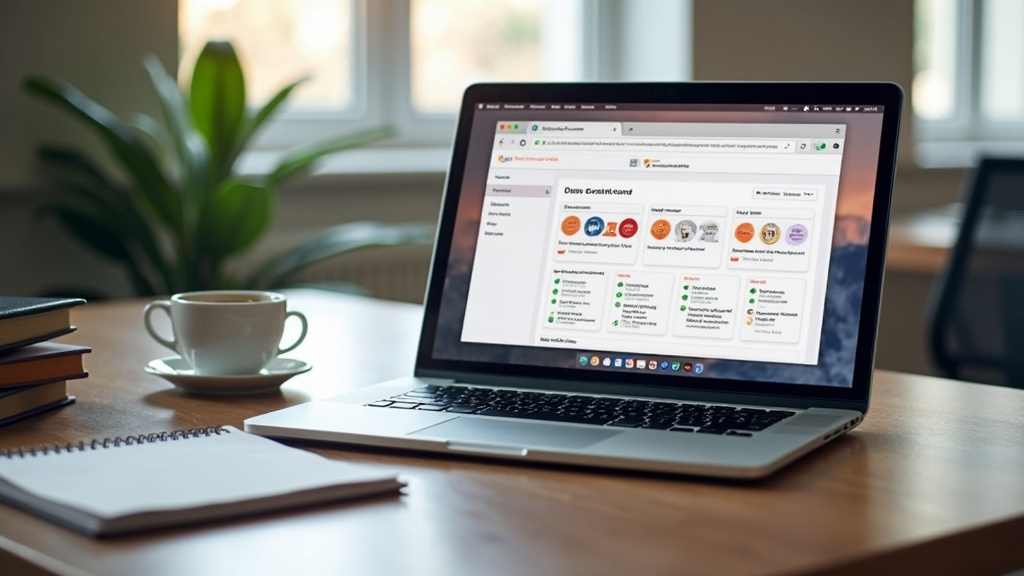
Laptop surrounded by notebooks, coffee mug, and headphones for online trainingOnline training can be a pretty handy way to take your career up a notch. With more industries going digital, there’s never been a better time to make the most of all the learning options out there. If you want to gain new skills, stay current with trends, or switch to a new role, online courses put you in the driver’s seat of your own professional adventure.
Finding the right course or platform can feel overwhelming at first. With a bit of planning, though, you can make online training work for you, no matter your background or industry. I’m going to walk you through some of the things I’ve learned about advancing a career with online training so you can pick up useful strategies and avoid common pitfalls along the way.

This guide covers practical steps for using online training to unlock new job opportunities, get noticed by employers, and start building the in-demand skills you need.


1. Identify Your Career Goals

Before you sign up for anything, it’s really important to get clear about what you actually want out of your career. Online training is only useful if it’s heading in the right direction. I like to start by asking myself a few questions to shape my choices.

Questions to Consider:

  • Where do I want my career to go in 1-3 years?
  • Are there skill gaps I need to fill for my next promotion or job?
  • Do I want to switch industries, earn a certification, or deepen my expertise?
  • Which topics or tools are popping up in job ads for roles I want?

If you’re not sure where to start, take a look at job boards like LinkedIn Jobs, or browse descriptions of your dream jobs. This gives you a solid sense of what skills are in demand across your field or a new industry you’d like to enter. Sometimes, reaching out to professionals already in your target roles and asking what skills helped them most can give you bonus insights.


2. Choose the Right Online Training Platform

There are tons of online learning platforms out there. Picking the right one for your goals can save you time and money. Some are great for tech and coding, while others focus on project management, marketing, design, or business topics.

Popular Online Training Platforms:

  • LinkedIn Learning: Super useful for business, tech, leadership, and soft skills. Integrates easily with your LinkedIn profile.
  • Coursera: Offers courses from universities and top companies, including full professional certificates.
  • Udemy: More casual with a wide range of practical, skill-based courses at various price points.
  • edX: Courses from universities like MIT, Harvard, and more, often free to audit with paid certificates if needed.
  • Google Career Certificates: Be sure to check these out for no-nonsense programs in IT support, UX design, and data analytics.

Before you pick a platform, read reviews and check if the content fits your learning style, whether it’s video lectures, assignments, peer feedback, or project work. Most sites let you preview lessons or see course outlines. Consider if the platform offers lifelong access or if access is limited after finishing a course. That can make a real difference if you think you’ll want to revisit the material later on.


3. Build a Training Schedule That Sticks

It’s easy to sign up for a course and then never touch it again. Life gets busy. The best way I’ve found to actually finish online training is to set a realistic, flexible schedule around my job or personal commitments so you can consistently make progress.

Tips for Creating a Consistent Study Routine:

  • Block off “study time” in your calendar—treat it like a work meeting or important appointment.
  • Decide if you learn better with shorter daily bursts or longer, focused weekend sessions.
  • Set deadlines for yourself using the course module schedule or your own milestones and check-ins.
  • Let family or housemates know when you’re studying so you can focus without interruptions.

If you’re not sure how much time you’ll have, commit to even 20-30 minutes a day. That adds up quickly over a few months. Be patient with yourself if your progress is slower than expected. The key is steady effort, not perfection.


4. Make the Most of Interactive Features

Many online courses include discussion boards, quizzes, hands-on projects, or peer-reviewed assignments. At first, you might feel awkward joining in, but these sections are where you often get the most out of a course by practicing your skills in a safe environment and seeing different perspectives.

Ways to Get Involved:

  • Ask questions or share ideas on course forums. This is a great way to learn from others’ real-life experience and get help when you’re stuck.
  • Give and receive feedback on peer projects. Noticing strengths and weaknesses in others’ work helps sharpen your own skills.
  • Seek out study groups or accountability partners if you find yourself losing motivation. Even a simple message swap can help you stick with it.
  • Take on optional miniprojects to build a real portfolio for your resume or LinkedIn profile, which can set you apart in application processes.

The more you interact, the more you’ll remember, and the more confident you’ll be using these skills at work or in an interview.


5. Add Training Certificates to Resumes & Profiles

Once you complete a course, don’t just file away the certificate. Use it to showcase your progress and new skills confidently. Most platforms make it easy to share certificates to your LinkedIn profile or download a PDF for your records.

Ideas for Highlighting Online Training:

  • Add a “Certifications” or “Professional Development” section to your resume. If a course included a practical project, mention it specifically.
  • Upload your completion badges and certificates to your LinkedIn under ‘Licenses & Certifications.’ This boosts visibility for recruiters scanning your profile.
  • Mention specific new skills or project work in your cover letters or interviews. Show how you put your new knowledge to work or solved a real-world problem during your course.

This shows hiring managers that you’re serious about growth and ready to learn new things, which is always a bonus. If you took a course with a capstone or final project, consider linking it in your online portfolio or attaching it to your job applications.


6. Avoid Common Pitfalls

Online training is super flexible, but that flexibility can also lead to procrastination or lost momentum. Here are a few things I wish I’d known earlier to keep learning on track:

  • Don’t try to take on too many courses at once. Pick one program to focus on so you actually finish and can remember the content.
  • If a course isn’t working for you, whether it’s too fast, too dull, or too basic, it’s fine to switch. Not every class is going to match your learning style or needs.
  • Avoid just watching videos passively. Take notes, practice along with the lessons, and try to apply ideas to your real job whenever possible.
  • Keep an eye out for scams, overpriced courses, or programs promising “guaranteed jobs.” Stick with trusted organizations and verified instructors. Do a quick search for external reviews if you’re not sure.
  • Remember that some fields, like health care and engineering, require licenses or degrees beyond online courses, so always research your industry’s requirements in advance.

7. Keep Your Skills Fresh and Up To Date

Industries change quickly, and what’s in demand today might be old news in a year or two. Make it a habit to check in with new courses or watch “update” modules when platforms put them out there. Short, focused lessons are great for staying on top of changes in software, best practices, or trends—and often don’t take much time.

How to Keep Learning:

  • Subscribe to email alerts from your favorite platforms for course updates or new content so you’re always in the loop.
  • Join professional groups or communities tied to your skill areas. This could be Slack groups, association forums, or relevant LinkedIn groups.
  • Set a reminder to review your skills and do a quick refresh every six months. Even reading an industry newsletter or watching a short update video helps you stay sharp.

Constant learning keeps you competitive, boosts your confidence, and opens doors you might not have seen coming. Stay curious and keep looking for fresh skill-building opportunities—you never know what you’ll stumble upon next!


Frequently Asked Questions

Can I get a job with just online training?

Some roles and companies value hands-on experience most, but plenty of employers now recognize reputable online certificates, especially from well-known platforms. Pair your training with real-world projects or volunteer work to show what you can do and give your resume extra punch.

How do I pick between similar courses?

  • Read reviews and look for recent completion dates to see if the course content is current and relevant to your goals.
  • Compare instructor backgrounds and credentials. Instructors with strong industry experience often bring more practical advice.
  • Select the one with real projects or interactive assignments. You learn more by doing, and these experiences stick with you in interviews—and in the job itself.

Are free courses worth it?

Absolutely! Many great courses are totally free, especially for beginners or if you’re exploring a new topic. You might need to pay for a certificate, but you can still gain the knowledge without spending a lot. Just check that the content is up to date and that the platform is reputable.


Ready to Take the Next Step?

Online training is an easy way to add new skills, stay curious, and give a boost to your chances of landing your next role. It doesn’t matter where you’re starting as long as you keep moving forward. Don’t forget, staying consistent is more important than making rapid progress in a week or two.

Your Quick Start Checklist:

  1. Pick one course or training program that matches your career goals and interests.
  2. Block out dedicated time on your calendar to keep your learning on track.
  3. Showcase your new skills, share certificates, update your resume, and highlight your progress to peers and potential employers!

What skill will you jump into next? If you need any course recommendations or have learned something valuable from online training, feel free to drop a comment below or connect with others starting their learning adventure.

Top Online Courses That Lead To High-Demand Certifications

Online courses leading to certificationsEarning a high-demand certification online can really improve your chances in the job market. Here you’ll find answers to common questions about top online courses that lead to certifications employers need.


Q1: Which online certifications are most in demand?

A1: Certifications in fields like cloud computing (such as AWS Certified Solutions Architect), cybersecurity (like CompTIA Security+), project management (PMP), and data analytics (Google Data Analytics Professional Certificate) are valued in many industries. Many employers look for people who have completed these programs because they show up-to-date skills and real-world knowledge. Other trending certifications include Microsoft Azure Fundamentals, Certified ScrumMaster (CSM), and Cisco Certified Network Associate (CCNA). These certifications suit anyone interested in digital transformation, agile management, and advanced networking, making them popular among professionals who want to stay competitive.


Q2: What are the top online course platforms for earning these certifications?

A2: I often recommend platforms like Coursera, Udemy, LinkedIn Learning, and edX. Coursera and edX team up with top universities and companies, so their certificates carry extra credibility. Udemy offers a big collection of affordable, focused courses. LinkedIn Learning helps by linking new skills to your professional profile, which makes it easier to show off your certification to employers. These sites also provide flexible schedules, interactive content, and options for both beginners and seasoned professionals, making learning fit easily into your life.


Q3: How do I know if a certification course is trustworthy?

A3: I always check the course’s provider, reviews from past learners, and whether the certification is recognized by industry groups. Many courses have a direct link to organizations like Google, Microsoft, or Cisco, which adds a layer of trust. Past student feedback helps spot any red flags, and employer recognition often shows up in job postings asking for that certification. You can also track down recommendations from online communities or professional groups to get the inside scoop before signing up. This research helps you feel confident that the certification will actually give a boost to your resume.


Q4: Are there any prerequisites I should know about before signing up?

A4: Some courses, like entry level IT certifications, don’t need any previous experience. Others, such as the PMP (Project Management Professional), ask for documented work hours or an existing degree. It’s really important to read the course description and see what’s required before signing up. This step saves time and avoids surprises down the road. For instance, some advanced cloud or cybersecurity certifications ask for foundational knowledge, while others provide preparatory modules to help you keep up. Double-check these details so you’re not caught off guard.


Q5: What kinds of jobs can these certifications help me get?

A5: Earning a certificate in cloud computing can lead to jobs as a cloud engineer or solutions architect. Cybersecurity credentials open doors to roles like security analyst or systems administrator. Data analytics certification leads many people to business intelligence or data analyst jobs. Project management certificates are helpful for roles in IT, healthcare, construction, and many other fields. From my experience, these certifications help you stand out in crowded job markets. They can also help you make a career switch or step up to management roles, especially when combined with real-world experience or a degree.


I’ve seen people use popular online certifications to launch new careers, earn promotions, or even switch industries. Taking one of these courses is a practical move if you want skills that are valued by employers and recognized worldwide. Always take time to research course providers and match certifications with your career goals. Doing this gives you the best shot at making real progress and gives a boost to your professional future.

Benefits Of Online Certifications In Today’s Job Market

Illustration of certificates and digital badges on a laptop screen
The Benefits Of Online Certifications In Today’s Job Market

Climbing the career ladder often means searching for ways to stand out. I’ve found that online certifications are some of the best tools for giving your skills a boost and opening new doors, wherever you are in your professional adventure. With so many online courses available, covering areas like data analysis, programming, business leadership, writing, and graphic design, it’s now much easier to step up your expertise without requesting days off work or rearranging your whole life schedule.

Online certifications have become flexible, affordable, and respected by employers in all sorts of industries. Whether you’re switching to a new field or trying to stay at the top of your game in your current job, having online credentials can give you a leg-up in today’s competitive job market and open possibilities you may not have thought about before.


Why Online Certifications Are Worth Your Time

  • Learn at your own pace. Online certifications let you schedule studying around your busy life. That means you don’t have to pick between working and growing professionally.
  • Wide range of topics. There are courses for just about everything, such as tech skills, business management, creative tools, language learning, writing, and even soft skills like teamwork or customer service.
  • Affordable compared to traditional degrees. Many programs are budget friendly, and some are even free or have financial aid options.
  • Instant proof of skills. Digital badges and certificates can be shared on your resume or LinkedIn profile, so you can show off your skills as soon as you earn them.

Popular Industries Where Online Certifications Matter

Many employers now look at online certificates as legitimate proof of abilities. Here are some fields where online credentials have made a difference:

  • Information Technology (IT) and Cybersecurity: Courses in coding, network management, cloud computing, and security help land jobs or promotions in a quickly evolving tech world.
  • Business and Marketing: Certifications in project management, marketing, and analytics can bring you up to speed or boost your credibility, even for those just starting out.
  • Healthcare and Wellness: Short courses on telemedicine, medical billing, pharmacy tech, or fitness training let you break into booming fields without a huge time investment.
  • Design and Creative Fields: Certifications in graphic design, UX/UI, copywriting, or video editing can add spark to your portfolio and set you apart from other candidates.

There’s also growth in other industries like education, finance, logistics, and human resources, where digital credentials can help you show skill upgrades or shift job focus more easily.


Key Advantages Of Online Certifications

Flexibility To Fit Your Life

Balancing work, family, and your own free time can be tough. From my experience, online certifications offer true flexibility. You can work on lessons in the evenings, weekends, or even during lunch breaks. Most online courses are self-paced, allowing you to finish quickly or take your time, depending on your needs. This type of learning helps people at all career stages, from students to working parents and busy professionals.

Up-to-Date and Relevant Content

Traditional classrooms sometimes lag behind industry updates, but online course content is often refreshed by working professionals. That means you’re learning what companies use right now—especially critical for tech, business, or digital skills that move fast. Courses often include real world examples and hands-on projects so you can practice, not just read about the latest techniques.

Instant Recognition From Employers

Employers are starting to value digital badges and online certificates from well-known learning sites like Coursera, LinkedIn Learning, Google, HubSpot, and Microsoft. When you add these to your resume or LinkedIn, it gives hiring managers a fast, clear look at your abilities, and sometimes gets you called in for interviews, even if you’re competing with candidates who hold university degrees.


How To Choose The Right Online Certification

  • Check industry recognition. Make sure employers in your field respect the program you’re considering. Job ads sometimes mention specific certifications they like seeing.
  • Research course content. Look through the outline to see if the class really teaches skills you’re after, or those listed in target jobs.
  • Compare price and time. Programs vary, from free introductory classes to pricier, deep dive options. Make sure the choice lines up with your budget and schedule.

A bit of research at the start can save you time and money, ensuring your new certificate is really worth it, not just a nice add-on. Ask around in online forums or check alumni feedback as part of your decision process.


Tips For Making The Most Of Online Certifications

  • List earned certifications on your resume and digital profiles immediately; this shows recruiters your commitment to growth.
  • Try a small project, internship, or volunteer opportunity using your new skills. It gives you stories to share in interviews.
  • Connect on forums or networking communities linked to your certification program. You’ll find support, mentoring, and job leads.
  • Get into the habit of continued learning. Each certificate keeps you current and can inspire curiosity to explore related fields.

Frequently Asked Questions

Q: Do online certifications matter as much as degrees?
Online certifications don’t take the place of a traditional degree for every role, but they do offer targeted, timely proof of ability. For jobs where recruiters need specific skills, a recent digital badge can get you noticed or help you move forward, even with a diploma.

Q: How long does it take to earn an online certificate?
Most can be completed in a few weeks to months, depending on the subject, how much you know, and your schedule. Many schools and sites give you estimated timelines before you sign up.

Q: Are free online certifications worth it?
Quite a few no-cost classes award real, recognized credentials, especially from big-name companies or respected industry organizations. Always check employer reviews and student feedback to make sure it’ll help before putting in the effort.


Boosting Your Career With Online Certifications

Online certifications are more than just resume boosters—they’re practical ways to learn, connect with new opportunities, and prove you’re committed to growth. When you invest time and effort, you’ll likely notice higher confidence, better job options, and even a reignited passion for your work or learning. If you want to take your career up a notch or try something new, the right online certificate is a smart move worth considering.

Common LMS Challenges And How To Overcome Them

LMS Challenges

Learning Management Systems (LMS) offer plenty of advantages to organizations and educators, but running into obstacles is common. I’ve faced quite a few typical LMS headaches myself and have picked up some solid solutions along the way. If you’re stuck dealing with LMS issues, you’re definitely in good company.


LMS Setup and Onboarding Hurdles

Getting started with a new LMS is exciting, but setting it up can feel overwhelming. I’ve watched teams circle back again and again over things like importing course content, organizing modules, and figuring out user access. Sometimes even simple tasks like uploading a course outline or making a new quiz can chew up more time than anyone expects.

  • Keep it simple at the beginning: Launch with just a few courses and basic options. This way, everyone can get used to the layout before jumping into more advanced features.
  • Use vendor-provided resources: Most LMS companies put out guides, how-to videos, or even live support. Checking these out early can head off confusion before it starts.
  • Smaller training groups work best: Training in small teams gives people the chance to ask questions and learn at their speed. It’s far less overwhelming than trying to train a huge group all at once.

User Engagement and Motivation Problems

Another common issue is keeping learners active. Plenty of employees only log in when required, and even then they might breeze through with little enthusiasm. Usually, this comes down to people not seeing the point or finding the LMS boring to use.

  • Break lessons into small parts: Short, focused sessions stop learners from getting swamped and let them fit training into their regular day.
  • Add some fun elements: Quizzes, badges, and even leaderboards can give a real boost to motivation. Even something as simple as a progress bar can get folks competing (and cooperating) in a good way.
  • Ask for feedback often: Get user input about what would improve the LMS, and actually put some of it into practice. Participation always ticks up when people feel valued.

Content Management Nightmares

No matter how powerful your LMS is, if the content is stale or tricky to find, it just doesn’t work. Messy course organization or difficult navigation can throw a wrench into the learning process.

  • Set regular review dates: Mark your calendar to check and update training content, quizzes, and supporting materials at regular intervals.
  • Clear organization is crucial: Group connected topics, use basic titles for each section, and keep the LMS homepage neat so nothing important gets lost.
  • Use search and filter tools: Make the most of built-in search features and categories. If you can tag resources or use folders, those keep things organized.

Technical Troubles and Support Woes

Technology hiccups are among the biggest frustrations with any LMS setup. Login failures, pages refusing to load, or uncooperative videos can cause real headaches for users and support teams alike.

  • Make sure everything works on your team’s devices: Double-check that your LMS is compatible with the browsers and devices used by your group before a major launch.
  • Have a troubleshooting guide ready: I like maintaining a quick step-by-step help sheet for common problems. It saves both users and the support crew a lot of time.
  • Plan for outages: When problems crop up, point your users to backup materials such as cloud folders, alternative links, or PDF downloads until you can get things sorted out.

Pulling Everything Together

Handling LMS challenges is part of the ongoing adventure, but it gets easier with each round. With open communication, frequent updates, and a straightforward setup, a lot of the headaches can be avoided. In my experience, the real key has been keeping flexible and actually paying attention to what users need instead of chasing every new gadget or feature because it looks next-level cool.


Share Your Experience

If you’ve tackled any LMS headaches—big or small—I’d love to hear what worked for you. Drop your thoughts or questions in the comments. Your ideas might just help someone else who’s stuck with the same problem.