Career Transition: From Traditional Jobs to Digital Roles


The professional landscape is undergoing a dramatic shift. Traditional jobs that once guaranteed long-term stability are being replaced or supplemented by digital roles that demand flexibility, creativity, and tech-savviness. From marketing specialists to virtual assistants, from teachers to online course creators, the move from brick-and-mortar offices to digital platforms is no longer optional—it’s a necessity for career resilience.

In this article, we’ll explore why career transitions into digital roles are accelerating, what opportunities exist, and how professionals can adapt for long-term success.


The Shift from Traditional to Digital Careers

Declining Stability in Traditional Jobs

For decades, traditional jobs in industries like manufacturing, retail, and even corporate administration promised stable salaries and predictable career growth. However, automation, artificial intelligence, and globalization have disrupted these sectors. Roles once performed by humans are increasingly automated, while global competition drives companies to cut costs and restructure.

This has left many professionals questioning the sustainability of their careers in traditional fields. Job seekers are now turning to the digital economy, which is not only more flexible but also offers diverse opportunities across industries.

The Rise of the Digital Economy

Digital careers thrive on technology, remote collaboration, and online platforms. With global internet access expanding and digital tools becoming more affordable, professionals can now work with clients and companies worldwide. Digital jobs also allow for multiple income streams, from freelancing to e-commerce, creating opportunities for financial independence.

According to recent reports, roles in digital marketing, e-learning, software development, and online consulting have seen exponential growth. These positions are often remote, project-based, and skill-driven, giving individuals the chance to craft careers around their lifestyle rather than fitting their lives into rigid office schedules.


Benefits of Transitioning to Digital Roles

  1. Flexibility and Remote Work
    Digital roles often allow you to work from anywhere. Whether you’re a freelance writer in Ghana, a software developer in India, or a virtual assistant in Canada, you can collaborate with global clients without geographical restrictions.
  2. Diverse Income Streams
    Unlike traditional jobs tied to a single employer, digital professionals can diversify income through multiple clients, affiliate marketing, e-commerce stores, or digital product creation.
  3. Future-Proof Skills
    Learning digital skills such as coding, digital marketing, data analytics, or content creation ensures long-term employability as these competencies remain in demand across industries.
  4. Opportunities for Entrepreneurship
    Many digital roles, such as online coaching, blogging, or e-commerce, allow individuals to build businesses that generate passive income over time.

Key Digital Career Paths

1. Digital Marketing

As businesses shift online, the demand for digital marketing specialists is booming. Skills such as SEO, social media management, pay-per-click advertising, and email marketing are highly sought after. Professionals transitioning from sales or communication roles can quickly adapt to this field.

2. Online Education & E-Learning

Teachers and trainers are finding new opportunities in e-learning. Platforms like Udemy, Coursera, and even personal WordPress websites allow educators to monetize their expertise through online courses, eBooks, or coaching programs.

3. Freelancing & Remote Services

From graphic design to virtual assistance, freelancing platforms like Upwork, Fiverr, and Toptal connect professionals with clients globally. This path is ideal for individuals with transferable skills from administrative, creative, or technical backgrounds.

4. E-Commerce & Affiliate Marketing

Online shopping has exploded, creating opportunities in e-commerce. Professionals can set up online shops, dropshipping businesses, or affiliate marketing websites to promote products for commission. This suits individuals with retail, marketing, or entrepreneurial experience.

5. Tech & Software Development

The demand for web developers, app designers, and cybersecurity specialists continues to grow. Transitioning into tech may require reskilling, but online bootcamps and certification programs make it accessible to anyone motivated to learn.


Challenges in Transitioning

1. Learning Curve

Moving into digital careers requires new skills. Professionals may need to invest time and money in courses, certifications, or mentorship.

2. Income Instability

Unlike salaried jobs, digital careers—especially freelancing and entrepreneurship—often come with fluctuating incomes. Building a consistent client base or revenue stream takes time.

3. Self-Discipline & Adaptability

Remote digital roles require strong self-management. Without a boss physically present, individuals must develop discipline to meet deadlines and adapt to rapidly evolving technology.


How to Successfully Transition to a Digital Career

Step 1: Assess Transferable Skills

Start by identifying which of your current skills are valuable in the digital space. For example:

  • Teachers can shift into e-learning.
  • Sales professionals can transition into digital marketing.
  • Administrators can become virtual assistants.

Step 2: Upskill Strategically

Enroll in online courses, webinars, or bootcamps. Platforms like LinkedIn Learning, Coursera, or Skillswave offer affordable training in SEO, coding, project management, and more.

Step 3: Build a Personal Brand

Your digital presence is your resume. Create a professional LinkedIn profile, a personal website, or a portfolio showcasing your work. Consistently share insights in your niche to position yourself as an expert.

Step 4: Start Small, Scale Gradually

Begin with freelance gigs or part-time online projects while maintaining your traditional job. As your skills and confidence grow, transition fully into the digital role.

Step 5: Network in Digital Communities

Join online forums, social media groups, and professional communities. Networking exposes you to opportunities, mentorship, and industry trends.


SEO Tips for Professionals Entering Digital Careers

If you plan to market yourself online—through a website, blog, or portfolio—optimizing for SEO is essential. Here are quick strategies:

  • Keyword Optimization: Use targeted keywords like “career transition,” “digital jobs,” or “remote work opportunities” naturally within your content.
  • Content Marketing: Share valuable insights on blogs or LinkedIn to attract recruiters and clients.
  • Backlink Building: Collaborate with peers to guest post or share links, boosting your site’s authority.
  • Mobile Optimization: Ensure your website or portfolio is mobile-friendly, as most users access content via smartphones.

The Future of Work: Why Digital Careers Will Dominate

The global workforce is not returning to its pre-digital state. Automation, AI, and remote work tools are reshaping industries at lightning speed. Those who transition to digital careers now will not only secure their place in the workforce but also enjoy greater flexibility, global opportunities, and entrepreneurial freedom.

Governments and organizations are also investing heavily in digital literacy programs, further accelerating the move toward online careers. Whether you’re a mid-career professional or a retiree looking for extra income, digital roles provide accessible, scalable options.


Conclusion

Career transition from traditional jobs to digital roles is more than a trend—it is a necessity in today’s evolving economy. By identifying transferable skills, upskilling strategically, and leveraging digital platforms, professionals can future-proof their careers. While the journey requires adaptability and resilience, the rewards—flexibility, global reach, and entrepreneurial opportunities—make it worth the effort.

The future belongs to those willing to embrace digital change. If you’re ready to make the leap, the best time to start is now


The Role Of AI In Shaping Future Digital Careers

AI is changing our work lives, no doubt. From marketing campaigns that seem to know exactly what we’re thinking, to software that predicts our next moves at work, AI is all over the place. It’s kind of like the behind-the-scenes cast member finally stepping into the spotlight.

AI’s influence is stretching across different careers. Whether you’re slinging ads in a marketing firm, juggling numbers as a data analyst, or debugging code as a developer, you’re bound to come face-to-face with some AI-driven changes sooner or later. It’s becoming the secret sauce to success in many of today’s digital roles.

Generated image

Staying relevant in the ever-changing job market means riding the AI wave, not crashing under it. The greatest careers of our time may just be the ones that adapt fastest to these new AI-powered tools and strategies. Don’t just watch the future unfold—grab a seat at the table and shape it yourself.

AI Transforming Work: Key Shifts

AI can quickly take on tasks that used to eat up chunks of our workday. Imagine not having to sweat over manual reports or endless scheduling. With AI, these mundane tasks are becoming as automated as setting a morning alarm.

Decision-making just got a major upgrade. Predictive analytics are making it easier to forecast what might happen next. Armed with intelligent dashboards, you’re no longer guessing—you’re making smart moves backed by data.

Personalization is the name of the game, and AI is playing it like a pro. Whether you’re targeting ads or crafting that perfect email, AI helps tailor content to individual tastes, all at the click of a button.

AI speeds everything up. Tools like code assistants and no-code platforms are slashing development times. What would’ve taken weeks is now a few days’ work—max.

Major platforms like Google, Shopify, and WordPress aren’t just sitting on the sidelines. These giants are integrating AI directly into their ecosystems, helping users enhance their digital presence in savvy ways.

Getting comfortable with these shifts isn’t just a good idea—it’s necessary. The more you embrace AI in your job, the more efficient and innovative you’ll become. Start small, experiment with AI tools, and watch how they transform your workflow.

Exploring High-Growth AI-Driven Career Paths

AI is opening doors to a bunch of new career paths that weren’t on the radar a few years back.

Take AI-savvy marketers, for instance. They’re the wizards behind those ads that read your mind. These pros know how to sprinkle AI into SEO, ads, and content creation. If you know how to prompt, analyze conversion rates, and play nice with analytics tools, you’re golden.

Data and marketing analysts are diving into data pools, transforming raw numbers into insights that businesses thrive on. Mastery of SQL, Python, and dashboard tools could make you the go-to person for insights that drive decisions.

Ever considered being an AI product manager? Think of yourself as a builder of futuristic features that users can’t live without. By understanding metrics, being tech-literate, and keeping ethical concerns in check, these managers lead AI product portfolios to success.

Then there’s the MLOps engineer, the knight ensuring that machine learning models run smoothly. With skills in Python and continuous integration/continuous deployment (CI/CD), these engineers hold the technical keys to AI kingdom.

AI content creators are shaping brand voices with generated content that’s both safe and engaging. Fine-tuning prompts, editing for SEO, and creativity are their secret weapons.

In cybersecurity, AI helps analysts spot threats before they happen. Knowing your way around Security Information and Event Management (SIEM) tools could make you a cybersecurity lynchpin.

AI even boosts roles in e-commerce—optimizing lifecycle flows and automating customer interactions, making experts in platforms like WooCommerce and Klaviyo more important than ever.

From AI marketers to MLOps engineers, there’s a whole roster of careers ready for those prepared to dive into the AI realm. It’s not just about adding ‘AI’ to your resume; it’s about understanding how to wield it effectively.

Essential Skills for the AI Era

As AI becomes a bigger part of our work routine, having the right skills makes all the difference. The language of data is crucial—knowing SQL, using dashboards, and analyzing cohorts gives you a competitive edge. Get comfy with crunching numbers, and you might just find yourself the new office hero.

There’s also something called prompt engineering, which is all about crafting the right questions and commands to get AI systems yielding meaningful results. If you can master structured prompts and evaluation methods, you’ll turn AI into a real superpower for your tasks.

Having some technical fluency, even if it’s basic Python or understanding APIs, is handy when AI tools come into play. The better you understand the tech behind the tools, the more effectively you can use them.

AI is breathing new creativity into UX design too. Imagine designing inclusive, AI-driven prototypes that don’t just look good, they feel good to interact with. In a world where user experience is everything, having creative UX skills is pure gold.

Finally, we can’t skip the ethics and compliance side of things. As AI becomes smarter, making sure it stays respectful, unbiased, and secures privacy is just as critical as the tasks it simplifies. Think of checking for biases, following privacy rules, and ensuring human oversight as part of your daily AI dealings.

Honing these skills ensures you aren’t just another employee—you’re the person every team wants. Navigating the AI era means blending technical knowledge with ethical practices and creative insights.

AI’s Impact Across Various Industries

AI is seriously shaking things up across the board. In marketing, it ramps up productivity by supercharging keyword research and cooking up spot-on content briefs. Tools that used to take weeks before campaigns are now turning tasks around in days.

In e-commerce, AI is automating everything from abandoned cart reminders to dynamic pricing models. It’s all about enhancing customer journeys with personalized recommendations that seem custom-tailored for each shopper.

Product development isn’t left behind, either. AI-driven features, like smart search and code assistance, speed up innovation. Products get to market quicker, and they’re designed with user experience in mind from the start.

Cybersecurity finds its AI ally in real-time fraud detection and log analysis. It’s like having a 24/7 watchdog, keeping businesses secure from threats that are constantly evolving.

Picture this: With tools like Send in Elementor for WordPress and WooCommerce, store owners are launching AI-assisted campaigns that monitor everything from welcome sequences to cart recovery flows—effortlessly. They’ve managed to simplify what used to be complex, without ever looking outside their existing frameworks.

AI’s impact is basically a game-changer for any industry willing to use it creatively and responsibly. By adapting to AI-driven strategies, industries aren’t just keeping up with trends; they’re setting them.

Portfolio Projects to Showcase AI Proficiency

Building a strong portfolio proves you mean business when it comes to AI skills. Let’s dive into projects that can make recruiters and clients alike stand up and notice.

Start with an AI SEO Lab. Create a mini content hub and track its rankings over time. It shows you know your way around AI-enhanced SEO, and it’s something tangible you can point to when talking about your skills.

Another clever project is an Analytics Notebook. By answering important questions like Customer Acquisition Cost (CAC) or Lifetime Value (LTV) with sample data from a store, you demonstrate the ability to turn raw data into actionable insights.

Lifecycle Automation projects are a hit in e-commerce. Set up five automated flows like welcome sequences or cart abandonment routines. These flows exhibit your knack for using AI to keep customers engaged without manual intervention.

Ever think about making an AI-powered chatbot? Develop a Retriever Augmented Generation (RAG) demonstration, which shows your chatbot drawing answers from uploaded documents. It’s a practical showcase of AI in real-world applications.

Finally, consider crafting an AI-designed UX prototype. This involves creating a conversational flow that helps guide product selection. Users will love the intuitive navigation, and you’ll love showing how AI can enhance user experience.

These projects are more than tasks—they’re conversation starters at interviews and mixers. They let you demonstrate your mastery of AI with real results, putting you a cut above the rest. So, roll up your sleeves and start experimenting; your next big opportunity could be just a project away.

Looking Ahead: Preparing for an AI-Driven Future

The future’s looking incredibly AI-driven, and it’s not slowing down. AI agents ready to handle multi-step workflows with a human supervisor—sounds futuristic, right? This is on the horizon, and it’s all about making tech work seamlessly with human expertise.

On the tech side, on-device AI is getting some serious upgrades. Picture faster, more private models that respect user privacy while delivering blazing quick results. Keeping up with these changes might require a tech tune-up, but it’s totally worth it.

As AI gets more rooted into everyday processes, regulations around data and transparency are tightening. Having skills in compliance could soon be more than just a plus—it might be essential. Keeping abreast of these developments ensures you can navigate both the tech world and the legal landscape smoothly.

Still wondering how to keep up. Go for continuous learning. Specialize in AI skills that interest you and stay curious. The more you dive into AI, the more you’ll find yourself at the crossroads of opportunity and innovation.

By preparing now, you’re not just reacting to changes—you’re creating a proactive career path that sees tomorrow’s trends today. As AI evolves, so too will your role as a tech-savvy candidate, ready to dive into the next big thing.

Top 10 Digital Skills Every Professional Should Master In 2025

Abstract digital skills icons and technology elements
Top 10 Digital Skills Every Professional Should Master In 2025

Technology keeps changing the way we work, and staying sharp with digital skills helps me stay ahead of the curve. I’ve seen firsthand how the right know-how can turn your daily grind into an exciting opportunity or open doors to projects that just weren’t possible a few years ago. Even if tech isn’t your favorite thing, picking up key digital skills is really important for just about any career these days. I’ve put together this roundup of skills that have the biggest impact, based on my own experience and what’s trending in 2025.

What makes these skills so useful is their flexibility. Whether I’m working remotely, leading a team, or launching a side project, these digital abilities help me solve problems, connect with others, and stay competitive. I’ve found they also give me the confidence to tackle new roles or help friends and coworkers when they’re stuck. These skills aren’t just for the workplace—they come in handy in everyday life too, like organizing personal projects, managing finances, or even staying in touch with loved ones across borders.


What Makes These Digital Skills Worth Learning?

  • Stay competitive: New tools and tech keep popping up. Having a solid digital toolkit means I don’t get left behind.
  • Work smarter: Many digital skills help automate the boring stuff, which frees up time for projects I really care about.
  • Boost career growth: Managers notice when I bring new ideas or handle tech challenges without fuss.
  • Adapt easily: Job roles mix it up and evolve, so building strong digital skills keeps me ready for whatever comes next.
  • Problem-solving: Hands-on digital skills often let me fix things myself or spot issues before they snowball. It’s a real confidence booster and makes me a go-to resource in any team.

The Top 10 Digital Skills For 2025

Here’s my go-to list of digital skills that are really worth picking up. Each one opens up new possibilities and helps make work a bit more interesting and manageable.

  • 1. Data Literacy
    Understanding how to read, analyze, and use data is key for almost any industry. I’m not talking about advanced coding or becoming a data scientist. Just basic comfort with spreadsheets, charts, and simple data tools makes a big difference. I use data to spot trends, track results, and make decisions with more confidence. It comes in handy even for things like budgeting or tracking personal goals.
  • 2. Artificial Intelligence & Automation
    Tools like ChatGPT, workflow automation, and nocode platforms have changed the game. Learning how to use AI tools in ways that help my projects (like summarizing info or automating emails) saves me hours each week. It’s worth getting familiar with what’s out there and experimenting to see what sticks. The more I play with these tools, the more creative solutions I find.
  • 3. Cybersecurity Awareness
    Safe digital habits protect me, and my projects, from hackers or data leaks. Things like strong password management, spotting phishing attempts, and turning on twofactor authentication are all part of my routine. Even the basics go a long way. I also take the time to check on regular updates and keep backups, which adds a layer of peace of mind.
  • 4. Cloud Collaboration Tools
    Being able to use platforms like Google Workspace, Microsoft 365, or project management software is nearly a baseline expectation now. I rely on cloud tools to share docs, work on projects with teams all over the place, and keep things organized across devices. Even family and friends collaborate on planning events or trips using shared docs and calendars.
  • 5. Digital Communication
    Clear communication over email, video calls, or collaboration apps makes hybrid or remote work much smoother. I spend time learning shortcuts, proper netiquette, and how to make documents or slides that aren’t confusing. Even simple things like writing concise emails and using clear subject lines step up how I come across.
  • 6. Digital Marketing Basics
    Everyone needs at least a little marketing skill, whether I’m promoting my work, helping with a company campaign, or starting a side hustle. This covers SEO, understanding how social media algorithms work, creating basic graphics, and knowing how to measure results. I like following digital marketing blogs or YouTube channels for fun tips and inspiration.
  • 7. UX and Web Fundamentals
    Knowing how websites function, what makes an app easy to use, and basic web navigation really helps. Even if I’m not a designer, understanding user experience (UX) and web structure lets me give better feedback, fix small issues, or even build simple pages when needed. It also helps me spot what makes a website effective for my own projects.
  • 8. Digital Project Management
    Tools like Trello, Asana, or Notion are everywhere now. Getting comfortable with these means I can manage team projects, set deadlines, and keep things moving. I find these especially helpful when juggling multiple jobs or working with remote colleagues. Plus, learning the basics of agile or kanban boards can make even a household task list way more efficient.
  • 9. Content Creation Skills
    From blog posts to video clips, being able to whip up original content helps me stand out and share ideas. I use learning platforms to get better at editing, graphics, or even a bit of animation. Canva and CapCut are two of my favorite tools for quick projects. Creating content also helps me express my ideas clearly and build my personal brand online.
  • 10. Digital Problem-Solving
    Good problem-solving these days means finding answers online, using help docs, or reaching out to communities for tricky issues. Building confidence with troubleshooting helps me learn faster and makes me feel less stuck when something breaks or doesn’t work as expected. I also like following forums where I can ask questions and share what I’ve learned.

How To Start Building Your Digital Skills

  • Start with one or two skills that pop up most in your current job duties or interest you most.
  • Use free resources. YouTube tutorials, free Coursera modules, and company learning portals usually feature bite-sized lessons.
  • Practice daily, even for just ten minutes. Consistency is what really made these skills stick for me.
  • Don’t be afraid to experiment. Playing around with new apps or tools is how I stumbled upon some of my favorites.
  • Track your progress with a simple list or journal so you can look back and see how far you’ve come over time.

Digital Skills Tips & Easy Wins

  • Mix and match: Combining even basic skills (like project management and social media) leads to new work opportunities.
  • Find a mentor or community. I check out online groups (Reddit, Discord, industry forums) where people ask and answer real-world tech questions.
  • Update your toolkit: Tech changes fast. I block out an hour once a month to check for software updates or watch a quick trends video so I don’t fall behind.
  • Share what you learn: Writing a quick post about something new you’ve tracked down not only helps others but also helps cement the skill for yourself.
  • Reflect on successes and struggles; noting what worked or was tricky keeps you honest and focused on growth instead of just the next trend.

Frequently Asked Questions

Q: Are these skills only important for people in tech jobs?
A: Not at all. I use these skills in marketing, admin, teaching, and even in creative projects. Most industries now expect some level of digital comfort from everyone.

Q: How long does it take to learn a new digital skill?
A: It really depends on the skill and your starting point. I’ve picked up some basics in just a week, while others take a few months of steady practice to feel comfortable. Keep at it and be patient with yourself.

Q: Do I need to buy expensive software or hardware?
A: Not for most of these. A lot of tools have free or low-cost options, and browserbased solutions work just fine for starters. If you ever upgrade later, your new skills will transfer easily.


Share Your Digital Wins!

The best digital skills are the ones you actually use and enjoy. Pick one from this list and try it out at your own pace. If you stumble upon a neat shortcut or tool, I’d love to hear about it. Sharing tips helps everyone take things up a notch. Happy learning and good luck mastering these digital basics for the year ahead!

Marketing Your Online Course: Tips To Attract More Students

Laptop with online course dashboard, vibrant course icons, and promotional banners
Marketing Your Online Course: Tips To Attract More Students

Launching an online course brings a great sense of pride, especially after months of hard work putting lessons together. I remember the first time I offered my own course. I quickly realized that having a strong marketing plan made all the difference. Without an audience, even the best course stays hidden. Learning how to promote your course effectively means your content can reach the people who need it most.

Standing out doesn’t mean you need a huge budget or years of marketing experience. With a few targeted strategies, clear messaging, and consistent outreach, you can connect with more students and see your online class gain real momentum. If you stick with a thoughtful approach, you’ll find your course growing in no time.


Reasons To Focus on Marketing Your Course

  • More people stumbling upon your content. Effective marketing helps your course appear in relevant searches and social feeds.
  • Increased student trust. When your course looks professional online, potential students feel more confident enrolling.
  • Steady enrollments and growth. A well-marketed course is more likely to attract new signups, even after the initial launch period.
  • Opportunities for feedback and community building. More students mean richer conversations and better reviews. Interacting with your students also helps you develop strong relationships that can lead to long-lasting student loyalty or word-of-mouth recommendations.

Essential Steps Before You Start Marketing

Before promoting your course, I find it really helpful to cover a few important basics. Identifying your target student, making your course page clear, and preparing the right marketing materials gives every campaign a better chance of success. With these foundational steps, your promotional efforts will be focused and much more effective.

  • Define your ideal student. Create a brief profile based on age, interests, or professional background. This helps in choosing the right marketing channels and writing messages that feel personal. Understanding your audience is essential for tailoring your content to address their specific needs and challenges.
  • Optimize your course landing page. Include a strong headline, a list of benefits, some details about lessons, and a quick signup option. Clear visuals and testimonials help as well. A streamlined landing page makes it easy for people to sign up and get excited about joining your class.
  • Create core marketing materials. Prepare simple graphics, sample lesson clips, and branded banners. Consistency in visuals builds recognition over time. Think about having a short introductory video that explains the value of your course to give potential students a sneak peek.

Top Ways To Promote Your Online Course

1. Use Social Media to Build Awareness

I started by sharing updates, tips, and course stories on platforms where my audience spent most of their time. Short video teasers, behind the scenes looks, and student shoutouts created excitement and earned shares. I found that using relevant hashtags and joining topicspecific groups helped my content go further. Set aside a little time each week to interact with comments, answer questions, or repost content shared by your students. Personal interaction makes your presence more approachable and authentic.

2. Build an Email List Early

An email list lets you reach potential students directly, without relying on algorithms. I offered a free downloadable guide related to my course topic in exchange for an email signup. Regular newsletters with useful tips, course updates, and simple calls to action led to conversions over time. Segmenting your email list—for example, by interest or familiarity with your subject—lets you send more relevant messages and increase engagement.

3. Team Up With Partners and Influencers

Teaming up with bloggers, educators, or industry experts brought fresh eyes to my course. Sometimes I guest posted on related blogs or invited a guest to do a live Q&A session. Referrals from trusted sources always turned into high-quality signups in my experience. Look for people who already have access to your target audience, and offer to provide value to their platforms as well. You can exchange interviews, share resources, or help promote each other’s content.

4. Share Real Student Success Stories

Personal testimonials made my course feel approachable. I asked early students for feedback and permission to share their stories. Before and after case studies, quick video reviews, or short written quotes helped new visitors feel confident signing up. Sharing progress updates and highlighting student achievements (like earning certificates or completing challenging lessons) reinforces the real-world impact of your course.

5. Tap Into Online Communities

Relevant forums, Facebook groups, or Reddit threads related to my topic were great places to get into genuine, helpful conversations. Answering questions and sharing problemsolving tips (without spamming) established trust and pointed interested people toward my course. Stay active in these communities by contributing advice, providing helpful resources, or participating in regular discussions. Over time, you’ll become a wellknown resource and your course will see steady interest from group members.


Recommended Content and Messaging Tips

  • Highlight the main outcomes or skills your course delivers, rather than just listing topics.
  • Use clear, short language to describe who the course is for and what results they can expect. Tailor your messaging based on what your audience cares about or hopes to achieve.
  • Include a visible “enroll now” button or link on every promotional page.
  • Share teaching methods, such as interactive lessons, real world examples, or personalized feedback.

I made sure to avoid jargon, showed my personality in course previews, and included honest information about what students would gain. Mixing written content, short videos, and infographics helps your message appeal to all kinds of learners.


Answers To Common Marketing Questions

Q: Do I need to pay for ads to successfully market my course?
I’ve had success with both paid and unpaid strategies. Social media ads or Google ads can build momentum quickly if you’re ready for that investment, but you can also grow your audience with regular content sharing, email marketing, and collaborations, especially when starting out. Spend your money wisely; consider small ad campaigns to test your interest while growing your following with organic methods.

Q: What’s the best way to get reviews or testimonials?
I ask students for feedback soon after they finish a key lesson. Offering a bonus resource or early access to new lessons as a thankyou can increase the response rate. The earlier you build social proof, the faster your course gains trust online. Reach out personally and make it easy for students to submit a quick review, perhaps with a simple survey or short form.

Q: How do I keep my course marketing fresh over time?
I update promotional materials with new student stories, record fresh video clips about upcoming lessons, and post regular updates about improvements I’m making to the content. Anything that keeps your course looking active and updated will bring in repeat visitors as well as new students. Launching seasonal promotions, highlighting recent student milestones, or sharing new bonus content can spark ongoing interest throughout the year.


Giving Your Course the Visibility It Deserves

Consistent marketing has helped me fill classes, expand my reach, and see real enthusiasm from my students. Trying different approaches, tracking what resonates, and staying positive even when things start out slow has always been worth it. Experiment with these tips, keep your messaging genuine, and celebrate each new student who joins your community. Your expertise deserves to be seen and shared widely. If you have any unique marketing approaches or questions, I’d love to hear them below. Best of luck with your course adventure!

5 Proven Ways To Monetize Your Online Training Business

Online Training Monetization GraphicBuilding an online training business is a smart way to share your knowledge and reach students around the world. But once you’ve spent time creating your courses and building your platform, figuring out how to make real money from your hard work takes some planning. There are lots of different ways to bring in income from online training, and you can mix and match depending on your audience, your expertise, and your long-term goals. If you’re curious about how to boost your revenue beyond just selling access to videos, you’re in the right place. The online education space is packed with opportunity for trainers, consultants, coaches, and anyone with expertise people are willing to pay for. I’ve gathered five proven ways to monetize your online training business—including some tips I’ve personally found helpful along the way.
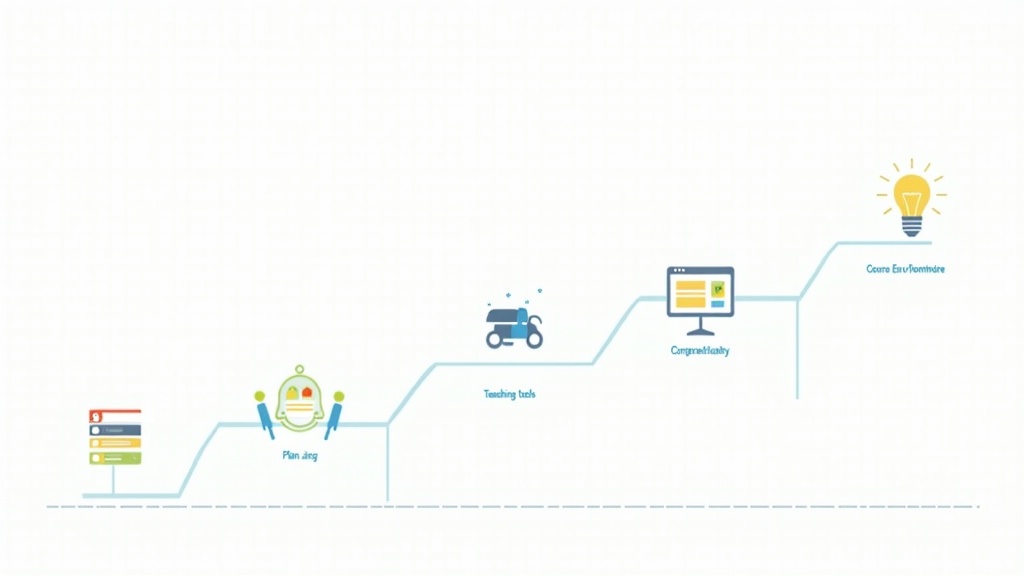
Whether you’re just getting started or looking to mix in some variety with new income streams, these strategies can help you turn your training business into a much more reliable source of passive and active income. We’ll break it down step by step so you can track down which tactics fit best for your goals.


1. Sell Courses Directly to Individuals

Offering your own online courses is the main revenue stream for most training businesses. You create training materials such as videos, PDFs, quizzes, and downloads and then sell access to them on your own website or through a learning platform. This is the bread and butter of online education. You can charge a one-time fee for course access or set up a payment plan for larger, premium courses that last several weeks or months. Some trainers build minicourses for a lower price, while others put together premium programs with coaching or community support included.

Key Tips:

  • Choose a clear outcome. Spell out what your audience will gain by the end of the course so expectations are clear.
  • Offer different pricing tiers. Include options like basic, premium, and VIP packages to suit different budgets.
  • Use testimonials. Student success stories and reviews help future students trust that your course delivers results.

Popular platforms to host courses are Teachable, Thinkific, and Kajabi. Selling directly keeps you in control and gives you the best profit margins when compared to using a third-party marketplace. Adding features like quizzes, feedback forms, or supplementary materials can give a boost to the perceived value of your course and support your students’ learning more effectively.


2. Launch a Membership or Subscription Program

If you want more stable income over time, launching a membership is a great move. People pay a monthly or yearly fee to access exclusive training materials, live calls, group discussions, or private forums. Memberships are perfect if you have a steady flow of new content, regular updates, or ongoing coaching to offer. I’ve seen trainers succeed by offering things like weekly Q&A sessions, membersonly webinars, or downloadable resources that update each month. The key is to create real value so members feel like they’re getting much more than they’d get from just buying a single course.

Start your Online Business

Ideas for Membership Perks:

  • Access to a growing library of exclusive content and tools
  • Regular live events or office hours for direct Q&A
  • Community forums or mastermind groups for ongoing peer support
  • Early access to new courses or beta programs

Many trainers use a hybrid approach, offering standalone courses for a one-time fee and inviting their best students to join a membership for continuous value. Platforms like Patreon, Podia, and Mighty Networks are worth checking out if you want to offer recurring subscriptions with little tech hassle. Building a friendly, userfriendly community can also raise student engagement and retention, making your business more sustainable.


3. Corporate Training and B2B Licensing

Businesses are always on the hunt for highquality training for their teams, so selling course access to organizations instead of just individuals can be a gamechanger. Corporate clients often pay much higher fees for well-made, relevant training, especially if it helps their employees upskill or meet compliance requirements.

How B2B Licensing Works:

  • Package your training as a bundle or curriculum for companies.
  • Offer bulk licenses for teams, often with a per user or sitewide price.
  • Customize content or add certificates of completion for extra value.

Building relationships with corporate buyers usually means a longer sales cycle, but each deal is more profitable. Make a dedicated landing page for business clients, laying out topics, learning outcomes, and pricing for teams. Tools like TalentLMS and LearnWorlds offer features designed for corporate training and bulk licensing. Consider adding analytics dashboards for business clients to track their team’s progress. This type of transparency adds professionalism and can help close bigger deals.


4. Host Paid Virtual Workshops and Live Events

Live online workshops, bootcamps, and virtual events offer another opportunity to turn your expertise into income. These events give students a chance to connect with you directly, work through challenges together in real time, and ask questions as they go. They’re a good fit if you want an interactive, supportive vibe. You can charge per ticket or bundle workshop access with your course or membership. Workshops often help students get to know you and can lead to enrolling in your higher-ticket offerings like premium courses or full coaching programs. Plus, you can record your sessions and sell the replays to create future passive income.

Popular Workshop Ideas:

  • Focused sessions on specific skills such as marketing strategies or productivity hacks
  • Bootcamps that help students tackle a challenge with daily or weekly milestones
  • “Open office” hours for coaching, feedback, or troubleshooting common challenges

Platforms like Zoom or Crowdcast make it easy to run workshops online and handle payment and registration. Having a live element often brings people in who need accountability or extra encouragement to push through obstacles. Group interaction also helps foster a supportive learning environment and builds trust among your audience.


5. Affiliate Marketing and Partner Offers

Many online training businesses bring in extra revenue by recommending tools, books, or services that match their niche. When your students buy through your affiliate links, you get a commission—sometimes that’s a percentage of the sale, other times a flat fee. This can be passive income that adds up quickly, especially as your audience grows. Affiliate income has the added bonus of not taking extra time to create new content, since you’re just recommending things you already use and like.

Tips for Affiliate Success:

  • Only recommend products or services you truly use and trust to keep your audience’s confidence.
  • Create resource guides or extra modules inside your courses to introduce these tools in a way that feels natural.
  • Always disclose your affiliate relationships so students know when you’re earning a commission.

Popular affiliate programs for training businesses include software tools (like learning management systems), professional memberships, or even physical products that fit your courses. Always try the products yourself before recommending them, so your advice is authentic and useful.


Expanding Your Revenue: Bonus Tips for Training Businesses

Once you’ve set up a few steady revenue streams, there are even more ways to keep your business growing. Consider building certification programs for extra credibility, working with other trainers for joint ventures, or licensing your content to schools and nonprofits. Staying in touch with your audience through regular updates, surveys, or sharing valuable free resources encourages them to invest in your paid offers down the line. If you focus on nurturing these relationships, people are more likely to stick around and refer others too.

Great marketing is key for standing out in the crowded online training world. Try strategies like email newsletters, regular social posts, and writing helpful blog content that tackles real problems for your audience. Well-designed landing pages and smooth checkout processes can give a boost to conversions for all your revenue streams. Don’t forget to ask students for feedback to help you improve; acting on their suggestions shows you care about delivering value.


Final Thoughts

Making money from your online training business isn’t just about selling videos. It’s about building lasting relationships and always looking for new ways to bring your best to students. Each of these strategies moves you closer to consistent, reliable income, while helping your learners get better results every step of the way. Which approach will you try next to set your business up for success?

Structuring, Pricing & Marketing Your Online Courses


Introduction

In today’s digital economy, online courses and training programs are booming. From solo entrepreneurs to large institutions, everyone is leveraging e-learning to teach, train, and inspire. But creating a course is only half the battle. To succeed, course creators need three essential ingredients: well-structured lessons, effective pricing strategies, and smart marketing.

This guide will show you exactly how to design lessons that engage learners, price your training for maximum value, and market your program so it reaches the right audience.


1. Structuring Lessons for Maximum Impact

Define Clear Learning Objectives

Every great course begins with clarity. Learners need to know what they will achieve by the end. Start with outcome-based goals like:

  • “By the end of this module, learners will be able to…”
    This gives direction and builds trust with your students.

Break Content Into Modules

Instead of overwhelming learners with long videos or heavy text, break lessons into bite-sized modules. Ideally:

  • 5–15 minutes per video
  • Logical progression (beginner → intermediate → advanced)
  • Summaries and quick recaps at the end of each lesson

Balance Theory and Practice

Students learn best by doing. Blend:

  • Short lectures
  • Quizzes and assessments
  • Case studies and real-world examples
  • Assignments or projects to apply skills

Use Engaging Formats

  • Video + slides + text transcripts
  • Interactive polls, gamification, and discussion boards
  • Live Q&A sessions or office hours

Add Supplementary Resources

Boost learning with:

  • Downloadable workbooks
  • Templates or cheat sheets
  • Reading lists or external resource links

Pilot and Refine

Before launching widely, test your course with a small group. Gather feedback and adjust structure, pacing, and clarity.


2. Pricing Strategies That Work

Research the Market

Pricing should never be guesswork. Benchmark against similar courses in your niche. Consider:

  • Course length
  • Instructor credibility
  • Certification offered
  • Target audience budget

Choose a Pricing Model

  1. One-Time Payment
    • Most common.
    • Works well on platforms like Udemy or Skillshare.
  2. Subscription/Membership
    • Recurring monthly revenue.
    • Great for communities or creators with multiple courses.
    • Platforms like Teachable, Kajabi, and Thinkific support this model.
  3. Tiered Pricing
    • Offer 2–3 levels:
      • Basic (course only)
      • Premium (course + resources)
      • VIP (course + coaching + community access)

Offer Discounts and Incentives

  • Early-bird pricing: Reward students who join before launch.
  • Bundles: Package multiple courses together at a discount.
  • Limited-time promotions: Create urgency.

Balance Accessibility and Profitability

  • Too low → undervalues your content.
  • Too high → creates a barrier unless you’re established.
  • Sweet spot = competitive yet profitable.

3. Marketing Your Training Program

Build a Pre-Launch Strategy

Start building buzz before the course is ready:

  • Collect emails with a free resource (lead magnet).
  • Share sneak peeks and “behind the scenes” updates.
  • Run a waitlist campaign.

Leverage Content Marketing

Position yourself as an authority by sharing free value:

  • Blog posts (SEO traffic).
  • Podcasts and interviews.
  • YouTube videos offering tips from your niche.

Use Social Media Effectively

Choose platforms based on your audience:

  • Instagram & TikTok – Quick, visual tips for younger learners.
  • LinkedIn – Best for professionals and B2B courses.
  • Facebook Groups – Build engaged learning communities.

Partner with Affiliates & Influencers

Recruit affiliates to promote your program in exchange for a commission. Use tools like SliceWP, Pretty Links, or ThirstyAffiliates to manage links.

Use Paid Ads Wisely

  • Start small: test Facebook or Google ads.
  • Target warm leads (retarget website visitors).
  • Use testimonials or case studies in ad creatives.

Collect and Showcase Testimonials

Social proof drives conversions. Ask students to share:

  • Short video testimonials
  • Reviews for your landing page
  • Success stories you can highlight in case studies

4. Case Study Example

Imagine Sarah, an English teacher who turned her grammar workshops into an online course.

  • Lesson Structure: She broke her program into 10 modules with quizzes and assignments.
  • Pricing Strategy: Offered a $99 one-time fee or $20/month subscription.
  • Marketing: Pre-launched with a free eBook, ran ads to her email list, and partnered with two influencers.

Result? Sarah enrolled 500+ students in her first three months.


5. Step-by-Step Action Plan

  1. Plan Your Course Content
    • Write down your outcomes and modules.
  2. Decide on Your Pricing Model
    • Start with one-time payment, then add tiers or subscriptions.
  3. Build Marketing Foundations
    • Create a landing page with sales copy and visuals.
    • Set up an email list for pre-launch.
  4. Launch With Confidence
    • Offer early-bird deals.
    • Collect testimonials right away.
  5. Scale With Systems
    • Use affiliates, partnerships, and ads.
    • Expand to new platforms.

6. Recommended Platforms for Course Creators

  • Teachable – Great for building and selling courses.
  • Thinkific – Customizable and scalable for serious course creators.
  • Kajabi – All-in-one platform with marketing automation.
  • Udemy – Large audience but less pricing control.
  • Skillshare – Subscription-based with great exposure.

(Insert affiliate links where possible here.)


Conclusion

Creating an online course isn’t just about knowledge—it’s about how you structure it, how you price it, and how you market it. With engaging lessons, smart pricing models, and effective marketing, you can turn your expertise into a profitable and impactful training program.

Online Course Development Steps

Illustration of an online course development process with icons representing planning, content creation, delivery, and evaluation.Creating an online course can seem overwhelming at first, especially if it’s your first time. I’ve gone through this process a few times now, and each step truly plays a big part in making your course helpful, engaging, and easy for learners to follow. Whether you’re sharing industry knowledge, teaching a creative skill, or training a remote team, having a clear plan helps everything flow smoothly from idea to launch.

Many people jump right into building slides or recording videos before deciding on what they want learners to achieve or thinking through the structure. Taking time to plan and do research pays off big time. You’ll feel more confident that your content meets real needs, and your learners won’t end up lost or confused.

Here’s a practical, step-by-step guide for building an online course that’s effective, engaging, and ready to help your audience learn and grow.


Step 1: Clarify Your Course Goal and Audience

Before you start creating lessons or gathering resources, it’s super important to know exactly what your course aims to accomplish. Understanding who it’s for helps you make every decision with your learners in mind.

Key Questions to Help Define Your Vision:

  • What specific skill, outcome, or transformation will learners get from this course?
  • Who is your course designed for (age, experience level, interests)?
  • What problem are you helping your audience solve?
  • Are there any prerequisites or knowledge your students should have before starting?

Examples of Course Goals:

  • Teach beginners how to create and edit digital photos using free tools
  • Help business owners write simple, effective email marketing campaigns
  • Train remote employees on compliance or safety topics

Having a clear goal makes it much easier to organize the rest of the course and show potential students its value.


Step 2: Research and Outline Your Content

Once I’m clear on the goal and audience, I spend extra time researching what’s most important to cover. This might mean seeing what’s already out there, chatting with potential learners, or running a quick survey to check what people want most. Sometimes, even just reading through discussion threads or online reviews can help you understand what your audience is looking for in a course.

Building Your Outline:

  • List the main topics or skills the course should include
  • Break each topic into smaller, easy-to-follow lessons or modules
  • Arrange the order so concepts build logically, with each lesson setting up the next

Pro Tip:

I like to map my outline on paper—old school sticky notes on a wall work great, or use a digital tool if you prefer. This makes it easy to rearrange topics, spot gaps in content, and keep your structure clear.

Your finished outline acts like a roadmap, keeping you on track and making sure nothing important gets left out. You can make changes as you go, but a strong outline right from the start is a huge timesaver.


Step 3: Choose the Right Tools and Platforms

Choosing where and how to host your course is a pretty big decision. Think about what’s best for you and your audience. Some popular platforms like Teachable, Thinkific, or Kajabi are ready made for course creators, taking care of video hosting, payments, and student management. If you prefer more control, WordPress with a learning plugin can also be a good option. There are even open source platforms if you’re tech savvy and want maximum flexibility.

What to Look for in Online Course Tools:

  • Easy uploading and organization of lessons
  • Support for multiple content types (videos, PDFs, quizzes, audio, etc.)
  • Userfriendly navigation for learners
  • Ability to track progress or manage assignments
  • Simple payment and enrollment setup if you plan to sell your course

If your budget is tight or you want to test your course on a small group first, Google Classroom or private groups on learning-friendly platforms like Slack or Discord work too. These might lack all the bells and whistles, but they make it easy to get started and collect feedback early.


Step 4: Create Engaging Course Content

With your outline set and a home for your course picked out, now you get to work on the lessons. Mix things up by presenting in a variety of formats to keep learners interested. I like to use short video lessons, written guides, infographics, checklists, and the occasional quiz or conversation starter. Even audio recordings or informal screencasts can be super engaging!

Tips for Making Awesome Content:

  • Keep videos brief—five to ten minutes usually works best
  • Write clearly and simply, steering clear of jargon unless your audience is used to it
  • Include visuals, screenshots, or diagrams to walk learners through tough ideas
  • Break complex topics into bite-size steps or mini lessons
  • Share real-world examples and practical exercises as much as possible

Don’t stress about having everything look MTV-ready from the start. Focus on being helpful, offering clear explanations, and building out your lessons as you go. Feedback from early testers will show you what needs a tweak or more explanation.


Step 5: Plan Assessments and Interaction

Testing if learners are “getting it” isn’t just about giving quizzes or exams. Mixing in low-pressure knowledge checks or hands-on challenges gives learners quick wins and a sense of accomplishment. This keeps them involved and feeling good about their progress.

Some Practical Ways to Assess and Encourage Interaction:

  • Short quizzes at the end of each module
  • Downloadable workbooks or skill-building tasks
  • Prompting learners to share reflections or projects in a discussion forum
  • Running live Q&A sessions if your platform allows

Interactive features are really important; students are way more likely to finish a course and enjoy the experience if they’re involved, rather than just watching content. Even discussion boards or simple assignment uploads help learners feel connected and motivated.


Step 6: Launch Your Course & Gather Feedback

When your core material is ready, invite a few friends or members of your target audience to try it first. This small test run helps you spot confusing instructions, broken links, or other small hitches before going public with your course.

Ideas for a Successful Launch:

  • Ask colleagues or people in your target audience to beta test
  • Collect genuine feedback through a quick survey or over email
  • Make changes and fix any issues right away based on that input
  • Once you’re happy, put your course out there with a clear announcement—email, social media, and your website are all good options

Keep inviting feedback even after launch, and be ready to update or add clarification to your course content as your audience grows and changes. Continual improvement is key; some of the best courses evolve over time based on student suggestions and new developments in your subject area.


Common Questions & Troubleshooting

How do I know if my course idea is worth building?

I always suggest checking in with real people who fit your target audience. Join related forums, run a simple poll, or pay attention to popular questions about your topic. If you find ongoing demand or repeated requests for guidance, it’s probably a good bet to build your course!

I don’t have fancy video gear—what should I do?

You can absolutely use a smartphone or your computer’s webcam if you have access to natural light. Free tools like Loom or OBS Studio let you easily record your screen. Good audio and a quiet space matter more than an expensive camera for getting your message across.

What if students get stuck or stop participating?

Set up regular check-ins or reach out with encouraging emails. Including a “quick-win” lesson at the beginning can quickly boost motivation. Setting up a spot for your students to connect or swap tips pumps up course completion and makes learning feel more collaborative.


Next Steps for Course Creators

Following a step-by-step process turns course creation from a guessing game into a smooth, organized project. Each phase gives you a chance to make improvements and grow your confidence as a teacher. The real magic comes when you share your knowledge in a way that’s easy for your audience to pick up and use.

Quick Action Plan:

  1. Write out your course goal and the learners you most want to help
  2. Sketch a draft outline with your major topics and modules
  3. Pick a small lesson idea and try writing or recording it this week—share it with a friend for feedback

The sooner you start, the faster your online course idea will take shape. If you’ve built a course before, what step made the biggest difference for you? I’d love to hear your experience below!

Tips For Designing Effective Niche Training Curriculums

Training curriculum planning visualDesigning a niche training curriculum can feel overwhelming at first. I’ve found that crafting a program for a highly targeted group comes with its own set of challenges, but it’s also really rewarding. When I design content that meets a specific need, participants are more involved and the results are noticeable. The trick is knowing what details to focus on and how deeply to check them out.


When I started working on training programs for small, specialized audiences, I quickly realized that copying broad, onesizefitsall templates doesn’t work. I needed an approach that’s practical, flexible, and detail oriented. If you want to create a training curriculum that actually helps your learners, understanding their needs and the outcomes you want to drive is the first step.

This guide shares my best tips for designing effective niche training curriculums, whether you’re building your first program for a specialized business team, a hobby group, or an advanced professional audience. Let’s get into the stepbystep approach and cover some strategies that have proven useful for engaging and motivating niche learners.


Understand Your Audience and Their Goals

Before I get started on any curriculum, I spend extra time researching my audience. This goes beyond knowing their job titles or basic demographics. I try to answer questions like: What do they already know? What are their main challenges? What motivates them? For a niche group, these details can vary a lot. Gaining these insights helps me avoid the mistake of being too generic or missing what really matters.

Key Questions to Pinpoint Your Audience’s Needs:

  • What problem am I solving for this group?
  • How much experience do participants already have?
  • Are there any terms, tools, or skills that are completely new to them?
  • What format fits their learning style best? (selfpaced, live, hands on, etc.)

Getting clear answers here helps me spot which topics deserve extra attention and which ones can be skipped. I usually talk directly to potential learners or to people who know them well, like managers or community organizers. I’ve even shadowed learners during their day to check out their workflows or pain points.

Audience Example:

  • If I’m creating a curriculum for digital marketing in the real estate sector, the content will look very different than a general digital marketing course. I’ll shine a light on platforms and strategies used by real estate agents and skip areas that don’t apply to property sales.

Set Clear, Actionable Learning Objectives

Every effective curriculum starts with clear objectives. I like to focus on what participants should be able to do by the end of the course, not just what they should know. For a niche group, these goals have to be both specific and realistic for the learners’ actual environment.

How to Create Good Learning Objectives:

  • Use clear, active language (“trace network issues using protocol X” instead of “understand network troubleshooting”).
  • Describe a visible skill or behavior rather than vague knowledge.
  • Limit the objectives to a manageable number, ideally three to five main takeaways for most short curriculums.

When writing these objectives, I keep them posted where I can see them as I structure the course. This helps me stay focused and avoid including filler content that doesn’t provide real improvement. Sometimes, if my objectives feel a little hazy, I rephrase them or show them to a colleague for feedback. Doing this upfront saves a ton of time in the long run.


Map Out the Course Structure

I organize my curriculum with a clear flow. This usually means breaking it into modules or sessions, each one building on what came before. A logical order is crucial because if the sequence doesn’t make sense, learners can get confused and frustrated.

My StepbyStep Process:

  1. List the topics and skills your audience needs.
  2. Order them from simple to advanced, making sure each part prepares them for the next.
  3. Decide the format for each module (lecture, group work, project, discussion, etc.).
  4. Add assessments or checkpoints to review progress and understanding.

For niche programs, I keep the structure flexible and leave room to mix things up if needed. If something isn’t working, I try a different approach or adjust the sequence based on feedback. I’ve had to rework entire modules after the first trial when I noticed learners needed more practice before moving forward.


Include Practical, RealWorld Examples

In my experience, nothing helps learners more than seeing how a skill or concept works in real life. For any niche curriculum, I bring in stories, sample problems, or hands on activities that match what participants will actually face. This relevance is especially motivating for groups who may have felt overlooked in traditional training setups.

Ways I Make Content Practical:

  • Walk through true to life case studies.
  • Build scenarios based on actual challenges.
  • Create miniprojects that use real data or tools.
  • Invite guest speakers with relevant experience.

Participants remember lessons much more vividly when they can put ideas into practice right away. In one technical training I designed, switching from lectures to more casestudy discussions doubled how many people finished the course and passed the assessment. Real world learning is what brings information to life and sticks over time.


Balance Depth With Brevity

One struggle I face with niche topics is deciding how deep to go. I want to cover all details that matter, but I also don’t want to overwhelm people with too much info. I use frequent checkins and feedback to know if I’m moving too quickly or spending too long on one idea. It’s a balancing act.

How I Keep Content Balanced:

  • Start with the basics and quickly move into deeper details as learners show they’re ready.
  • Offer optional resources for extra content without making it required for everyone.
  • Check in regularly with short quizzes or Q&A sessions to smooth out any confusion.

This approach builds a strong foundation for everyone, while also making sure advanced participants get value from their time. When in doubt, I’d rather provide support materials as links or handouts, so no one feels left behind or overloaded.


Test, Gather Feedback, and Improve

After delivering any curriculum for the first time, I collect feedback as soon as possible. I ask participants what worked, where they wish they had more guidance, and what didn’t feel relevant. I use surveys, quick interviews, or even casual conversations after class to catch honest opinions.

Key Feedback Areas:

  • Clarity of instructions
  • Usefulness of examples and activities
  • Pace of the session
  • Overall confidence in applying learned skills

This feedback loop always leads to small, or sometimes major, changes for the next version. My best training programs have gone through several upgrades, each one smoother to deliver and more valuable for participants. I often keep a “lessons learned” log to make sure I don’t miss good ideas.


Common Questions & Troubleshooting

What if my learners have very different skill levels?

I often deal with mixed groups. My solution is to build optional challenges for advanced learners and provide extra support materials for beginners. Group discussions help everyone learn from different perspectives and create a feeling of community.

How much detail should I include?

I focus on what participants will actually use in their context. Anything extra can be offered as a bonus. If I’m not sure, I check in with a test group for their opinions before finalizing the curriculum. Occasionally, I also revisit this during the course based on real time reactions.

What if live delivery isn’t possible?

  • Use prerecorded videos or written lessons with interactive components like quizzes or assignments.
  • Set up online forums or regular Q&A calls for support and checkins.

Blended learning methods work too. The key is to adapt your materials so everyone feels supported and can progress at their own pace.


Practical Steps for Building Your Curriculum

After years of designing training programs for niche teams and communities, I rely on a straightforward action plan that grows with each project:

  1. Get to know your learners and their real needs through honest conversations and research.
  2. Define what you want them to achieve, and make the goals as specific as possible.
  3. Break the content into clear, manageable sections or modules that build on each other.
  4. Use practical activities, real examples, and regular checkins to keep learners engaged.
  5. Test, ask for feedback, and keep improving the course with each new group.

When I stick to these steps, both I and my learners see better results with more engagement and practical skills that actually stick. If you’re building your own niche curriculum, starting small and making it personal to your audience’s needs can make all the difference. There’s no right way for every situation; focus on flexibility and constant improvement. Taking the time to shape your training for your unique audience sets everyone up for success. Wrapping up, building a niche curriculum is as much about learning from your learners as it is about teaching them—so keep listening, adapting, and celebrating your progress along the way!

Choosing The Right Niche Training Program For Your Goals

training program choices

Training programs can play a big role in how I grow both personally and professionally. Picking a program that really fits my needs means I’m more likely to stay motivated, learn what I need, and actually use those skills down the road. With so many specialty or niche training options available, narrowing my choices can feel overwhelming. But by focusing on my own goals, my current skills, and the qualities that actually matter in a program, I can set myself up for long-term growth and success. Taking time to reflect on these key aspects ensures that my investment in learning pays off in practical, measurable ways.


Get Clear on What You Want to Achieve

Before anything else, I find it really important to define my goals. Am I looking to move up in my job, switch careers, build a business, or just learn something new for myself? Knowing the main reason behind my decision helps me filter out options that don’t really match what I want. Having clarity at this first stage is crucial for making choices that have a real impact.

Short-term goals could be something like earning a certificate to boost my resume. Long-term goals might mean shifting to a new industry or starting my own company. For example, if I’m a teacher wanting to use technology better in the classroom, EdTech training fits well. On the other hand, if my goal is to launch an online store, I’ll get more from a digital marketing or ecommerce program. Being honest with myself about priorities right now makes the path ahead a lot smoother.


Look at Your Current Skills and Identify Gaps

Understanding where I stand right now helps me choose training that fills real gaps, not just repeats what I already know. Sometimes, it’s easy to overestimate my strengths or ignore weak spots. I like to use self-assessment tools or ask colleagues for feedback to figure out exactly where I could improve. Checking in with mentors or reading job descriptions for my dream role can also point out hidden skill gaps.

This approach works for all kinds of careers. If I work in finance but lack digital skills, training in data analytics or Excel makes sense. As an entrepreneur, maybe I feel confident in sales but want to get stronger with leadership or management. Matching programs to these real gaps helps me get the most value for my time and money instead of just ticking a box.


Explore What’s Out There: Types of Niche Training Programs

The range of training options keeps spreading like wildfire. I can find programs that are super specific to an industry, focus just on soft skills, or teach tech skills that everyone’s talking about right now. Here are some main categories I usually come across:

  • Industry Specific: Healthcare, education, IT, finance, and more.
  • Soft Skills: Communication, leadership, public speaking, customer service.
  • Digital Skills: Data analytics, AI, digital marketing, coding, basic IT tools.

Popular platforms make it easy to sort through these options. I often check sites like Coursera, Udemy, and LinkedIn Learning for their broad course libraries. For industry accredited training, organizations like PMI for project management or AHIMA for healthcare offer recognized programs that can boost credibility in a specific field. There’s always something new to check out, from AI basics to customer support hacks.


Check the Quality and Trustworthiness of Programs

Not all training programs are created equal. I pay close attention to who’s running the course, whether it’s backed by a respected organization, and if previous learners felt it was worth their time. Here’s how I usually size up a program:

  • Accreditation: Is the course recognized by professional groups or industry leaders?
  • Instructor Credentials: What’s the background of those teaching the course?
  • Reviews and Success Stories: Are there clear testimonials or transparent feedback from past students?
  • Value of Certificate: Does earning this certificate actually help in my field or boost my profile on LinkedIn?

Taking a careful look at these factors helps me avoid wasting time or money on programs that don’t deliver useful or credible learning. Double-checking the source before signing up is always worth the extra effort.


Consider How You Learn Best

Every program is built differently. Some are all video, some are text based or hands-on, and many have a blend. I know I learn best when material is presented in a practical way, and I get to put what I’m learning into real situations. If a course is heavy on group projects and I prefer solo work, it might not be a natural fit for me.

I also look for flexibility features, like self paced lessons if I have a busy schedule. Accessibility features, such as language support, time zone options, or easy access on mobile, also matter. When a program matches my learning preferences, I’m much more likely to stick with it and finish strong.


Balance the Cost Against the Benefits

Cost is always a factor, and pricing for niche training can range from free to thousands of dollars. I think about the return I might get; whether that’s a new job, a raise, or new business opportunities—and only spend what feels reasonable for those results. There are lots of affordable or even free courses, especially for foundational knowledge. If a higher priced program includes personal coaching or recognized accreditation, the investment can make sense if it leads directly to higher earnings or better options down the road.

Sometimes, group discounts, employer sponsorships, or payment plans can help make higher quality learning more accessible. Comparing course outlines and value for money helps me avoid overspending for the same material I could find elsewhere for less.


Match Training to Actual Opportunities

The best training programs do more than just build skills. They can open doors to job opportunities, provide new contacts in my industry, and give me access to exclusive communities. I look for programs that include networking groups, online forums, or events where I can meet others with similar goals. I’ve seen people land jobs or freelance projects just from program referrals or connections made during group assignments.

Reading real stories or talking to alumni can help me judge if a program actually supports people in reaching their next step. This is why I sometimes read LinkedIn posts or check program completion stats to see what past students have done after training. Social proof and real-world outcomes speak louder than promises on a landing page.


Break Down the Selection Process in Simple Steps

  • Get clear on my goals and write them down.
  • List out a few programs that look like a good match for my industry or skill needs.
  • Check each program for credibility and honest reviews.
  • Match the delivery style to how I learn best.
  • Factor in the costs compared to what I hope to get out of it.
  • Pick one, sign up, and commit to finishing what I start.

Taking these steps makes the process manageable, instead of overwhelming. Keeping it simple and focused helps keep me on track from the start.


Start Moving Toward Your Goals Now

The right specialty training can really give my growth a boost and set me up for new possibilities. I don’t have to go big right away; starting with one focused course or a short program helps me see what works and gives me the confidence to invest more seriously later. There are plenty of solid platforms and communities to explore—whether I’m aiming at new tech, creative roles, or practical business skills, it all starts with one commitment. I encourage anyone who feels stuck to pick one promising program and take the first step today.


Share Your Experiences and Questions

If you want to ask anything about picking training or want to share your own stories about a recent program, please add your thoughts below. My hope is that by sharing, we help more people pick the right learning path and make smart decisions that lead to lasting growth. If you have tips, stories, or questions, now’s the time to speak up and help others get started too.

Top Benefits Of Niche Training For Career Advancement

Specialized training has become really helpful for anyone looking to move forward in their career. With so many industries becoming more focused and competitive, getting specialized skills makes a big difference. In this article, I’ll share why niche training can help you grow at work, break down the key advantages you can expect, and talk about some practical steps for using niche training in your own career adventure.

a detailed collection of books, digital gadgets, and training materials organized on a desk with an open laptop, notepad, and specialty equipment representing professional niche training

Why Niche Training Matters in Today’s Job Market

Niche training focuses on building deep expertise in a specific area. This approach stands out from general training because it targets detailed skills and knowledge usually in demand for certain roles or industries. With technology and job requirements changing quickly, employers now look for people who not only understand the basics but also have up-to-date specialized experience in the fields that matter most to them.

Based on my experience, focusing on niche skills can open doors that general training often cannot. For example, when I completed a certification in a lesser known digital marketing tool, I started receiving more job offers for specialized roles. These positions offered better pay and more responsibility, showing me firsthand how niche training paid off. Other professionals have shared similar stories about earning certifications in areas like cybersecurity, healthcare technology, or even project management in a specific industry.

When you commit to niche training, you signal to employers that you care about growth and that you have something unique to offer. This focused learning is especially useful as more industries automate basic tasks and rely on specialists for creative solutions. Niche expertise also lets you stay ahead as the demand for specialists spreads fast in the job market. If you can spot upcoming trends and invest in proper training, you’ll set yourself apart from generalists stuck in crowded fields.

Key Benefits of Niche Training for Career Growth

Niche training offers more than just additional knowledge. Here are several ways it can positively impact your career:

  • Increases Your Value in the Workplace: Managers and teams appreciate people who can handle tasks most others can’t. When I became the go to person for a new software platform at my last job, I found that both my team and other departments started relying on my input much more.
  • Opens Job Opportunities: Many hiring managers filter candidates by specific skills or certifications. Niche training can put your resume at the top of the list for specialized roles in industries like IT, finance, healthcare, or engineering.
  • Helps with Better Pay and Promotions: Those who hold specialized knowledge often receive higher salaries or get promoted sooner. Hiring statistics show that certified specialists commonly earn up to 25% more than their generalist counterparts, especially in high tech fields.
  • Boosts Confidence and Problem Solving Skills: Mastering important niche topics gave me the skills needed to tackle challenging projects on my own, making me more independent at work. This independence often impresses leadership.
  • Keeps Skills Up To Date: Niche fields require ongoing training to stay current. Regular learning ensures your talents remain useful, especially as new technologies or strategies develop.

You also gain the reputation of being someone who can step up in unusual situations, since niche knowledge often leads to creative solutions that aren’t obvious to generalists. The more you show your abilities, the more likely you are to be seen as a future leader in your organization.

How to Identify the Right Niche Training for Your Career

Picking the right specialization can feel daunting. Here’s what helped me decide which niche areas to pursue:

  • Identify Gaps in Your Industry: Look for areas where employers struggle to fill roles. Job boards and industry news often highlight indemand skills or certifications.
  • Make the Most of Your Strengths: I looked at tasks I enjoyed and consistently received praise on. Focusing on those subjects made learning feel much more rewarding and offered natural motivation.
  • Check Your Interests: Selecting a niche that matches your passion helps you stick with the training and keeps burnout away.
  • Consider Future Trends: Fields like cybersecurity, green energy, and analytics are growing fast. I always review career outlook reports (like those from the U.S. Bureau of Labor Statistics) before starting new training, so that my skills remain future proof.

Combining personal interests and career trends is the sweet spot. When I did this, I found learning easier and the outcomes more satisfying. For example, my interest in digital marketing and growing demand for analytics tools inspired me to get advanced training in Google Analytics, which opened extra roles at my company.

Challenges and How to Make Niche Training Work for You

Adopting a niche specialization can bring challenges, but knowing what to expect can help you tackle them:

  • Limited Training Resources: Sometimes, superspecialized fields don’t offer a lot of courses. I’ve found that professional groups, online communities, and industry conferences help fill those gaps. Connecting with others in your area is really important.
  • Time Commitment: Many certifications or advanced courses require focused time. I balance training by setting aside an hour a day for learning, keeping slow and steady progress instead of trying to rush everything at once.
  • Financial Cost: Courses or certifications can be pricey. Before enrolling, I always check if my employer can cover costs, or I look for free community resources and open online classes.
  • Keeping Up with Changes: Niche fields change quickly. I subscribe to email newsletters and podcasts in my field to keep learning even after finishing formal training. It’s also helpful to join online groups and forums, where professionals share updates and tips on the latest trends.

Making the Most of Niche Training

Applying your training at work is just as important as getting the certificate. I found that sharing new insights with my team, volunteering for special projects, or even writing a blog about what I learned helped solidify my reputation as a specialist. These actions can also encourage colleagues and managers to involve you in unique projects, raising your visibility in the organization. Remember, putting knowledge to work makes your skills stand out more than a certification ever could on its own.

Tips for Stepping Up Your Career with Niche Training

Once you’ve chosen a niche, these steps helped me expand my skills and keep moving forward:

Stay Active in Industry Groups: Networking with others who share your specialty gives you access to job leads, advice, and the latest techniques. Attending webinars or local meetups helps you hear about opportunities before they’re widely advertised.

Document Your Achievements: Adding certifications and training to your resume and professional online profiles gives your credibility a boost, and updates your digital presence in line with your new skills. Keeping a portfolio of projects or a blog can further highlight your realworld impact.

Seek Out Real World Practice: Volunteering or freelancing in your niche helped me apply what I learned while still in training, making the transition to advanced roles much smoother. Client projects and nonprofit work also help you meet new mentors and future collaborators.

Ask for Feedback: Turning to managers or trusted colleagues for regular feedback on how you use your new skills will keep you on track for continued growth. Honest feedback helps highlight your strengths and uncover areas to keep improving.

These simple steps kept me on top of my niche without becoming overwhelmed, and made continuous learning a natural part of my job. By working these habits into your routine, you’ll nearly always be a step ahead of those sticking only with general knowledge.

Common Career Areas Where Niche Training Shines

Many industries reward extra specialization. Here’s where I’ve seen niche training pay off the most:

  • Technology: Cloud computing, cybersecurity, and software development often require specialists who know the latest programming languages or tech stacks.
  • Healthcare: Medical coding, compliance, and health informatics training provide longterm stability and a path to leadership roles.
  • Green Energy: As energy markets switch up, training in things like solar panel installation or environmental compliance is highly respected.
  • Finance: Risk management and data analytics certifications often open doors to higher level positions with more responsibility.
  • Creative Fields: Professionals who master a specialty, such as 3D animation for games or niche writing styles, are in high demand for contract and inhouse roles.

Other fields, from supply chain management to education technology, also reward those with deep skills in specialized areas. Stumbling upon a new specialty that suits your interests and needs can give you a real edge in landing attractive positions.

Frequently Asked Questions

Here are some popular questions I hear about niche training for career growth:

Question: Is niche training only for technical roles?
Answer: Not at all. Niche skills are valuable everywhere, from project management and finance to design, writing, and marketing.


Question: How do I know a niche is right for me?
Answer: If you’re naturally interested in a subject and see growing demand in job listings and industry reports, it’s likely a good fit. Trust your instincts and use job search data to back up your decision.


Question: Can I get niche training online?
Answer: Absolutely. Many reputable platforms offer specialized courses at beginner and advanced levels. Make sure to check course reviews and accreditation before you enroll. Numerous bootcamps and online certificates are recognized by employers and can be completed at your pace.


Question: Will niche training limit my future options?
Answer: Niche expertise often opens more career doors, not fewer. Many people use a specialized skill as a launchpad for broader roles or leadership positions later on. With the fast changes in today’s workforce, being an expert in one area can quickly help you branch out or rise into new fields as your reputation grows.


Wrapping Up

Niche training goes beyond traditional learning by focusing on highly valuable specializations. This approach helps boost your value at work, puts you in line for new opportunities, and helps keep your career energized and current. My own experience shows that picking the right niche, putting in regular effort, and always updating your skills is a practical way to stand out in any field.

If you’re thinking about moving up in your career or want to become a specialist in a growing field, niche training is a smart way to make that happen. Starting with just one focused course or certification can set you on the right path to bigger opportunities and a more rewarding work life. Check out a few options today, connect with communities in your field, and try applying your skills as you learn—your next big career move may be closer than you think.