
Affiliate marketing has become a smart way to earn passive income, but most people new to the field underestimate how much easier things get with the right tools. I’ve spent years checking out different affiliate marketing platforms and software, and I can say that picking the best tools saves time, boosts income, and keeps things organized. This article is a practical guide to the affiliate marketing tools I find most useful for beginners and those looking to scale up quickly.
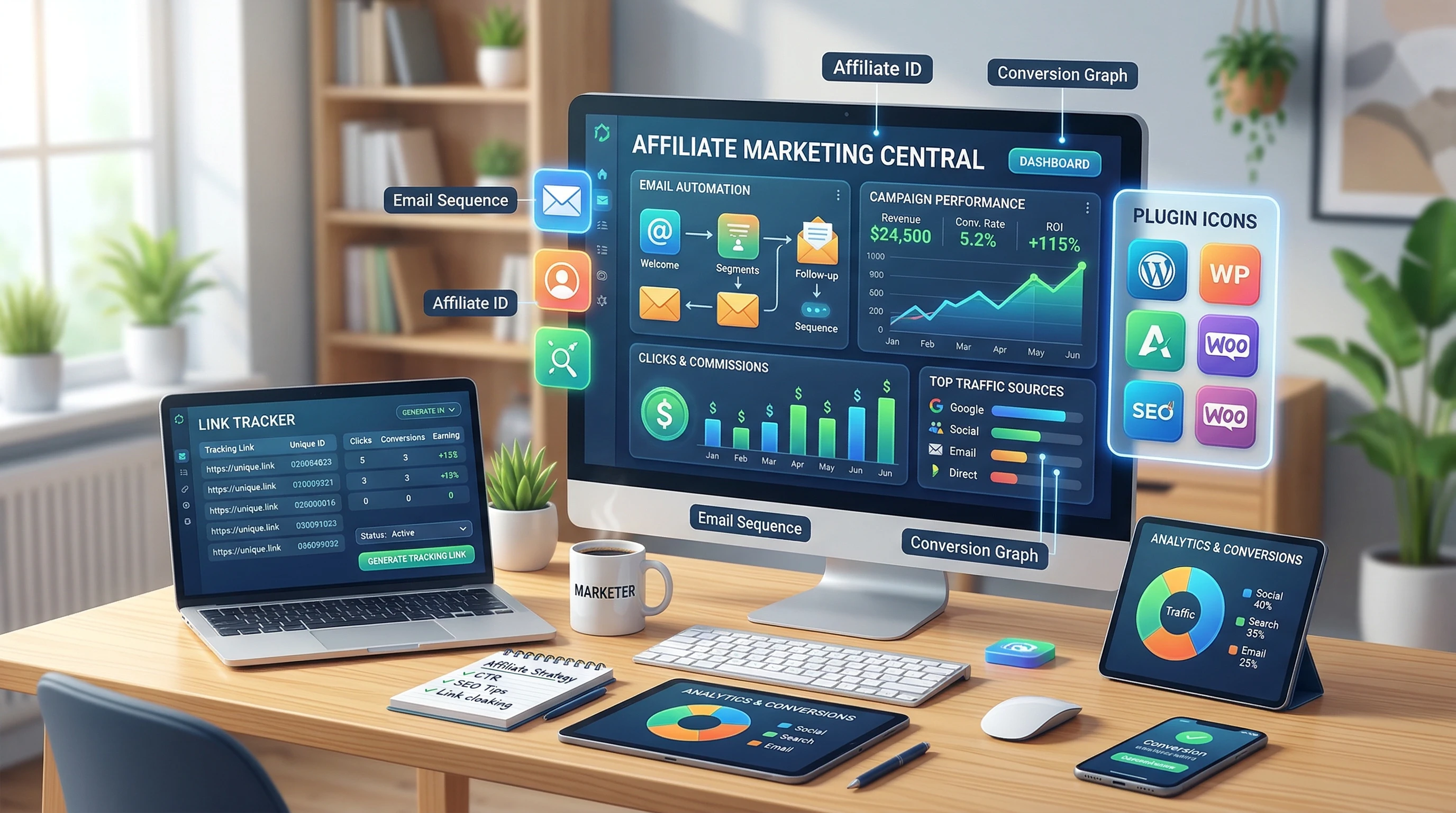
Why Affiliate Marketing Tools Matter
Affiliate marketing means earning a commission by promoting someone else’s product or service. While it may sound simple, success in this business depends on streamlining your workflow and making data-driven choices. The right tools automate repetitive tasks, track progress, and show where your efforts are working or need improvement. As more people join the affiliate marketing space, software solutions are changing to help you stay competitive, from traffic analytics to link management.
The affiliate marketing industry has grown rapidly, thanks to the rise in online shopping and digital content. According to Statista, affiliate marketing spending in the United States is projected to reach $8.2 billion by 2022, up from $5.4 billion in 2017. This growth means there are more products to promote and new tools to help you stand out, even if you’re just starting out. The landscape continues to adapt as technology moves forward and consumer habits evolve, making it important to keep your toolkit current.
Getting Started with Affiliate Marketing Tools
I recommend focusing first on basic tools that help you track links, manage content, and monitor performance. Many beginners get overwhelmed at first, but starting small is fine. Each step helps you build a strong foundation so you can scale up smoothly later.
- Affiliate Networks: These platforms connect you with brands and manage tracking and payments for commissions. Popular examples include ShareASale, CJ Affiliate, and Amazon Associates.
- Link Management: Tools like Pretty Links or ThirstyAffiliates help shorten, cloak, and organize affiliate links, while tracking how many clicks they receive.
- Analytics: Google Analytics and similar platforms show where your visitors are coming from, which pages they view, and which promotions work best.
It’s also helpful to look into basic content management systems, such as WordPress, which enable you to put together articles and reviews around affiliate offers. Website builders with easy templates help new affiliates quickly start publishing without needing coding skills. As your site grows, adding more advanced plugins can save you more time and provide even more detailed information on your campaigns.
Quick Guide: Setting Up Your Affiliate Marketing System
Here’s a clear path for getting started with affiliate marketing tools, based on what’s worked for me:
- Sign Up for an Affiliate Network: Pick one that matches your niche and start with a program that pays regularly.
- Organize Your Links: Use a link management tool to keep affiliate links tidy and track their clicks.
- Add Analytics: Integrate Google Analytics (or similar) on your site to understand your audience and track conversions.
- Automate Content Posting: Tools like Buffer or Hootsuite help auto-schedule social media posts, keeping your content active without taking up your whole day.
- Test and Optimize: Use split-testing tools like Google Optimize to compare different headlines, content, or calls-to-action and see which perform better.
Building up these basics helps create a workflow that fits your style and saves hours every month. As you get more comfortable, you can add more features and integrate additional tools.
Considerations Before Choosing Affiliate Tools
Selecting the right tools for affiliate marketing can feel overwhelming. I’ve found it really important to focus on ease of use, cost, support, and how well the tools fit into what I already use. Here are some things I look for:
- Ease of Setup: Beginnerfriendly interfaces and step-by-step guides save time and reduce stress.
- Pricing: Start with free plans, but keep an eye out for value when you’re ready to upgrade to paid versions.
- Features: Prioritize core needs first, like link tracking and reporting, before paying for extras you may not use at the start.
- Compatibility: Make sure software and plugins work with your website platform (such as WordPress, Wix, or Squarespace).
- Customer Support: Reliable help is really important, especially when you run into unexpected issues.
Link Management
Keeping affiliate links organized prevents confusion later. I use tools that let me create custom URLs, group links by product or campaign, and see which links get the most clicks. This makes it much easier to update expired links or mix up focus to higher-performing offers. A good link management system also helps you spot any broken links and fix them quickly, ensuring you don’t miss out on commissions due to simple mistakes.
Conversion Tracking
Understanding which content drives sales helps focus efforts on what works, instead of guessing. Conversion tracking tools, often integrated with affiliate networks or Google Analytics, show visitor journeys from first click to purchase. This feedback has allowed me to refine my strategies and step up earnings over time. When you can see the full customer path, it becomes much easier to test new campaigns and track down what’s truly bringing in results.
Page Load Speed
Slow websites drive potential buyers away. Tools like GTmetrix and Google PageSpeed Insights help me test website performance and tweak settings to keep things fast. Fast pages also score better with Google search, helping me attract more organic visitors. Paying attention to speed is essential, because every second your site takes to load can reduce the chance of making a sale.
Advanced Tools and Strategies
After you’re comfortable with the basics, there are more advanced tools and tactics that can help grow your profits and simplify more of your business. I’ve found these solutions valuable, especially once I started managing multiple affiliate programs:
- Email Marketing Platforms: Mailchimp, ConvertKit, and AWeber automate newsletters, course delivery, and promotions based on subscriber actions. Segmenting lists by interest boosts open and conversion rates.
- Competitive Research Tools: SEMrush and Ahrefs let you analyze which keywords, content, and links are working for your competitors, giving you inspiration for your own campaigns.
- A/B Testing: Tools like Optimizely and Google Optimize help you compare two versions of a page. This lets you try out new offers, headlines, layouts, or calls-to-action and quickly see what performs better.
- Website Builders and Landing Page Creators: Services such as Leadpages and Unbounce make it easy to launch custom landing pages that focus on a specific product or promotion. Tightly focused pages often convert better than general site pages.
- Affiliate Marketing Plugins: For WordPress users, plugins like AffiliateWP and Pretty Links Pro add options like automatic link cloaking, detailed reports, and even commission payout systems if you run your own program.
Some affiliate marketers branch into paid advertising using tools like Google Ads or Facebook Ads, which integrate well with analytics and landing page systems to create testable, scalable campaigns. If you choose to expand into advertising, remember to keep tracking expenses and returns closely to avoid overspending.
What Tools Mean for Real-World Results
Having the right toolkit directly impacts affiliate marketing results. For example, keeping links organized prevents losing track of which products are live and ensures you always earn commissions, even when URLs change. Accurate analytics help you avoid wasting time on low-performing campaigns, and better email automation builds lasting customer relationships, leading to recurring revenue.
- Blog Owners: Use affiliate link plugins and email marketing to send targeted offers after new posts go live.
- YouTubers: Rely on trackable, shortened links for video descriptions so you can see exactly which product mentions are driving revenue.
- Course Creators: Integrate affiliate links into course modules, then use analytics to see which lessons or bonuses get the most clicks.
If you operate in a niche with lots of competition, advanced tools can help you set your site apart by showing where to focus your efforts and automating many tasks that would take hours to handle manually.
FAQs About Affiliate Marketing Tools
I often receive questions from new affiliates about which tools to start with and how to avoid wasting money. Here are a few things I get asked most often:
Question: Which tool should I get first?
Answer: Begin with one affiliate network and a free link management plugin. As your site grows, add analytics and automation tools.
Question: Do I have to pay for good tools?
Answer: Many useful tools have free versions. Paid upgrades are helpful once you start making consistent commissions or need to save time managing bigger campaigns.
Question: Can affiliate marketing tools help me avoid mistakes?
Answer: Yes. Analytics and link management tools help spot broken links or offers that don’t perform, so you can address issues before missing out on earnings.
Building Your Affiliate Marketing Toolkit
Growing a successful affiliate marketing business means gradually building a toolkit that fits how you work. My experience has shown that the right mix of link management, tracking, analytics, automation, and research platforms simplifies the process and helps reach goals faster.
I always suggest starting small, keeping things simple, and then adding new tools when you feel ready. As you grow, continue to review what’s working for you and don’t be afraid to try new tools when your workflow needs a boost. Affiliate marketing changes fast, but with the best tools in place, you’re in a strong position to keep up and enjoy the rewards of your effort.